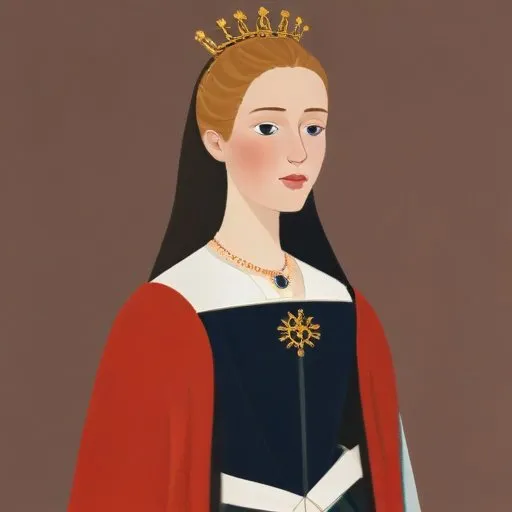
Ludwika Karolina Radziwi: The Forgotten Reformer of Lithuania
A Life of Prominence and Philanthropy
Ludwika Karolina Radziwi, a member of the esteemed Radziwi family, is renowned for her significant contributions to the cultural and educational landscape of Lithuania in the 17th century. As a prominent magnate and Princess of the Grand Duchy of Lithuania, she dedicated her life to promoting education, reform, and cultural development, earning her a revered place in the annals of Lithuanian history.
Early Life and Inheritance
Born on February 27, 1667, in Knigsberg, Duchy of Prussia, Ludwika Karolina was the last agnatic-line member of the Radziwi family, a prominent Calvinist dynasty in Lithuania. She inherited a vast fortune, including the duchies of Kdainiai and Birai, from her father, Prince Bogusaw Radziwi, and her mother, Anna Maria Radziwi. Her father's tumultuous role in the Swedish invasion of Poland, also known as The Deluge, led to their family's exile in Brandenburg-Prussia.
A Guardian of Lithuanian Culture
Ludwika Karolina's guardianship was entrusted to her father's cousin and future father-in-law,
Frederick William, Elector of Brandenburg. Despite residing primarily in Berlin and Knigsberg, she maintained a strong connection to her Lithuanian heritage and worked tirelessly to promote education and cultural development in the region. She continued her father's legacy by funding the printing of books in the Lithuanian language, further solidifying her commitment to preserving Lithuanian culture.
Philanthropic Endeavors
Throughout her life, Ludwika Karolina demonstrated a deep commitment to education and social welfare. She supported various initiatives aimed at promoting literacy and education among the Lithuanian population. Her efforts not only helped to spread knowledge but also contributed to the preservation of the Lithuanian language and cultural identity.
Legacy and Impact
Ludwika Karolina Radziwi's passing on March 25, 1695, in Brieg, marks the end of the Birai-Dubingiai Radziwi family line. Her legacy, however, continues to inspire generations, serving as a testament to her unwavering dedication to the betterment of Lithuania. Her contributions to education, culture, and philanthropy have left an indelible mark on the country's history, cementing her place as one of the most notable female figures of the Grand Duchy of Lithuania.
Personal Milestones and Key Life Events
- 1667: Born on February 27, in Knigsberg, Duchy of Prussia
- Inherited vast fortune, including duchies of Kdainiai and Birai, from her parents
- 1695: Passed away on March 25, in Brieg, marking the end of the Birai-Dubingiai Radziwi family line
Trivia and Fun Facts
- Ludwika Karolina was the last Radziwi to own Birai Castle and Dubingiai Castle with their lands.
- Her father, Prince Bogusaw Radziwi, played a significant role in the Swedish invasion of Poland.
By examining the life and achievements of Ludwika Karolina Radziwi, we gain insight into the complex and fascinating history of Lithuania during the 17th century. Her remarkable story serves as a tribute to the power of philanthropy, education, and cultural preservation, inspiring future generations to continue her legacy.
FAQ
Who was Ludwika Karolina Radziwiłł and what was her role in European politics?
Ludwika Karolina Radziwiłł was a Prussian-Lithuanian noblewoman who played a significant role in European politics, particularly in the complex web of alliances and rivalries between the Polish-Lithuanian Commonwealth and the Prussian monarchy.
What was Ludwika Karolina Radziwiłłs relationship with Charles III Philip, Elector Palatine?
Ludwika Karolina Radziwiłł was the wife of Charles III Philip, Elector Palatine, and she played a crucial role in shaping his policies and alliances.
What were Ludwika Karolina Radziwiłłs accomplishments in Prussia?
Ludwika Karolina Radziwiłł implemented several important reforms in Prussia, including the promotion of education and the arts, and the establishment of a more centralized administration.
How did Ludwika Karolina Radziwiłł die?
Ludwika Karolina Radziwiłł died in 1695, and the exact circumstances of her death are not well-documented.
What was Ludwika Karolina Radziwiłłs legacy in European history?
Ludwika Karolina Radziwiłłs legacy in European history is marked by her complex and often shifting alliances, as well as her efforts to modernize and strengthen Prussia.