


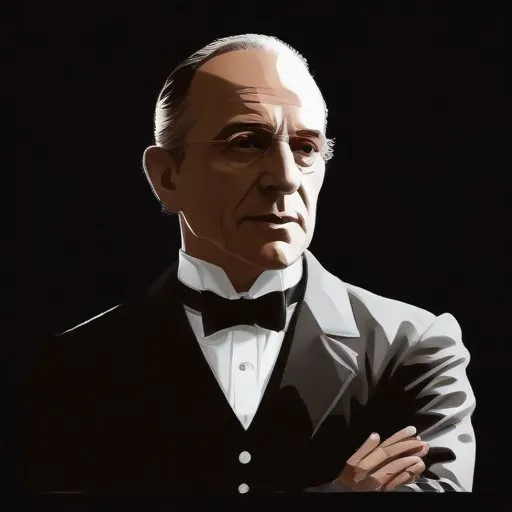
A renowned French conductor and composer, known for his interpretations of French opera and his work with the Orchestre National de France. He was also a prolific composer, creating numerous works for orchestra, ballet, and opera.
Manuel Rosenthal is undoubtedly best known for his magnificent orchestration of the popular ballet score Gat Parisienne, derived from the piano scores of Jacques Offenbach's operettas. This iconic work has become synonymous with the very essence of French music, and Rosenthal's masterful touch has been instrumental in its enduring popularity.
Born in Paris on June 18, 1904, to a Russian-Jewish mother and a French father, Rosenthal's early life was marked by turmoil and hardship. Following his stepfather's death in 1918, he was forced to support his mother and sisters by playing the violin in cafés and cinemas. This difficult period, however, did not deter him from pursuing his passion for music.
In 1920, Rosenthal entered the prestigious Conservatoire in Paris, where he studied violin under the guidance of Alterman and Jules Boucherit. Although he failed to win the coveted first prize, he continued to hone his skills, eventually studying composition and meeting influential composers such as Darius Milhaud and Arthur Honegger.
A chance encounter with Lo Sir, inventor of the dixtuor, led Rosenthal to explore the possibilities of this innovative instrument. He was persuaded to play the sursoprano, a variant of the violin pitched a fourth higher, and subsequently composed music for this new medium. This experience not only broadened his musical horizons but also brought him into contact with some of the most prominent composers of the time.
Rosenthal's Sonatine for two violins and piano, composed for a sight-reading examination, was met with critical acclaim after its performance at the Société Musicale Indépendante in Paris in 1924. This success led to his appointment as Maurice Ravel's third and final student, where he received guidance from the master himself.
Manuel Rosenthal's contributions to the world of music are undeniable. Through his work, he has inspired generations of musicians and music lovers alike. His dedication to his craft, his passion for innovation, and his commitment to preserving the rich cultural heritage of France have left an indelible mark on the musical landscape.
As we reflect on Rosenthal's remarkable life and career, we are reminded of the power of music to transcend time and borders, to inspire and uplift. His legacy serves as a testament to the enduring beauty and relevance of classical music, and we are forever grateful for the gift of his artistry.
Born in 1925
A renowned French musician who revolutionized classical music with his avant-garde compositions and innovative conducting style, pushing boundaries and redefining the genre.
Born in 1924
A renowned French conductor, known for his interpretations of classical music, particularly French repertoire, and his work with prominent orchestras.
Born in 1905
A renowned conductor and director, leading orchestras in Paris and Berlin, known for his interpretations of French and German repertoire. He was a prominent figure in the classical music world during the mid-20th century.
Born in 1899
A renowned violinist and conductor, leading the Philadelphia Orchestra for over 40 years, known for his technical precision and interpretations of Romantic-era composers.
Born in 1918
A renowned musician who blended jazz, classical, and Broadway styles, creating iconic works like West Side Story, and inspiring generations with his charismatic performances and innovative compositions.
Born in 1899
A French composer who wrote music for films, ballets, and orchestras, creating iconic scores for movies like "Roman Holiday" and "The Lavender Hill Mob".
Born in 1892
A French composer and educator who blended jazz and classical music to create a unique sound, and is best known for his ballet scores and chamber music compositions.
Born in 1886
A renowned French musician who excelled as an organist, composer, and conductor, leaving a lasting legacy in the classical music world. He's particularly famous for his interpretations of French Baroque music.
