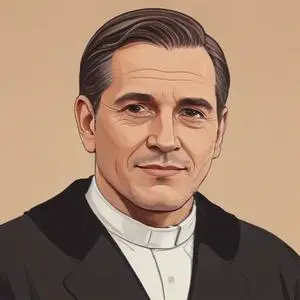
Martin Niemller: A Beacon of Courage in the Face of Oppression
A Legacy of Resistance
Martin Niemller, a German theologian and Lutheran pastor, is renowned for his unwavering opposition to the Nazi regime during the tumultuous 1930s. His powerful poem, "First They Came...", has become a timeless testament to the perils of apathy in the face of tyranny, resonating with generations worldwide.
Early Life and Nationalistic Ideals
Born on January 14, 1892, in Lippstadt, Westphalia, Niemller grew up in a conservative household, shaped by his father's Lutheran values. He was educated at the University of Münster, where he developed a strong sense of national pride and initially supported
Adolf Hitler's rise to power.
The Birth of Conscience
As Niemller witnessed the Nazis' increasing stranglehold on German Protestant churches, he underwent a profound transformation. He co-founded the Confessing Church, a movement that defied the Nazi regime's attempts to control religious institutions. This brave stance led to his imprisonment in Sachsenhausen and Dachau concentration camps from 1938 to 1945.
A Lesson in Regret
Upon his release, Niemller publicly expressed deep remorse for not having done more to aid the victims of Nazi atrocities. This acknowledgment of his past shortcomings marked a significant turning point in his life, as he dedicated himself to atoning for his earlier nationalistic beliefs.
Pacifism and Activism
In the post-war era, Niemller emerged as a vocal pacifist and anti-war activist. He played a key role in the Stuttgart Declaration of Guilt, a landmark statement acknowledging the German church's complicity in Nazi crimes. As vice-chair of War Resisters International from 1966 to 1972, Niemller met with notable figures, including
Ho Chi Minh, and championed nuclear disarmament.
Inspirational Quotes and Sayings
Niemller's poignant words continue to inspire generations:
- "When I came out of prison, I realized that the Christian world had betrayed its own faith."
- "The failure of the church to speak out against the evils of Nazism is a burden that the church will have to bear for a long time."
Historical Context and Legacy
Niemller's remarkable journey serves as a powerful reminder of the dangers of silence in the face of oppression. His story has inspired countless individuals to stand up against injustice, and his poem remains an enduring testament to the importance of speaking out against tyranny.
Comparative Analysis with Contemporaries
While Niemller's initial nationalistic leanings mirror those of
Martin Heidegger, his subsequent transformation and outspoken criticism of the Nazi regime set him apart from his contemporaries.
Personal Relationships and Anecdotes
Niemller's encounters with notable figures, including Ho Chi Minh, offer a glimpse into his tireless efforts to promote peace and reconciliation.
Impact on Modern Society
Niemller's courageous stand against the Nazi regime and his subsequent advocacy for peace and disarmament have left an indelible mark on modern society. His legacy serves as a beacon, inspiring individuals to confront injustice and fight for human dignity.
Philosophical Contributions and Beliefs
Niemller's evolved worldview emphasized the importance of individual responsibility, moral courage, and collective action in the face of oppression. His philosophical contributions continue to influence contemporary discussions on ethics, morality, and social justice.
Visual Timeline
- 1892: Born in Lippstadt, Westphalia
- 1900: Family moves to Elberfeld
- 1930s: Co-founds the Confessing Church
- 1938-1945: Imprisoned in Sachsenhausen and Dachau concentration camps
- 1946: Publishes "First They Came..." poem
- 1950s-1970s: Advocates for pacifism and nuclear disarmament
- 1984: Passes away on March 6
Trivia and Fun Facts
- Niemller was a talented sailor and spent time in the German Navy.
- He was awarded the Peace Prize of the German Book Trade in 1967.
Inspirational Stories and Motivations
Niemller's remarkable life serves as a testament to the power of personal transformation, moral courage, and the importance of speaking out against injustice. His story continues to inspire individuals to stand up for what is right, even in the face of overwhelming adversity.