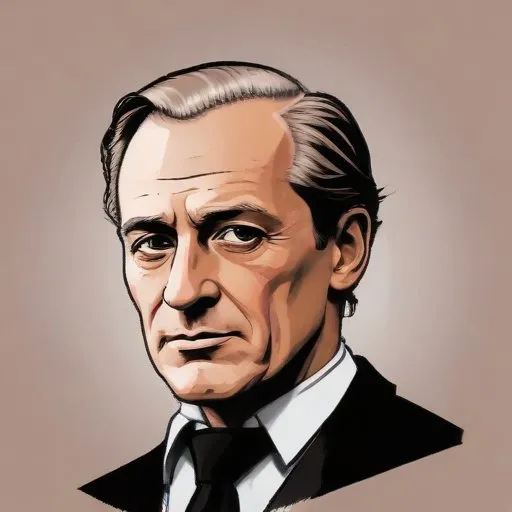
Max Erdmannsdrfer: The Illustrious Conductor and Pianist
A Maestro of Musical Expression
Max Erdmannsdrfer was a renowned German conductor, pianist, and composer, celebrated for his exceptional skill and artistic flair. He is best known for his association with some of the most prominent figures in music, including
Franz Liszt, Joachim Raff, and Pyotr Ilyich Tchaikovsky.
Early Life and Education
Born on June 14, 1848, in Nuremberg, Germany, Erdmannsdrfer received his musical education at the Leipzig Conservatory. This esteemed institution provided him with a solid foundation in music theory and performance, setting the stage for his future success.
Rise to Prominence
Erdmannsdrfer's talent and dedication earned him the position of concertmaster at Sondershausen, where he premiered Liszt's symphonic poem,
Hamlet, in 1876. This notable event marked the beginning of a long and fruitful collaboration with Liszt, who held Erdmannsdrfer in high esteem.
A Symphony of Relationships
Erdmannsdrfer's personal and professional relationships played a significant role in shaping his career. In 1874, he married Pauline Fichtner, a skilled pianist and composer, who was also a student of Liszt. Pauline later adopted the professional name Pauline Erdmannsdrfer-Fichtner. The couple's association with Raff led to Erdmannsdrfer completing the composer's unfinished Symphony No. 11, Op. 214, and having it published.
A Conductor of Distinction
Erdmannsdrfer's conducting career was marked by numerous premieres and performances of prominent works. In 1877, he premiered Sir
Alexander Mackenzie's overture,
Cervantes, at Sondershausen. His Moscow debut in 1882, as principal conductor of the Russian Musical Society concerts and professor at the Moscow Conservatory, solidified his reputation as a master of his craft.
Tchaikovsky's Testament
Erdmannsdrfer's collaboration with Tchaikovsky is a testament to his exceptional skill as a conductor. Tchaikovsky permitted Erdmannsdrfer to conduct the premiere performances of several of his works, including the revised version of
Symphony No. 1 and the
Festival Overture on the Danish National Anthem, both in Moscow.
Legacy and Impact
Erdmannsdrfer's contributions to the world of music are multifaceted and far-reaching. His dedication to promoting the works of prominent composers, as well as his own compositional efforts, have left an indelible mark on the musical landscape. As a conductor, pianist, and composer, Max Erdmannsdrfer's legacy continues to inspire and influence generations of musicians and music enthusiasts alike.
Timeline of Notable Events
- 1848: Born in Nuremberg, Germany
- 1874: Married Pauline Fichtner
- 1876: Premiered Liszt's Hamlet at Sondershausen
- 1877: Premiered Raff's Piano Quintet, Op. 107, and Mackenzie's Cervantes at Sondershausen
- 1882: Became principal conductor of the Russian Musical Society concerts and professor at the Moscow Conservatory
- 1883: Premiered Tchaikovsky's revised Symphony No. 1 in Moscow
- 1905: Passed away on February 14
Conclusion
Max Erdmannsdrfer's remarkable career, marked by his associations with the crème de la crème of the musical world, has left an indelible mark on the history of music. As a conductor, pianist, and composer, he navigated the complexities of his craft with ease, leaving behind a rich legacy that continues to inspire and enrich the lives of music lovers worldwide.
FAQ
What were Max Erdmannsdörfers contributions to music?
Max Erdmannsdörfer was a German conductor and composer who made significant contributions to the world of classical music. He was particularly known for his work in the field of choral music and was a champion of the works of Bach and Handel.
How did Max Erdmannsdörfers compositions reflect his musical style?
Max Erdmannsdörfers compositions reflected his deep understanding of classical music and his commitment to preserving the traditions of Bach and Handel. His works are characterized by their lyricism and expressiveness.
What was Max Erdmannsdörfers role in the development of German choral music?
Max Erdmannsdörfer played a key role in the development of German choral music, advocating for the importance of choral singing and promoting the works of German composers.
How did Max Erdmannsdörfers conducting style influence his performances?
Max Erdmannsdörfers conducting style was characterized by his attention to detail and his ability to bring out the best in his performers. He was known for his expressive and nuanced interpretations of classical music.
What is Max Erdmannsdörfers legacy in music?
Today, Max Erdmannsdörfer is remembered as a leading figure in the world of classical music, who made significant contributions to the development of German choral music and promoted the works of Bach and Handel.