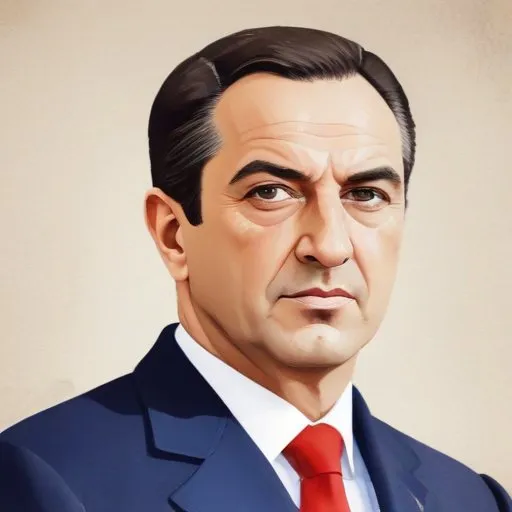
Phaedon Gizikis: The Enigmatic Greek General-Turned-President
The Last President of Greece Under the Junta
Phaedon Gizikis, a name synonymous with Greek military might and political intrigue, was the last President of Greece under the junta from 1973 to 1974. As a career Hellenic Army officer, he rose through the ranks to become a prominent figure in the country's tumultuous political landscape.
Early Life and Military Career
Born on June 16, 1917, in Volos, Greece, Gizikis graduated from the Hellenic Military Academy in 1939, earning the rank of second lieutenant in artillery. He went on to participate in the Greco-Italian War and the Greek Civil War, solidifying his reputation as a seasoned military strategist.
Rise to Power
In 1967, Gizikis supported the
Georgios Papadopoulos coup d'état, which marked the beginning of his ascension to power. He received numerous senior military posts during the dictatorship that followed, ultimately becoming President of the Republic on November 25, 1973, after Papadopoulos was ousted in an internal power struggle.
A Tumultuous Presidency
Gizikis's presidency was marked by controversy, particularly during the Turkish invasion of Cyprus. He was criticized for his handling of the crisis, with Ioannidis blaming him and other leaders for the Greek loss. Despite this, Gizikis played a crucial role in the country's transition to democracy, entrusting Constantine Karamanlis with the task of forming a new government.
Legacy and Later Life
After the fall of the dictatorship in 1974, Gizikis retained his post for four months before being replaced by
Michail Stasinopoulos. He retired from the army on the same day, bringing an end to his military career. In 1976, a military judicial council dropped proceedings against him and 88 other former officers charged with treason and mutiny for collaborating with the former junta. Gizikis passed away on July 26, 1999, at the NIMTS military hospital in Athens, just one month after his predecessor, Georgios Papadopoulos.
Key Milestones and Events
- June 16, 1917: Born in Volos, Greece
- 1939: Graduated from the Hellenic Military Academy
- 1967: Supported the Georgios Papadopoulos coup d'état
- 1973: Became President of the Republic
- 1974: Retired from the army and stepped down as President
- 1999: Passed away at the NIMTS military hospital in Athens
Personal and Philosophical Contributions
Gizikis's life and career were marked by a strong sense of duty and loyalty to his country. His commitment to the military and his role in shaping Greece's political landscape are a testament to his unwavering dedication.
Influence on Modern Society
Despite his controversial presidency, Gizikis played a significant role in Greece's transition to democracy. His legacy serves as a reminder of the country's complex and often tumultuous history.
Quotes and Memorable Sayings
Unfortunately, there are no recorded quotes or memorable sayings attributed to Phaedon Gizikis. However, his actions and decisions during his presidency continue to be studied and debated by historians and political analysts.
Historical Context and Legacy
Gizikis's presidency was a pivotal moment in Greece's history, marking the end of the junta and the beginning of the country's transition to democracy. His legacy serves as a reminder of the importance of democratic values and the need for accountability in government.
FAQ
What was Phaedon Gizikiss role in Greek politics?
Phaedon Gizikis was a Greek general and politician who served as the President of Greece from 1973 to 1974. He played a key role in the countrys transition from military dictatorship to democracy.
What were Phaedon Gizikiss views on the Greek military junta?
Phaedon Gizikis was a strong supporter of the Greek military junta, which ruled Greece from 1967 to 1974. However, he later distanced himself from the regime and played a role in its downfall.
How did Phaedon Gizikis contribute to Greeces transition to democracy?
Phaedon Gizikis contributed to Greeces transition to democracy by liaising with opposition leaders and facilitating the countrys return to civilian rule.
What was Phaedon Gizikiss legacy in Greek politics?
Phaedon Gizikiss legacy in Greek politics is complex and contested. While he played a role in the countrys transition to democracy, he also served as a high-ranking official under the military junta.
What were Phaedon Gizikiss views on the Greek economy?
Phaedon Gizikis was a strong supporter of state-led economic development and played a key role in shaping Greeces economic policies during the 1970s.