


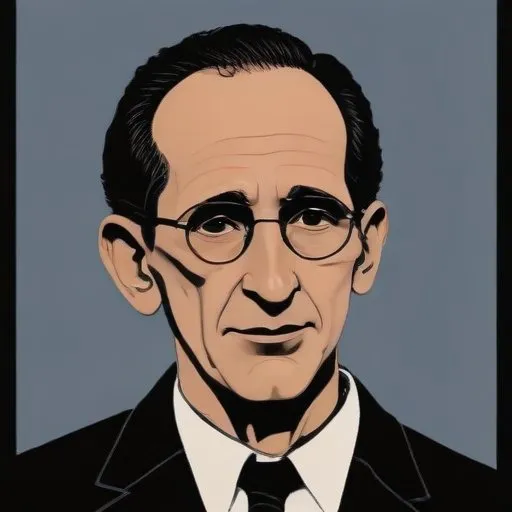
A Pulitzer Prize-winning poet and educator, known for his accessible and powerful explorations of working-class life, identity, and social justice.
Philip Levine, the renowned American poet, is best known for his poignant and evocative poems that capture the essence of working-class Detroit. Through his works, he immortalized the struggles, triumphs, and daily lives of the people he grew up with, earning him the title of Poet Laureate of the United States in 2011.
Levine was born on January 10, 1928, to Jewish immigrant parents in industrial Detroit. His father, Harry Levine, owned a used auto parts business, while his mother, Esther Priscol Pryszkulnik Levine, was a bookseller. After his father's untimely death when Levine was just five years old, his mother encouraged his love for literature, which eventually led him to poetry.
In high school, a teacher recognized Levine's talent, telling him, "You write like an angel. Why don't you think about becoming a writer?" This affirmation sparked a passion within him, and he began writing poetry. Despite working in auto factories at the tender age of 14, Levine's love for poetry only grew stronger. He went on to attend Wayne University (now Wayne State University), where he further honed his craft, encouraged by his mother, to whom he later dedicated his book of poems, The Mercy.
Levine's poetic career spanned over six decades, during which he published numerous collections, including On the Edge, Not This Pig, and What Work Is. His poetry often explored the struggles of working-class Americans, the beauty of the industrial landscape, and the human condition. His unique voice and perspective earned him numerous awards, including the National Book Award, the Pulitzer Prize, and the Wallace Stevens Award.
Levine's passion for teaching and mentoring was evident in his long-standing tenure at California State University, Fresno, where he taught for over thirty years. He also held teaching positions at other universities, inspiring generations of writers and poets. His own mentor, John Berryman, played a significant role in shaping his poetic style and encouraging his growth as a writer.
Levine's poetry often reflected his strong socialist and anti-capitalist beliefs, which were shaped by his experiences growing up in industrial Detroit. He believed that poetry should be accessible to all, not just the elite, and that it should speak to the everyday struggles and triumphs of ordinary people.
Levine's poetry has had a profound impact on modern society, inspiring countless writers, poets, and artists. His work has also influenced labor movements and social justice initiatives, giving voice to the marginalized and oppressed. As Poet Laureate of the United States, he continued to advocate for the importance of poetry in American culture.
Levine's life was marked by significant personal milestones, including his first marriage to Patty Kanterman in 1951 and his later marriage to actress Frances J. Artley in 1954. He also earned a mail-order master's degree from the University of Iowa in 1954, with a thesis on John Keats' "Ode to Indolence."
Philip Levine's legacy as a poet, teacher, and advocate for social justice continues to inspire and influence generations of writers and poets. His poetry remains a testament to the power of the human spirit, and his commitment to giving voice to the voiceless has left an indelible mark on American literature.
These are just a few of the many collections and works that showcase Levine's mastery of language, form, and content. His poetry continues to be widely read, studied, and celebrated, ensuring his legacy as one of America's most beloved and important poets.
Born in 1926
A prominent figure in the New York School of poets, known for his spontaneous, conversational style and poems that capture the essence of urban life and the human experience.
99 Years Old
A celebrated poet of the New York School, known for his surreal, dreamlike, and often humorous poetry that explores the human condition and the nature of language. His work is characterized by its complexity, wit, and playfulness.
Born in 1926
A leading figure of the Beat Generation, known for his poetry that explores themes of nonconformity, free expression, and social justice. His iconic poem "Howl" is a classic of American literature.
Born in 1926
A celebrated poet, novelist, and essayist, known for his unique, concise, and emotive writing style that explored the human experience. His work often blurred the lines between poetry and prose.
Born in 1923
A British-born American poet who explored themes of love, nature, and social justice through lyrical and accessible language, known for her unique blend of spirituality and activism.
Born in 1914
A celebrated poet and pacifist, known for his accessible and introspective style, which explores the human condition and the beauty of the natural world.
98 Years Old
A celebrated poet and translator, known for his lyrical and accessible style, which explores themes of love, nature, and the human condition.
99 Years Old
A Pulitzer Prize-winning poet and professor, known for his lyrical and introspective style, exploring themes of love, nature, and the human condition.
