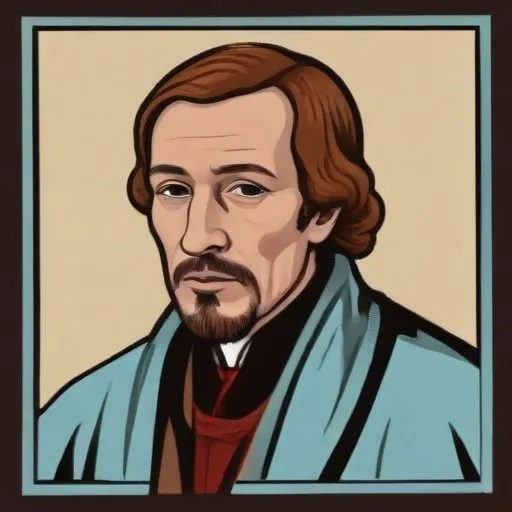
Philippe de Mornay: The Visionary Writer and Defiant Reformer
A Life Dedicated to Protestantism and Diplomacy
Philippe de Mornay, also known as Du Plessis Mornay, was a French Protestant writer, diplomat, and member of the antimonarchist Monarchomaques. He is renowned for his prolific writings, which passionately advocated for Protestantism and critique of monarchism, earning him recognition as one of the most influential thinkers of the French Wars of Religion.
Early Life and Education
Born on November 5, 1549, in Buhy, Val-d'Oise, Mornay's early life was shaped by his mother's Protestant leanings. Despite his father's efforts to counteract her influence, the family formally adopted the Reformed faith after his father's death in 1559. Mornay pursued higher education, studying law and jurisprudence at the University of Heidelberg in 1565 and Hebrew and German at the University of Padua the following year.
The Emergence of a Huguenot Apologist
Mornay's career as a Huguenot apologist began in 1571 with the publication of his work,
Dissertation sur l'Église visible. This marked the beginning of his literary endeavors, which would span several decades and earn him recognition as a prominent Protestant thinker. His diplomatic career also commenced around this time, as he undertook a confidential mission for Admiral de Coligny to William the Silent, Prince of Orange, in 1572.
A Perilous Life Amidst the French Wars of Religion
During the tumultuous period of the French Wars of Religion, Mornay's life was marked by danger and perseverance. He narrowly escaped the St. Bartholomew's Day Massacre in 1572, thanks to the aid of a Catholic friend, and took refuge in England. Upon his return to France in 1573, he participated in various military campaigns alongside the future
Henry IV of France, then King of Navarre. However, he was taken prisoner by the Duke of Guise in 1575 and later ransomed for a small sum, which was paid by Charlotte Arbaleste, whom he married shortly afterwards.
A Diplomatic Career and International Connections
Mornay's diplomatic skills earned him recognition as Henry IV's right-hand man, representing him in England from 1577 to 1578 and again in 1580, as well as in the Low Countries from 1581 to 1582. During his time in England, he befriended prominent English Protestants, such as Francis Walsingham,
Mary Sidney, and her brother
Philip Sidney. These connections would later influence his writings and diplomatic endeavors.
Literary Contributions and Legacy
Mornay's literary contributions are a testament to his unwavering commitment to Protestantism and critique of monarchism. His works, which include
De la vérité de la religion chrétienne and
Vindiciae contra Tyrannos, are regarded as some of the most influential writings of the French Wars of Religion. His ideas had a profound impact on the development of Protestant thought and continue to inspire scholars and historians to this day.
A Life of Service and Devotion
Philippe de Mornay's life was a testament to his unwavering dedication to Protestantism and diplomacy. Through his writings and diplomatic endeavors, he left an indelible mark on French history and the development of Protestant thought. His legacy serves as a reminder of the power of conviction and the importance of standing up for one's beliefs, even in the face of adversity. Mornay's remarkable life came to an end on November 11, 1623, but his ideas and writings continue to inspire and educate generations to come.