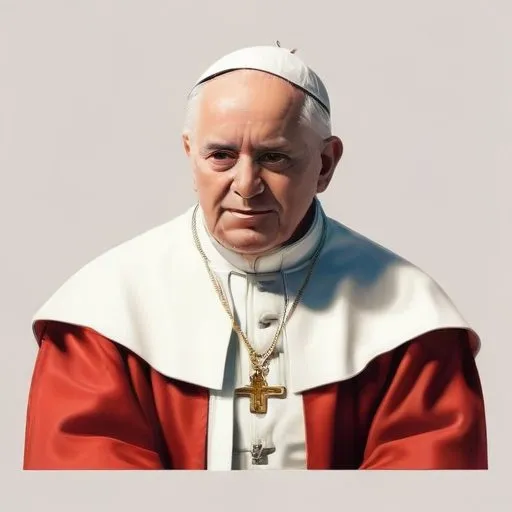
Pope Pius VI: The Unyielding Defender of the Catholic Faith
Pope Pius VI was a stalwart leader of the Catholic Church, known for his unwavering stance against the French Revolution and its anti-clerical policies. As the head of the Catholic Church and ruler of the Papal States from 1775 to 1799, he played a crucial role in shaping the Church's response to the tumultuous events of the late 18th century.
Early Life and Career
Born Count Giovanni Angelo Braschi on December 25, 1717, in Cesena, Italy, Pius VI was the eldest of eight children. He came from a noble family and was baptized with the name Angelo Onofrio Melchiorre Natale Giovanni Antonio. After completing his studies in the Jesuit college of Cesena, he earned his doctorate in both canon and civil law from the University of Ferrara.
Braschi's career in the Church began as the private secretary of papal legate Cardinal Tommaso Ruffo, Bishop of Ostia and Velletri. He later served as the auditor of Cardinal Ruffo and eventually became one of the secretaries of Pope Benedict XIV. His skills in diplomacy and governance caught the attention of the Pope, who appointed him as a cardinal in 1773.
Rise to Papacy
On February 15, 1775, Cardinal Braschi was elected as the Pope, taking the name Pius VI. During his reign, he focused on promoting education, arts, and architecture. He also worked tirelessly to reform the Church, implementing measures to increase the accountability of clergy and improve the lives of the faithful.
Condemnation of the French Revolution
Pius VI is perhaps best known for his condemnation of the French Revolution and its anti-clerical policies. He saw the Revolution as a threat to the Church's authority and the well-being of the faithful. In 1791, he issued the papal bull
Quod aliquantum, which condemned the Civil Constitution of the Clergy, a law that subjugated the French Church to the state.
Conflict with Napoleon
In 1796, French troops commanded by
Napoleon Bonaparte defeated the Papal army and occupied the Papal States. Pius VI refused to renounce his temporal power, leading to his imprisonment and transportation to France. He died on August 29, 1799, in Valence, France, after eighteen months in captivity.
Legacy
Pius VI's reign of over two decades is the fifth-longest in papal history. Despite facing immense challenges, he remained committed to the Church's values and teachings. His unwavering stance against the French Revolution and Napoleon's aggression earned him the respect of many Catholics around the world.
Personal Milestones and Key Life Events
- Baptized on December 27, 1717, in Cesena, Italy
- Earned his doctorate in canon and civil law from the University of Ferrara
- Became a cardinal in 1773
- Elected as Pope on February 15, 1775
- Condemned the French Revolution and its anti-clerical policies
- Imprisoned and transported to France in 1798
- Died on August 29, 1799, in Valence, France
Philosophical Contributions and Beliefs
Pius VI's papacy was marked by his commitment to the Church's traditional teachings and his opposition to the Enlightenment ideals that drove the French Revolution. He believed in the authority of the Church and the importance of maintaining its independence from secular powers.
Quotes and Memorable Sayings
"It is better to die than to abandon the Church" - Pius VI, in response to Napoleon's demands to renounce his temporal power.
Historical Context and Legacy
Pius VI's papacy was marked by turmoil and upheaval, but his unwavering commitment to the Church's values and teachings has earned him a place in history as a champion of Catholicism. His legacy continues to inspire and motivate Catholics around the world.
FAQ
What were the key events during Pope Pius VIs papacy?
Pope Pius VIs papacy was marked by significant events such as the French Revolution, the Papal States loss of territory, and the imprisonment of Pope Pius VI by Napoleon. He was Pope from 1775 to 1799.
How did Pope Pius VI respond to the French Revolution?
Pope Pius VI condemned the French Revolution and refused to recognize the Civil Constitution of the Clergy, leading to the execution of hundreds of French clergy and the eventual imprisonment of the Pope himself.
What was Pope Pius VIs role in the suppression of the Jesuits?
Pope Pius VI played a significant role in the suppression of the Jesuits, issuing the papal bull Dominus ac Redemptor in 1773, which effectively dissolved the Jesuit Order.
How did Pope Pius VIs papacy impact the Catholic Church?
Pope Pius VIs papacy had a profound impact on the Catholic Church, leading to a decline in the Churchs power and influence, and setting the stage for the modern Catholic Church.
What was Pope Pius VIs relationship with Napoleon?
Pope Pius VI had a tumultuous relationship with Napoleon, who eventually imprisoned the Pope and occupied the Papal States, leading to the Popes death in 1799.