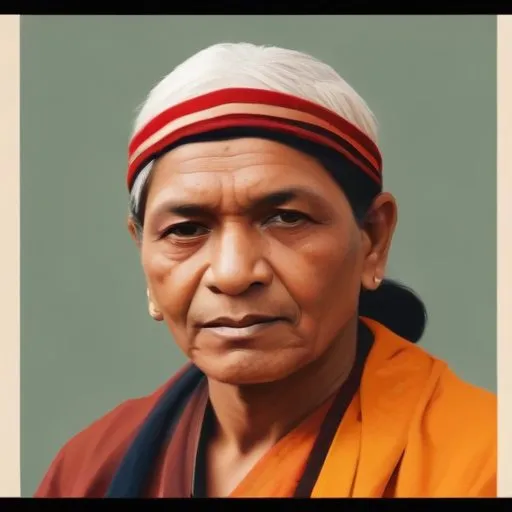
R. C. Majumdar: The Venerable Historian of Ancient India
A Life Dedicated to Unveiling India's Rich Heritage
R. C. Majumdar, a stalwart of Indian historiography, is renowned for his pioneering efforts in promoting Hindu nationalist views and shedding light on the complexities of ancient India. As a prolific historian and professor, Majumdar's tireless contributions have forever altered the landscape of Indian historical research.
Early Life and Education
Born on December 4, 1888, in Khandarpara, Gopalganj, Bengal Presidency, British India (now in Bangladesh), Majumdar hailed from a distinguished Baidya family. His early education took place in various schools in Dhaka and Calcutta (now Kolkata), culminating in his passing of the Entrance Examination from Ravenshaw College, Cuttack, in 1905.
Academic Pursuits and Career
Majumdar's academic prowess earned him a first-class scholarship at Surendranath College, which he utilized to pursue his Bachelor's degree in History from Presidency College, Calcutta. He graduated with honors in 1909 and went on to secure his Master's degree in 1911. His research work, "Andhra-Kushana Age," won him the esteemed Premchand Roychand scholarship in 1913.
Majumdar's teaching career commenced as a lecturer at Government Teachers Training College, Dhaka, and soon elevated to a professorship at the University of Calcutta in 1914. He spent seven formative years at the university, where he earned his doctorate for his thesis, "Corporate Life in Ancient India."
Leadership and Academic Distinctions
Majumdar's ascent to prominence continued with his appointment as a professor of History at the University of Dacca in 1921. He eventually became the Vice Chancellor of the university, serving from 1937 to 1942. During this period, he also served as the head of the Department of History and the Dean of the Faculty of Arts. Between 1924 and 1936, he was the Provost of Jagannath Hall.
His academic stature was further solidified by his election as the General President of the Indian History Congress and his vice presidency of the International Commission for a History of the Scientific and Cultural Development of Mankind (1950-1969), established by UNESCO.
Prolific Writings and Contributions
Majumdar's research endeavors were primarily focused on ancient India, with his works encompassing the Andhra-Kushana Age, corporate life in ancient India, and the history of the Indian subcontinent. His writings not only illuminated the complexities of India's past but also stimulated a new wave of historical inquiry.
Legacy and Impact
R. C. Majumdar's contributions to the field of history have been instrumental in shaping India's understanding of its rich cultural heritage. His tireless efforts have inspired generations of historians, scholars, and researchers, leaving an indelible mark on the academic landscape.
Personal Milestones and Key Life Events
- 1905: Passed Entrance Examination from Ravenshaw College, Cuttack
- 1907: Passed F.A. with first-class scholarship from Surendranath College
- 1911: Completed M.A. in History from Presidency College, Calcutta
- 1913: Won Premchand Roychand scholarship for research work, "Andhra-Kushana Age"
- 1921: Became professor of History at the University of Dacca
- 1937-1942: Served as Vice Chancellor of the University of Dacca
- 1950-1969: Served as vice president of the International Commission for a History of the Scientific and Cultural Development of Mankind
Quotes and Memorable Sayings
"The history of India is not the history of its rulers, but of its people."
Historical Context and Legacy
R. C. Majumdar's life and works are a testament to his unwavering dedication to the pursuit of knowledge and his unrelenting passion for Indian history. His contributions continue to inspire and inform generations of scholars, ensuring his legacy as one of India's most esteemed historians.
FAQ
What was R. C. Majumdars contribution to Indian historiography?
R. C. Majumdar was a leading historian of ancient India, making significant contributions to the field of Indian historiography through his research and writings.
What is R. C. Majumdars most influential work?
R. C. Majumdars most influential work is An Advanced History of India, a comprehensive and authoritative account of Indian history from ancient times to the present day.
What was R. C. Majumdars approach to historical research?
R. C. Majumdars approach to historical research was characterized by his meticulous attention to detail, his use of primary sources, and his commitment to objectivity and accuracy.
What was R. C. Majumdars role in the Indian historical community?
R. C. Majumdar was a respected figure in the Indian historical community, serving as a professor, researcher, and mentor to generations of Indian historians.
What is R. C. Majumdars legacy in Indian historiography?
R. C. Majumdars legacy in Indian historiography is one of scholarly excellence, intellectual curiosity, and a commitment to advancing our understanding of Indias rich and complex history.