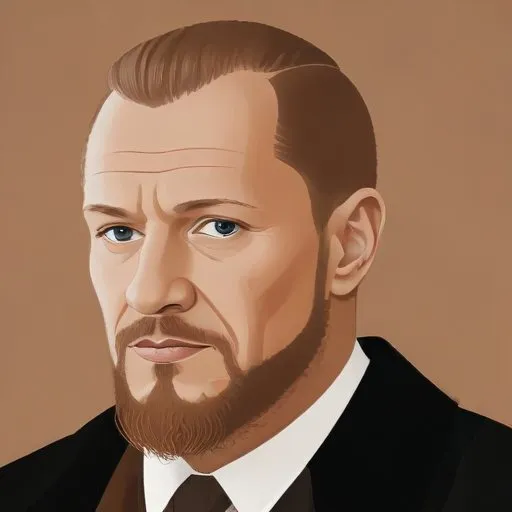
Ragnar Nurkse: The Visionary Economist
A Pioneer in Balanced Growth Theory
Ragnar Nurkse, a renowned Estonian-American economist, left an indelible mark on the world of international finance and economic development. He is widely regarded as the pioneer of Balanced Growth Theory, a concept that revolutionized the understanding of economic growth and development.
Early Life and Education
Born on October 5, 1907, in Kru, Estonia, Nurkse grew up in a family that valued education and hard work. His father, an Estonian, worked his way up from being a lumberjack to an estate manager, while his mother, of Estonian-Swedish descent, instilled in him a strong sense of determination. After completing his primary education, Nurkse attended the prestigious Domschule zu Reval in Tallinn, where he graduated with higher honors in 1926.
Nurkse's academic pursuits took him to the University of Tartu, where he studied law and economics from 1926 to 1928. He then moved to the University of Edinburgh, where he earned a first-class degree in economics under the guidance of Professor Frederick Ogilvie in 1932. A Carnegie Fellowship enabled him to further his education at the University of Vienna from 1932 to 1934.
A Career Shaping Global Economic Policies
Nurkse's professional journey began at the Economic and Financial Organization of the League of Nations, where he worked from 1934 to 1945. During this period, he served in the Financial Section and Economic Intelligence Service, playing a crucial role in the publication of several influential reports, including
The Review of World Trade and
World Economic Surveys. His work as a financial analyst and his criticism of floating exchange rates, which he believed were responsible for the economic crises of the interwar period, earned him recognition.
Academic Contributions and Legacy
In 1945, Nurkse joined Columbia University in New York City as a visiting lecturer, further solidifying his reputation as a leading economist. His work on Balanced Growth Theory, which emphasizes the importance of simultaneous growth in all sectors of an economy, has had a lasting impact on the field. Nurkse's ideas have influenced generations of economists, policymakers, and scholars, shaping the course of economic development in countries around the world.
Influence on Modern Society
Nurkse's legacy extends beyond the realm of economics. His work has had a profound impact on global economic policies, international finance, and development strategies. His ideas have informed decision-making at the highest levels, shaping the course of economic development in countries around the world.
Quotes and Memorable Sayings
- "The process of economic growth is a process of balanced growth."
- "Economic development is a process of continuous transformation."
Historical Context and Legacy
Nurkse's contributions to the field of economics must be viewed within the context of his time. His work was shaped by the tumultuous period between the two World Wars, during which he witnessed firsthand the devastating effects of economic crises. His ideas, formulated in response to these challenges, have continued to influence economic thought and policy to this day. Nurkse's legacy serves as a testament to the power of visionary thinking in shaping a better future.
Awards and Honors
Nurkse's work was recognized with several awards and honors, including the prestigious Carnegie Fellowship. His contributions to the field of economics were celebrated during his lifetime, and his ideas continue to inspire new generations of economists and policymakers.
Personal Milestones and Key Life Events
Nurkse's life was marked by significant milestones, including his family's emigration to Canada in 1928 and his own move to the United States in 1945. These experiences, shaped by his interactions with diverse cultures and economies, informed his approach to economic development and his commitment to improving the human condition.
Trivia and Fun Facts
- Nurkse was fluent in multiple languages, including Estonian, German, English, and French.
- He was an avid reader and enjoyed literature, history, and philosophy.
Nurkse's remarkable journey, marked by his groundbreaking contributions to economics and his unwavering commitment to improving human welfare, serves as a testament to the power of human ingenuity and the importance of visionary thinking.