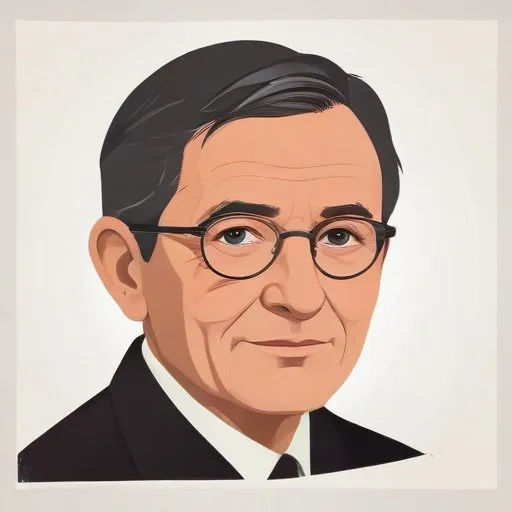
Randal Cremer: The Unwavering Advocate for International Arbitration
A Champion of Peace and Diplomacy
Randal Cremer is renowned for his tireless efforts to promote international arbitration as a peaceful alternative to war for resolving disputes. In recognition of his groundbreaking work, he was awarded the Nobel Peace Prize in 1903, a testament to his unwavering commitment to fostering global harmony.
A Humble Beginnings
Born on March 18, 1828, in Fareham, England, Cremer's early life was marked by hardship and determination. His father, a coachman, abandoned the family soon after his birth, leaving his mother to raise him and his two sisters alone. Despite the challenges, Cremer's mother ensured he received an education at a local Methodist school, which he supplemented by attending free lectures. He later apprenticed as a builder and became a skilled carpenter.
Rise to Prominence
Cremer's move to London in 1852 marked a significant turning point in his life. He became actively involved in the labor movement, swiftly rising through the ranks to become a recognized labor leader. In 1865, he was elected as the Secretary of the International Workingmen's Association, a position he held until 1867, when he resigned due to disagreements over the organization's decision to admit women.
A Career Dedicated to Peaceful Resolution
Cremer's passion for international arbitration began to take shape in the late 1860s. He advocated for the expansion of arbitration as a means to resolve disputes peacefully, rather than through war. This vision drove his political career, during which he served as a Liberal Member of Parliament for Haggerston from 1885 to 1895 and again from 1900 until his death in 1908.
A Network of Allies
During his time in Parliament, Cremer cultivated a network of like-minded individuals across Europe and North America, including
Frédéric Passy,
William Jennings Bryan, and
Andrew Carnegie. This network enabled him to promote his vision for international arbitration, leveraging his talents as an organizer to bring people together in pursuit of a common goal.
A Lasting Legacy
Randal Cremer's contribution to the international arbitration movement is immeasurable. His relentless efforts paved the way for the establishment of the Permanent Court of Arbitration in 1899, a milestone in the pursuit of peace and diplomacy. Today, his legacy continues to inspire generations of peace activists, diplomats, and scholars, serving as a testament to the power of dedication and perseverance.
Quotes and Memorable Sayings
- "The sword is the worst arbitrator between nations, and the only one that can be relied upon is reason." - Randal Cremer
Awards and Honors
Personal Milestones and Key Life Events
- Birth: March 18, 1828
- Death: July 22, 1908 (due to pneumonia)
Cremer's remarkable journey serves as a beacon of hope, illuminating the power of individual effort in shaping a more peaceful and harmonious world. His unwavering commitment to international arbitration continues to inspire and motivate, leaving behind a lasting legacy that transcends generations.
FAQ
What was Randal Cremers role in the labour movement?
Randal Cremer was a British activist and politician who played a key role in the labour movement, advocating for workers rights and international arbitration.
What was Randal Cremers contribution to the peace movement?
Randal Cremer was a pioneer in the peace movement, advocating for international arbitration and the reduction of armaments. He was awarded the Nobel Peace Prize in 1903.
What was Randal Cremers early life like?
Randal Cremer was born in England and began his career as a carpenter before becoming involved in the labour movement.
How did Randal Cremers activism impact the labour movement?
Randal Cremers activism had a significant impact on the labour movement, where he helped to promote workers rights and international cooperation.
What is Randal Cremers legacy?
Randal Cremers legacy is that of a pioneering labour activist and peace advocate who played a key role in promoting international cooperation and workers rights.