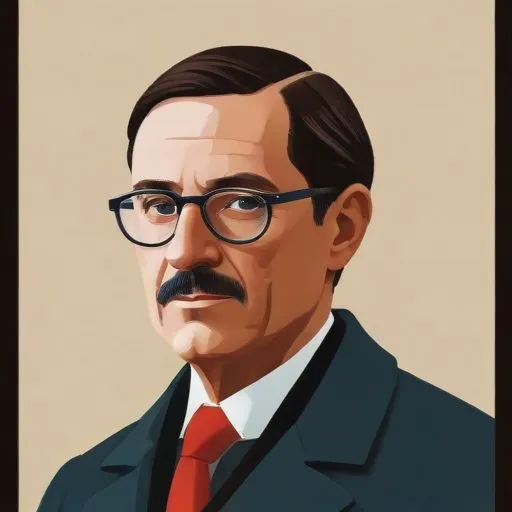
Richard Armstedt: The Erudite Historian of East Prussia
Richard Armstedt, a German philologist, educator, and historian, is renowned for his meticulous research and scholarly contributions to the field of East Prussian history. Specifically, his works focus on the history of Königsberg, a city in East Prussia where he spent a significant portion of his life.
The Early Years and Academic Pursuits
Born on November 10, 1851, in Osterburg, Prussian Saxony, Armstedt pursued his passion for learning and completed his doctorate in philosophy from the University of Tübingen in 1885. His academic excellence earned him the position of senior instructor at Altstadt Gymnasium in Königsberg, a prestigious institution that would become a significant part of his life's work.
A Scholarly Career
Armstedt's scholarly career was marked by his dedication to the study of East Prussian history, particularly that of Königsberg. His works are a testament to his rigorous research and attention to detail. Some of his notable publications include:
- Heimatkunde von Königsberg i. Pr. (1895), a comprehensive guide to the city's history and culture.
- Der schwedische Heiratsplan des Großen Kurfürsten (1896), an exploration of the Swedish marriage plan of the Great Elector.
- Geschichte der Königl. Haupt- und Residenzstadt Königsberg in Preußen (1899), a definitive history of Königsberg as the royal capital and residence city of Prussia.
- Geschichte des Kneiphöfischen Gymnasiums zu Königsberg i. Pr. (1913, 1914), a two-volume history of the Kneiphof Gymnasium, an esteemed educational institution in Königsberg.
- Geschichte der Vereinigten Johannis-Loge zum Totenkopf und Phönix zu Königsberg i. Pr. in den Jahren 1897-1922 (1922), a history of the United St. John's Lodge "To the Skull and Phoenix" in Königsberg, a Freemason lodge of which he was a member.
A Legacy of Learning
Armstedt's contributions to the field of history and education are undeniable. His works have not only enriched our understanding of East Prussian history but have also inspired future generations of scholars and historians. As the director of Kneiphof Gymnasium from 1900 to 1921, he played a significant role in shaping the minds of young students, many of whom went on to become prominent figures in their own right.
A Life Well Lived
Richard Armstedt passed away on April 14, 1931, in Königsberg, the city that had become his adopted home. His life's work is a testament to his dedication to learning, his passion for history, and his commitment to education. As we reflect on his legacy, we are reminded of the importance of preserving our cultural heritage and the significance of the scholarly pursuits that shape our understanding of the world around us.
FAQ
What were Richard Armstedts contributions to German philology?
Richard Armstedt was a prominent German philologist who made significant contributions to the study of Germanic languages and literature. His work focused on Old High German and Middle High German texts.
What were Richard Armstedts views on German education?
Richard Armstedt was a strong advocate for education reform in Germany, believing that education should be accessible to all and that it was essential for the countrys cultural and intellectual development.
What were Richard Armstedts notable achievements as a historian?
Richard Armstedt was a prolific historian who wrote extensively on German history, particularly on the Middle Ages. His work provided valuable insights into the period and remains influential to this day.
What was Richard Armstedts early life and education like?
Richard Armstedt was born in Germany and studied at the University of Berlin, where he developed an interest in philology and history.
What were Richard Armstedts contributions to the field of education?
Richard Armstedt was a dedicated educator who worked to reform the German education system. He believed in the importance of practical education and advocated for the inclusion of science and technology in the curriculum.