


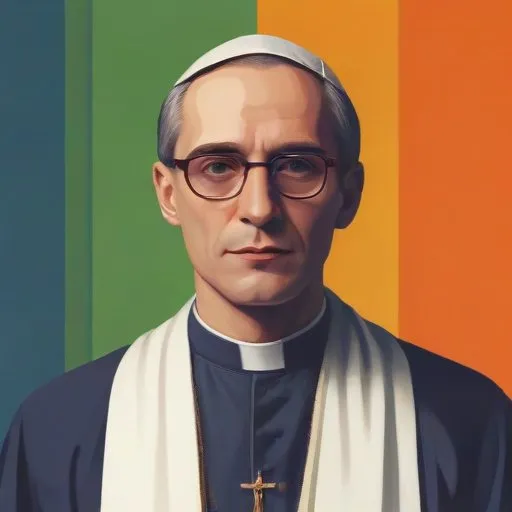
A 17th-century Oratorian priest and scholar who pioneered biblical criticism, applying reason and historical context to scriptural interpretation. His work laid groundwork for modern biblical scholarship.
Known as the father of higher criticism, Richard Simon was a French priest, orientalist, and biblical critic who left an indelible mark on the world of theology and biblical studies. His groundbreaking work, "Histoire critique du Vieux Testament", revolutionized the field of biblical criticism, sparking a new wave of research and inquiry into the scriptures.
Born on May 13, 1638, in Dieppe, France, Simon's early education took place at the Oratorian college in his hometown. A benefice enabled him to study theology at the University of Paris, where he developed a passion for Hebrew and other Oriental languages. In 1662, he entered the Oratorians as a novice and was soon sent to teach philosophy at the College of Juilly.
Sarah Montagu, Countess of Sandwich, and her brother, Christopher Montagu, were among Simon's earliest supporters. However, his involvement in a legal battle between the Oratorians and the Benedictines of Fécamp Abbey earned him many enemies. Simon's strongly worded memorandum in support of the Oratorians led to accusations of Jesuitism, further fuelling the controversy.
Simo's magnum opus, "Histoire critique du Vieux Testament", was a groundbreaking work that applied critical methods to the study of the Old Testament. His approach, though innovative for its time, sparked intense debate and criticism from traditional theologians. Despite the backlash, Simon's work paved the way for future generations of biblical scholars, earning him the recognition as the father of higher criticism.
Influenced by the ideas of Isaac La Peyrère and Baruch Spinoza, Simon's approach to biblical criticism was characterized by a critical and nuanced understanding of scriptural texts. He believed in the importance of understanding the historical and cultural context in which the scriptures were written, rather than accepting them as infallible truths.
Simo's work had far-reaching implications for the development of modern biblical scholarship. His critical approach to scripture laid the groundwork for future scholars, influencing the development of biblical theology, hermeneutics, and biblical archaeology. His legacy continues to shape our understanding of the Bible and its role in modern society.
Simon's contributions to biblical scholarship were recognized by his contemporaries, who hailed him as a pioneer in the field. Although he faced intense criticism during his lifetime, his work has stood the test of time, earning him a place among the most influential biblical scholars in history.
Richard Simon's legacy continues to inspire and challenge scholars today, his work remains a testament to the power of critical inquiry and intellectual curiosity.
Born in 1483
A German monk and priest who sparked the Protestant Reformation, challenging Catholic Church authority and shaping Western Christianity. He's famous for nailing 95 theses to a church door, sparking a religious revolution.
Born in 1509
A French pastor and theologian who played a key role in the Protestant Reformation, shaping Christian theology and influencing Western civilization. He's famous for his teachings on predestination and his role in establishing Calvinism.
Born in 1484
Leader of the Swiss Reformation, advocating for church reform and inspiring other Protestant movements.
Born in 1497
A 16th-century Renaissance scholar who made significant contributions to the development of the Protestant Reformation and education, known for his theological writings and astronomical observations.
Born in 1504
A prominent figure in the Swiss Reformation, he played a key role in shaping Protestant theology and wrote influential works on covenant theology. His writings had a lasting impact on Reformed Christianity.
Born in 1519
A 16th-century French theologian and scholar who played a key role in shaping Protestantism, particularly Calvinism, through his writings and teachings. He's also known for his Greek New Testament translation.
