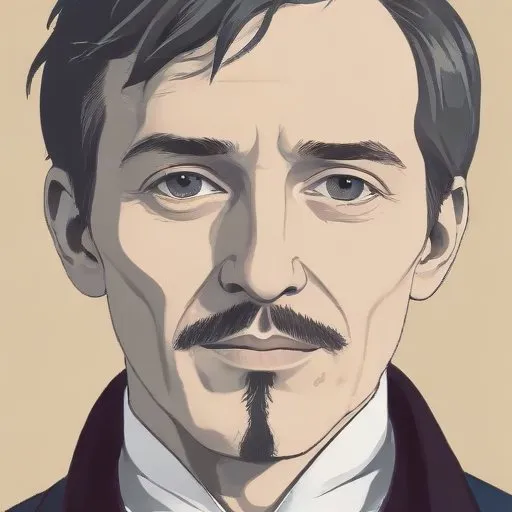
Robert Fergusson: The Scottish Poet Who Inspired a Generation
The Bard of Edinburgh
Robert Fergusson, a Scottish poet, is renowned for his vivid and masterful writing in the Scots language, which has had a profound impact on the literary world. His poetry, published in various magazines and collections, showcases his unique ability to capture the essence of Scottish culture and society during the Scottish Enlightenment.
A Bohemian Life in Edinburgh
Born on September 5, 1750, in Edinburgh, Fergusson led a bohemian life, immersing himself in the city's intellectual and cultural ferment. His experiences and observations of the city's vibrant atmosphere greatly influenced his writing style and subject matter.
Early Life and Education
Fergusson was the third of three surviving children to William and Elizabeth Fergusson. His parents, originally from Aberdeenshire, had moved to Edinburgh two years prior to his birth. He received formal schooling at the city's High School and later at the High School of Dundee. In 1765, he attended the University of St Andrews, where he excelled in mathematics under the tuition of William Wilkie and was taught rhetoric by Robert Watson.
The Emergence of a Poet
Fergusson's poetry career began in 1771, when his works were printed in Walter Ruddiman's Weekly Magazine. His writing quickly gained popularity, and in 1773, a collected works was published. Despite his short life, his poetry had a significant impact on his contemporaries, including the famous Scottish poet Robert Burns.
Influence on Modern Society
Fergusson's poetry not only reflected the cultural and social nuances of his time but also played a significant role in shaping the literary landscape of Scotland. His use of the Scots language helped to preserve and promote Scottish culture, making him a beloved figure in Scottish literature.
Personal Milestones and Key Life Events
- Born on September 5, 1750, in Edinburgh, Scotland
- Attended the University of St Andrews from 1765 to 1768
- Published his poetry in Walter Ruddiman's Weekly Magazine from 1771 onwards
- A collected works was published in 1773
- Died on October 16, 1774, at the age of 24
Legacy and Historical Context
Fergusson's legacy extends beyond his poetry. He played a crucial role in the Scottish Enlightenment, contributing to the country's cultural and intellectual heritage. His poetry continues to be celebrated and studied, offering valuable insights into Scotland's history and society during the 18th century.
Comparative Analysis with Contemporaries
Fergusson's writing style and themes are often compared to those of his contemporaries, including
Robert Burns and
Allan Ramsay. While each poet had their unique voice and approach, Fergusson's use of the Scots language and his focus on Scottish culture set him apart from his peers.
Trivia and Fun Facts
- Fergusson was known for his love of mathematics, which he excelled in at the University of St Andrews.
- He was involved in a student riot during his time at university, but his professor, William Wilkie, intervened on his behalf to prevent expulsion.
Conclusion
Robert Fergusson's life and poetry are a testament to his passion for Scottish culture and society. His contributions to literature have had a lasting impact, inspiring generations of poets and writers. Today, Fergusson is remembered as one of Scotland's most beloved poets, and his poetry continues to be celebrated and studied around the world.
FAQ
What style of poetry did Robert Fergusson write?
Robert Fergusson wrote in the Scots vernacular, using the language and dialect of his native Scotland to create poetry that was both accessible and authentic.
What themes did Fergussons poetry explore?
Fergussons poetry explored themes of love, nature, and social commentary, often using humor and satire to make pointed observations about Scottish life.
How did Fergussons poetry influence later Scottish writers?
Fergussons poetry had a significant impact on later Scottish writers, including Robert Burns, who credited Fergusson as an influence.
What is Fergussons most famous poem?
Fergussons most famous poem is Auld Reekie, a vivid portrayal of Edinburghs Old Town that uses vivid imagery and Scots dialect to evoke the citys spirit.
What was Fergussons contribution to Scottish literature?
Fergussons contribution to Scottish literature was significant, as he helped to establish Scots as a literary language and paved the way for later Scottish writers.