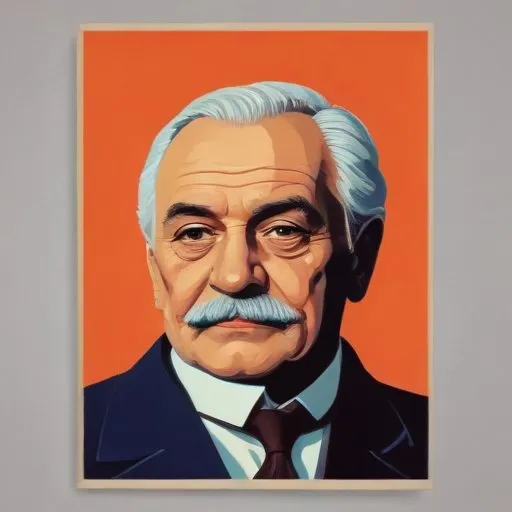
Sergey Mikhalkov: The Poetic Patriarch of Russian Children's Literature
A Life Dedicated to Rhymes and Rhythms
Sergey Mikhalkov is renowned for his whimsical words and imaginative stories, captivating the hearts of Russian children and adults alike. As a celebrated author of children's books and satirical fables, he has left an indelible mark on Russian literature, earning him a revered place in the country's cultural heritage.
A Noble Heritage and Early Beginnings
Born on March 13, 1913, in Moscow, Sergey Mikhalkov hailed from the esteemed Mikhalkov family. His father, Vladimir Aleksandrovich Mikhalkov, and mother, Olga Mikhailovna née Glebova, instilled in him a love for literature and the arts from a young age. This nurtured environment laid the foundation for Sergey's future success as a writer and poet.
The Rise to Prominence: Uncle Styopa and the National Anthem
Mikhalkov's literary talent was first recognized in the 1930s, when he began to rival other prominent children's writers such as Korney Chukovsky,
Samuil Marshak, and Agniya Barto. His poems, particularly those featuring the beloved character Uncle Styopa, a friendly and helpful policeman, delighted children and parents alike. However, it was his commission from
Joseph Stalin in 1942 to write the lyrics for the Soviet national anthem that catapulted him to national prominence.
A Patriotic Legacy: The State Anthem of the Soviet Union
Mikhalkov's collaboration with writer El-Registan and composer Alexander Alexandrov resulted in the iconic State Anthem of the Soviet Union, which was first performed in 1944. Although the original lyrics were later discarded during the de-Stalinization process, Mikhalkov's revised lyrics, written in 1970, were eventually adopted in 1977 and remained in use until the dissolution of the Soviet Union.
Literary Contributions and Impact
Throughout his illustrious career, Mikhalkov penned numerous children's books, fairy tales, and satirical fables that continue to entertain and educate Russian readers. His works have been translated into numerous languages, making him a beloved figure in children's literature worldwide. His influence extends beyond literature, as his words have inspired generations of Russians, fostering a sense of national pride and cultural identity.
Awards and Honors
Mikhalkov's remarkable contributions to Russian literature have been recognized with numerous awards and honors, including:
- Stalin Prize (1942)
- Lenin Prize (1968)
- Hero of Socialist Labour (1973)
- Order of Lenin (1973)
A Lasting Legacy
Sergey Mikhalkov's passing on August 27, 2009, marked the end of an era in Russian literature. However, his legacy lives on through his timeless stories, which continue to captivate young minds and inspire future generations of writers and poets. As a testament to his enduring impact, Mikhalkov's works remain an integral part of Russian cultural heritage, a reminder of the power of imagination and the importance of nurturing young minds.
FAQ
What was Sergey Mikhalkovs significance in Russian literature?
Sergey Mikhalkov was a prominent Russian author and playwright who made significant contributions to childrens literature and satire.
What were Sergey Mikhalkovs most famous works?
Sergey Mikhalkov was known for his beloved childrens books, including Uncle Stepa and Three Fat Men, as well as his satirical plays and essays.
How did Sergey Mikhalkovs writing style reflect the social and political landscape of the Soviet Union?
Sergey Mikhalkovs writing style reflected the social and political landscape of the Soviet Union during the 20th century, addressing themes of socialism, morality, and social change.
What awards and recognition did Sergey Mikhalkov receive for his literary contributions?
Sergey Mikhalkov received several awards and honors for his literary contributions, including the Lenin Prize and the USSR State Prize.
How did Sergey Mikhalkovs legacy influence future generations of Russian writers?
Sergey Mikhalkovs legacy has inspired a new generation of Russian writers, influencing the development of Russian literature and its engagement with social and political issues.