


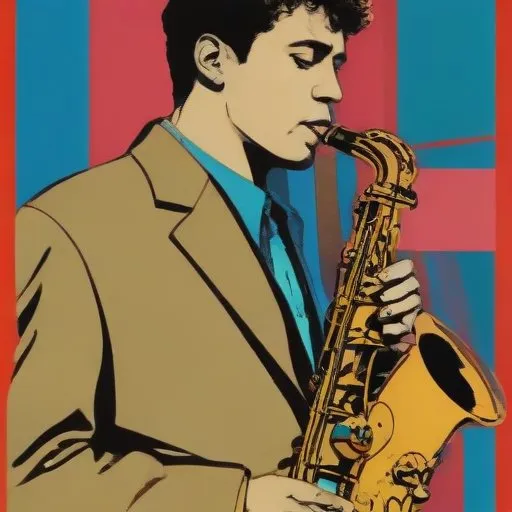
A pioneering alto saxophonist of the 1940s and 1950s, known for his bebop and cool jazz styles, and his virtuosic improvisations. He was a major influence on the development of West Coast jazz.
Sonny Criss, born William Criss, was an American jazz musician who rose to prominence during the bebop era, leaving an indelible mark on the jazz scene with his concise, bluesy tone and virtuosic alto saxophone playing. As one of the many talented musicians influenced by the legendary Charlie Parker, Criss carved out a niche for himself with his unique style and contributions to the genre.
Born on October 23, 1927, in Memphis, Tennessee, Criss relocated to Los Angeles at the tender age of 15, where he began his musical journey. He played in various bands, including Howard McGhee's, which also featured the iconic Charlie Parker. This early exposure to Parker's genius would have a profound impact on Criss's development as a musician.
Criss's big break came in 1947 with a series of jam sessions organized by jazz impresario Norman Granz. This exposure led to his signing with Imperial Records in 1956, where he recorded several albums, including Jazz U.S.A., Go Man, and Sonny Criss Plays Cole Porter, featuring pianist Sonny Clark. These albums showcased Criss's mastery of the alto saxophone and his ability to blend bebop with blues and swing elements.
Criss's collaborations with pianist Wynton Kelly on At the Crossroads and with Horace Tapscott on Sonny's Dream are testaments to his adaptability and willingness to experiment with different styles and arrangements. He continued to record acclaimed albums for Prestige, Muse, and Impulse, solidifying his reputation as a master of the alto saxophone.
Sonny Criss's contributions to jazz are undeniable. His unique tone, phrasing, and approach to improvisation have influenced generations of musicians. Although his life was cut short by stomach cancer, which led to his tragic suicide in 1977, his music continues to inspire and delight audiences today. Criss's legacy serves as a reminder of the power of jazz to transcend time and mortality, leaving behind a rich and profound cultural heritage.
Sonny Criss never married, but he had a son, Steven Criss. Despite his success and accolades, Criss struggled with personal demons, and his life was marked by tragedy. He died on November 19, 1977, in Los Angeles, leaving behind a body of work that continues to inspire and influence jazz musicians to this day.
Born in 1920
A pioneering jazz saxophonist and composer, known for his lightning-fast solos and innovative bebop style that revolutionized jazz music. 82
Born in 1917
A virtuosic trumpet player and composer who revolutionized jazz with his lightning-fast solos and iconic puffy cheeks, creating a new language for the instrument. He's synonymous with bebop and modern jazz.
Born in 1917
A jazz legend who revolutionized piano playing and composition with unorthodox techniques and harmonies, creating a unique, improvisational style that continues to inspire generations of musicians.
99 Years Old
A legendary jazz saxophonist and composer who revolutionized the genre with his innovative, spiritually-driven improvisations and iconic albums like "A Love Supreme".
95 Years Old
A legendary jazz saxophonist and composer, renowned for his improvisational genius and iconic recordings that redefined the genre. His playing style is characterized by intense emotional expression and harmonic innovation.
97 Years Old
A legendary jazz saxophonist and bandleader, known for his soulful, bluesy sound and iconic albums like "Mercy, Mercy, Mercy!" and "Somethin' Else".
Born in 1919
A legendary jazz drummer and leader of the Jazz Messengers, known for nurturing young talent and shaping the sound of modern jazz through his iconic band.
88 Years Old
A renowned jazz trumpeter and composer, known for his soulful, melodic playing style and iconic album "The Sidewinder".
