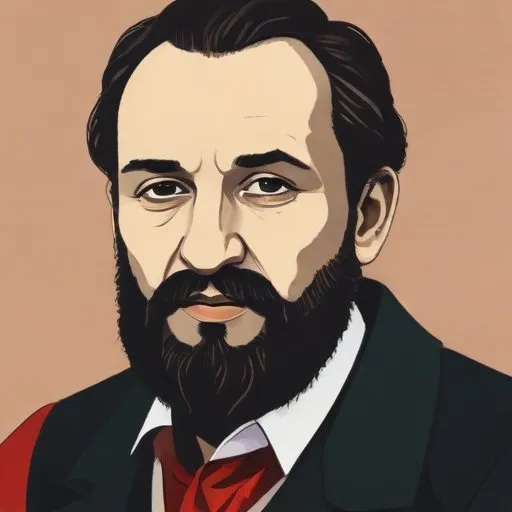
Stanisław Grochowiak: The Rebel Poet of Polish Turpism
A Life of Unflinching Realism
Stanisław Grochowiak, known by his penname Kain, was a trailblazing Polish poet and dramatist who left an indelible mark on the literary world. He is renowned for his unapologetic exploration of the dark, the ugly, and the brutal, earning him a place among the pioneers of Polish turpism, a literary movement that reveled in the harsh realities of life.
Early Life and Inspiration
Born on January 24, 1934, in Leszno, Poland, Grochowiak's early life was marked by a fragile economic and political landscape. This tumultuous environment would later influence his writing, as he drew inspiration from the struggles and hardships of the people around him. His unique perspective and raw talent soon propelled him to the forefront of Poland's literary scene.
The Turpist Mastermind
Grochowiak's poetry and drama are characterized by their unflinching realism, often delving into themes of violence, decay, and the human condition. His writing style, both raw and ornate, echoes the complexities of life, leaving readers with a profound sense of unease and introspection. Through his work, he confronts the darker aspects of human nature, challenging societal norms and conventions.
A New Wave of Polish Literature
Grochowiak is often mentioned alongside other prominent Polish poets, such as Zbigniew Herbert and Miron Białoszewski, as a leader of the Polish new wave. This movement sought to break free from the constraints of traditional Polish literature, embracing a more experimental and avant-garde approach. Grochowiak's involvement in this movement helped shape the course of Polish literature, paving the way for future generations of writers.
Major Works and Contributions
Some of Grochowiak's most notable works include "Wiersze" (Poems), "Kamyk" (Pebble), and "Teatr dla ludzi dorosłych" (Theater for Adults). His writing has been praised for its innovative style, which masterfully blends formal, rhymed poetry with the brutal honesty of turpism. This unique fusion has made him a standout figure in Polish literature, earning him both critical acclaim and a devoted following.
A Legacy Cut Short
Tragically, Grochowiak's life was cut short when he passed away on September 2, 1976, at the age of 42, in Warsaw. Despite his untimely death, his literary legacy continues to inspire and provoke, cementing his place as one of the most important figures in modern Polish literature.
Influence on Modern Society
Grochowiak's work has had a lasting impact on Polish culture, challenging societal norms and sparking important discussions about the human condition. His writing has also inspired a new generation of writers, artists, and thinkers, ensuring that his legacy will continue to be felt for years to come.
Quotes and Memorable Sayings
- "I write about the things that hurt, because that's the only way to make them beautiful."
- "The ugly is not the opposite of beauty, but its foundation."
A Lasting Impact
Stanisław Grochowiak's life and work serve as a testament to the power of unflinching realism and the human spirit. His trailblazing poetry and drama continue to captivate audiences, inspiring new generations to confront the complexities of life and the darkness that lies within. As a pioneer of Polish turpism, Grochowiak's legacy will forever be etched in the annals of literary history.
FAQ
What is Stanisław Grochowiaks most famous literary work?
Stanisław Grochowiak is perhaps best known for his novel The Birth of Barabbas, which won the Polish Ministry of Cultures literary award in 1964.
What is Stanisław Grochowiaks connection to the Polish theatre?
Stanisław Grochowiak was a prominent figure in Polish theatre, serving as the director of the National Theatre in Warsaw from 1972 to 1982.
What awards has Stanisław Grochowiak won for his writing?
Stanisław Grochowiak has won several awards for his writing, including the Alfred Jurzykowski Award and the Polish PEN Club Award.
Has Stanisław Grochowiak written any plays?
Yes, Stanisław Grochowiak has written several plays, including The Rehearsal and The Trial of Judas.
What is Stanisław Grochowiaks legacy in Polish literature?
Stanisław Grochowiaks legacy is that of a versatile and influential writer, whose work has had a significant impact on Polish literature and theatre in the second half of the 20th century.