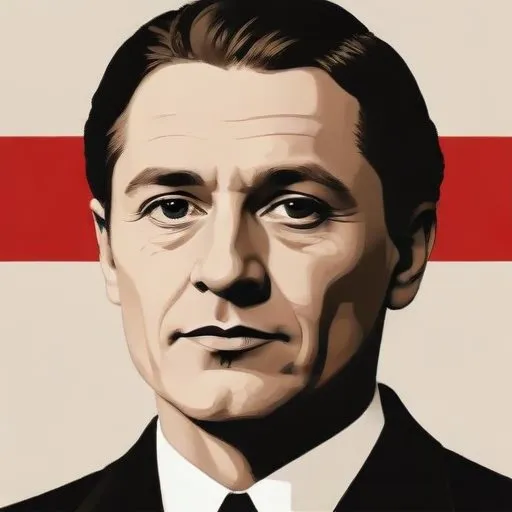
Tankred Dorst: The Playwright Who Redefined German Theatre
A Master of the Absurd
Tankred Dorst, a renowned German playwright, and storyteller, is widely acknowledged for his innovative and thought-provoking works that challenged the conventions of German theatre. With a career spanning over four decades, Dorst's farces, parables, one-act plays, and adaptations have left an indelible mark on the world of theatre, earning him numerous accolades and recognition.
Early Life and Inspiration
Born on December 19, 1925, in Oberlind, Thuringia, Germany, Dorst's life was marked by the tumult of World War II. Conscripted into the German army at the age of 17, he was captured and imprisoned as a prisoner of war, remaining in British and American hands until 1947. This experience had a profound impact on his worldview, and his writing often reflected his concerns about the human condition.
Early Career and Collaborations
After completing his schooling, Dorst studied German literature, art history, and theatre in Bamberg and Munich. During the 1950s, he began writing plays for the marionette theatre, Das Kleine Spiel, often collaborating with composer Wilhelm Killmayer. His early works showcased his unique blend of absurdity and social commentary, setting the tone for his later masterpieces.
Breakthrough and International Recognition
Dorst's breakthrough came in 1960, with the performance of his plays in Lbeck, Mannheim, and Heidelberg. These productions catapulted him to international fame, and his works have since been performed worldwide. His monumental drama,
Merlin oder das wste Land, premiered in 1981 in Dsseldorf, drew comparisons to Goethe's
Faust, cementing his status as a master playwright.
Awards and Honors
Dorst's contributions to German theatre have been recognized with numerous awards and distinctions, including:
- Gerhart Hauptmann Prize (1964)
- Prize of the City of Florence (1970)
- Literature Prize of the Bayerische Akademie der Knste (1983)
- Mlheimer Dramatikerpreis (1989)
- Georg Bchner Prize (1990)
Influence on Modern Society
Dorst's plays have consistently responded to the transformations of his time, addressing pressing social and political concerns. His works have not only reflected the zeitgeist but have also contributed to shaping public discourse. In the words of Georg Hensel, "Dorst's plays have a direct connection to the present... He has always been a companion to the times."
Legacy and Lasting Impact
Tankred Dorst's legacy extends beyond his impressive body of work. He has inspired generations of playwrights, directors, and actors, leaving an indelible mark on German theatre. His commitment to pushing the boundaries of storytelling has enriched the cultural landscape, ensuring his work remains relevant and thought-provoking for years to come.
FAQ
What is Tankred Dorsts most famous play?
Tankred Dorsts most famous play is Merlin oder das wueste Land, which premiered in 1980 and has been widely performed and translated.
What was Tankred Dorsts early life like?
Tankred Dorst was born on December 19, 1925, in Oberlind, Germany. He grew up in a family of modest means and was educated at the University of Munich.
How did Tankred Dorsts background in visual arts influence his writing?
Tankred Dorst began his career as a visual artist, studying painting and graphic design. This background influenced his writing style, which often incorporates elements of visual storytelling and poetic imagery.
What themes did Tankred Dorst explore in his writing?
Tankred Dorsts works often explore themes of identity, morality, and the human condition, as well as the intersection of history and mythology.
What awards and recognition did Tankred Dorst receive for his writing?
Tankred Dorst received numerous awards and honors for his writing, including the Georg Büchner Prize, the Ernst Ludwig Kirchner Prize, and the Bachmann Prize.