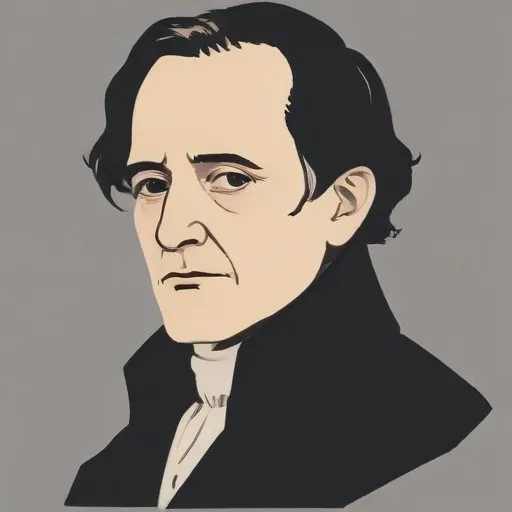
Thomas Randolph: The Witty Dramatist and Poet of 17th-Century England
A Life of Wit and Comedy
Thomas Randolph, baptized on June 15, 1605, was an English poet and dramatist renowned for his exceptional wit and comedic flair. Recognized by the esteemed
Ben Jonson as a promising writer of comedy, Randolph's works left an indelible mark on the literary scene of 17th-century England.
Early Life and Family
Randolph was born in Newnham, Northamptonshire, to William Randolph and Elizabeth Smith. His father, a gentleman, remarried Dorothy Lane after Elizabeth's untimely death in 1613. This union produced seven half-siblings, including Henry Randolph, who would later emigrate to Colonial Virginia and become the ancestor of the prominent Randolph family.
Education and Early Literary Pursuits
Randolph's academic pursuits took him to Westminster School, where he was admitted as a King's Scholar in 1618. He later attended Trinity College, Cambridge, graduating with a Bachelor of Arts degree in 1628 and earning his Master of Arts degree in 1631. During his time at Cambridge, Randolph wrote several pieces, including a poem celebrating the marriage of King Charles to Princess Henrietta Maria.
Literary Contributions and Milestones
Randolph's first dramatic production,
Aristippus or The Jovial Philosopher, was staged at Cambridge around 1626. This work showcased his unique blend of wit and humor, earning him recognition among his contemporaries. His literary contributions continued to grow, with his poems and plays becoming increasingly popular in London's literary circles.
Philosophical Contributions and Beliefs
Randolph's works often reflected his belief in the power of wit and satire to critique societal norms. His writing style, characterized by clever wordplay and biting humor, was influenced by the classical Greek and Roman comedy traditions. Through his works, Randolph championed the importance of intellectual curiosity and the pursuit of knowledge.
Influence on Modern Society
Randolph's impact on English literature extends beyond his own time. His comedic style and satirical approach have influenced generations of writers, including figures like Alexander Pope and
Jonathan Swift. His legacy continues to be felt in modern comedy, with many regarding him as a pioneer of the genre.
Personal Milestones and Key Life Events
- 1621: Writes his first epitaph at the age of 16
- 1618: Admitted as a King's Scholar to Westminster School
- 1624: Enters Trinity College, Cambridge
- 1626: Stages his first dramatic production, Aristippus or The Jovial Philosopher
- 1631: Earns his Master of Arts degree and becomes a major fellow of Trinity College
Legacy and Historical Context
Thomas Randolph's life and works serve as a testament to the intellectual and artistic ferment of 17th-century England. His unique blend of wit, satire, and comedy continues to inspire and delight readers to this day, solidifying his place as a significant figure in the literary canon.
Trivia and Fun Facts
- Randolph's uncle, Richard Lane, was a barrister who served as a Member of Parliament.
- His half-brother, Henry Randolph, emigrated to Colonial Virginia and became the ancestor of the prominent Randolph family in the region.
- Randolph's poem celebrating the marriage of King Charles to Princess Henrietta Maria was likely his first official literary contribution.
FAQ
Who was Thomas Randolph?
Thomas Randolph was an English poet and playwright who was active in the late 16th and early 17th centuries.
What were Thomas Randolphs literary achievements?
Thomas Randolph wrote several plays and poems, including The Jealous Lovers and Amyntas. He was known for his classical style and his use of mythology in his works.
What was Thomas Randolphs connection to the University of Cambridge?
Thomas Randolph attended the University of Cambridge, where he earned a degree and later served as a fellow of Trinity College.
How did Thomas Randolph die?
Thomas Randolph died in 1635, reportedly of natural causes.
What is Thomas Randolphs legacy?
Thomas Randolph is remembered as a lesser-known but still important figure in the English Renaissance literary scene, particularly in the development of dramatic poetry.