


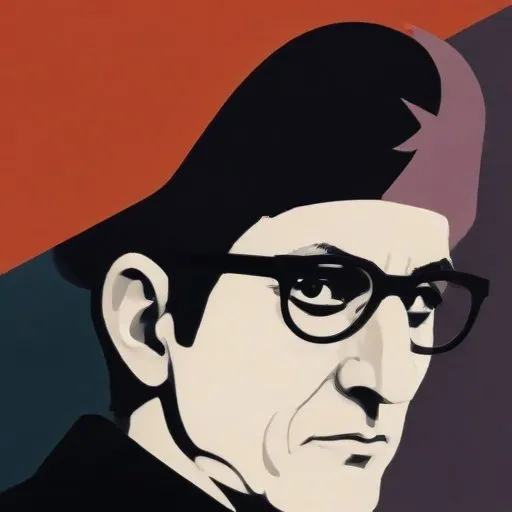
A pioneering photographer and journalist who captured the essence of the American counterculture movement of the 1960s and 1970s through his iconic images of hippies, protests, and rock concerts.
Tony Zappone, born Anthony N. Zappone on October 9, 1947, in Tampa, Florida, made history at the tender age of 16 by becoming the youngest credentialed journalist to cover a major national political convention. His remarkable career was marked by capturing iconic moments, including photographing President John F. Kennedy just four days before his assassination in 1963.
Zappone's journey in journalism began at 14 as a freelance photographer with The Tampa Tribune, where he was paid $3 per news photo used. This early start laid the foundation for his remarkable career, which would take him to the forefront of photojournalism.
Tony Zappone's camera lens captured some of the most pivotal moments in American history. On November 18, 1963, he photographed President Kennedy during his entire five-hour presidential visit to Tampa, just four days before his assassination in Dallas, Texas. These photographs would later become a vital part of history, with some being presented to U.S. Attorney General Robert F. Kennedy for display at the John F. Kennedy Library in Boston.
Nine months after the assassination, Zappone presented his photographs to Robert F. Kennedy, which were subsequently accepted for public display at the John F. Kennedy Library. A selection of these photographs are now on permanent display at the Kennedy Presidential Library and Museum in Boston. Furthermore, some of the photos taken during Kennedy's Tampa visit were entered as exhibits during the Warren Commission's investigation into the assassination and continue to be used today in Secret Service training.
Tony Zappone's work has left an indelible mark on the world of photojournalism. His photographs are a testament to his skill and dedication, and their significance extends beyond mere documentation of historical events. They have become an integral part of American history, providing a unique perspective on a pivotal moment in time.
Tony Zappone's remarkable career has left an enduring legacy in the world of photojournalism. His photographs have captured the essence of history, and his dedication to his craft has inspired generations of journalists and photographers. As we reflect on his remarkable journey, we are reminded of the power of photography to tell the story of our times.
91 Years Old
A renowned war photographer and correspondent, capturing the harsh realities of conflict and human suffering through his lens, with a career spanning over 60 years.
Born in 1908
A pioneer of street photography, capturing life's fleeting moments in elegant, geometric compositions that defined the genre. Known for coining the term "the decisive moment."
Born in 1913
A pioneering war photographer and journalist, capturing iconic images of conflict and human struggle, particularly during World War II and the Spanish Civil War.
Born in 1912
A pioneering African American photographer and filmmaker who captured the lives of marginalized communities, exposing social injustices through powerful, poignant images.
Born in 1895
Documented the lives of those affected by the Great Depression and the Dust Bowl through powerful, poignant photographs that humanized the struggles of the era. Captured iconic images that shaped the national conversation around poverty and social justice.
Born in 1904
Pioneering photographer and journalist who captured iconic images of the Great Depression and World War II, and was the first woman to fly on a combat mission.
Born in 1902
Pioneering landscape photographer and conservationist capturing iconic black-and-white images of the American West, advocating for environmental protection through art.
82 Years Old
A renowned documentary photographer capturing the human condition, particularly in war-torn and impoverished regions, through hauntingly beautiful and thought-provoking images.
