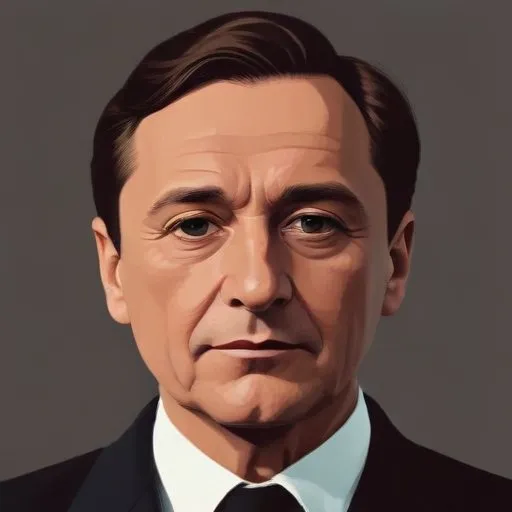
Walter Kempowski: The Chronicler of German History
A Life of Writing and Witnessing
Walter Kempowski, a renowned German writer, is best known for his monumental series of novels, German Chronicle (Deutsche Chronik), and his groundbreaking work, Echolot Sonar, a comprehensive compilation of autobiographical reports, letters, and documents from contemporary witnesses of World War II. Through his writing, Kempowski provided a unique perspective on German history, exploring the complexities of war, family, and identity.
A Turbulent Childhood
Born on April 29, 1929, in Rostock, Germany, Kempowski grew up in a middle-class family. His father, Karl Georg Kempowski, was a shipping company owner, and his mother, Margarethe Kempowski (née Collasius), was the daughter of a Hamburg merchant. Kempowski's childhood was marked by the turmoil of World War II, during which he was forced to serve in the Hitler Youth and later in the Flakhelfer, the youth auxiliary of the Luftwaffe.
Post-War Experience and Inspiration
After the war, Kempowski worked for the U.S. Army in Wiesbaden, where he was exposed to American jazz and swing music, which would later influence his writing. However, during a visit to Rostock in 1948, he was arrested by Soviet authorities, accused of spying for the U.S., and sentenced to 25 years in prison. Kempowski served eight years in a prison in Bautzen, where he began writing as a means of coping with the harsh realities of his situation. This experience would later shape his writing, as he drew inspiration from the struggles and stories of those around him.
Teaching and Writing Career
Upon his release in 1956, Kempowski became a teacher in West Germany, where he continued to write and develop his literary style. His experiences as a teacher and his fascination with history and human stories led him to create his most notable works, including the German Chronicle series and Echolot Sonar.
Major Works and Impact
Kempowski's German Chronicle series, which consists of 10 volumes, is a sweeping narrative that spans over 80 years of German history, from the late 19th century to the early 1980s. This monumental work is a testament to his dedication to capturing the stories and experiences of ordinary Germans during times of war and social change.
Echolot Sonar, Kempowski's other notable work, is a unique collage of autobiographical reports, letters, and documents from people who lived through World War II. This ambitious project, which took over 20 years to complete, provides a nuanced and multifaceted understanding of the war and its impact on German society.
Awards and Honors
Kempowski's contributions to literature were recognized with numerous awards, including the
Hans Fallada Prize (1965), the
Andreas Gryphius Prize (1982), and the Prince of Asturias Award for Literature (1993).
Legacy and Influence
Walter Kempowski's writing has had a profound impact on German literature and our understanding of World War II. His work continues to inspire new generations of writers, historians, and readers, offering a unique perspective on the human experience during times of conflict and social change. Through his writing, Kempowski has left an indelible mark on German history and literature, ensuring that the stories and experiences of those who lived through World War II will never be forgotten.
FAQ
What was Walter Kempowskis literary focus?
Walter Kempowski was a German author and academic who wrote extensively on German history, particularly the experiences of ordinary people during World War II and the post-war period.
What is Walter Kempowskis most famous work?
Walter Kempowskis most famous work is the monumental Das Echolot series, a collection of 10 novels that explore the lives of Germans during World War II.
What awards did Walter Kempowski receive for his writing?
Walter Kempowski received numerous awards for his writing, including the Georg Büchner Prize, the Lessing Prize, and the Goethe Prize.
What was Walter Kempowskis approach to historical fiction?
Walter Kempowski was known for his meticulous research and attention to detail, seeking to capture the complexities and nuances of historical events through the eyes of ordinary people.
How is Walter Kempowski regarded in German literature?
Walter Kempowski is regarded as one of the most important German writers of the post-war period, celebrated for his innovative and insightful exploration of German history and identity.