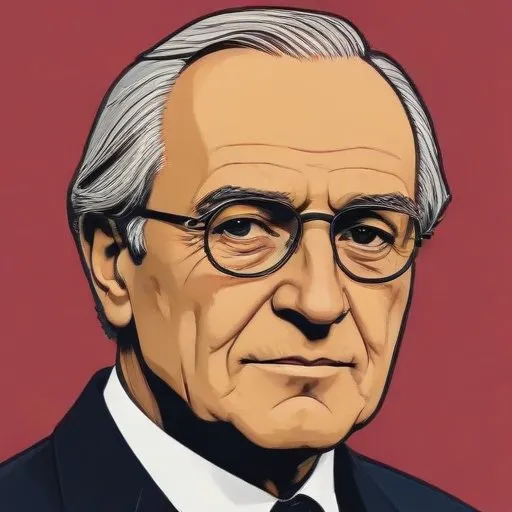
Wilhelm Pieck: The Pioneering German Communist Politician
A Leader in German Politics
Wilhelm Pieck was a prominent German communist politician who served as the chairman of the Socialist Unity Party from 1946 to 1950 and as president of the German Democratic Republic from 1949 to 1960. He was a key figure in shaping the country's political landscape during the post-war era.
Early Life and Influences
Pieck was born on January 3, 1876, in Guben, Germany (now Gubin, Poland) to a Catholic family. His mother passed away when he was just two years old, and his father remarried soon after. After completing elementary school, Pieck pursued a four-year carpentry apprenticeship, which led him to join the German Timber Workers Association in 1894. This early involvement in the labor movement steered him towards joining the Social Democratic Party of Germany (SPD) the following year.
Rise to Prominence
Pieck's active participation in the SPD propelled him to become the chairman of the party's urban district in 1899. By 1906, he had become a full-time secretary of the SPD. His dedication to the party's cause led him to take a stand against Germany's involvement in World War I, a stance that ultimately resulted in his arrest and detention in a military prison.
Communist Roots
After being released from prison, Pieck joined the Communist Party of Germany (KPD) in 1918. Alongside prominent figures like
Rosa Luxemburg and
Karl Liebknecht, he was arrested again in 1919 for his involvement in the Spartacist uprising. This experience solidified his commitment to the communist ideology, which would shape his future political endeavors.
Leader of the Socialist Unity Party
In 1946, Pieck became the chairman of the Socialist Unity Party (SED), a position he held until 1950. During this period, he played a pivotal role in shaping the party's platform and building relationships with other communist leaders.
President of the German Democratic Republic
In 1949, Pieck assumed the office of president of the German Democratic Republic (GDR), a position he held until his death in 1960. As president, he worked to establish the GDR as a sovereign state, independent from Western influence.
Legacy and Impact
Pieck's contributions to German politics and the communist movement have left an indelible mark on the country's history. His commitment to socialist ideals and his unwavering dedication to the working class have inspired generations of politicians and activists.
- Under his leadership, the SED established a strong presence in East Germany, paving the way for the country's transition to socialism.
- Pieck's presidency of the GDR marked a significant milestone in the country's journey towards independence and self-determination.
- His legacy continues to influence German politics, with many politicians drawing inspiration from his commitment to social justice and equality.
Personal Milestones and Key Life Events
- 1876: Born on January 3rd in Guben, Germany (now Gubin, Poland)
- 1894: Joined the German Timber Workers Association
- 1895: Joined the Social Democratic Party of Germany (SPD)
- 1915: Arrested at the big women's demonstration in front of the Reichstag
- 1918: Joined the Communist Party of Germany (KPD)
- 1919: Arrested alongside Rosa Luxemburg and Karl Liebknecht
- 1946: Became chairman of the Socialist Unity Party (SED)
- 1949: Became president of the German Democratic Republic (GDR)
- 1960: Passed away on September 7th
Pieck's life and legacy serve as a testament to his unwavering commitment to social justice and his vision for a more equal society.
FAQ
Who was Wilhelm Pieck and what was his role in German politics?
Wilhelm Pieck was a German carpenter and politician who served as the 1st President of the German Democratic Republic. He was a key figure in the countrys socialist movement and played a crucial role in shaping its early years.
What were Wilhelm Piecks contributions to the German socialist movement?
Pieck was a dedicated socialist and trade unionist who fought for workers rights and social justice. He co-founded the Communist Party of Germany and later became a leading figure in the Socialist Unity Party of Germany.
What was Wilhelm Piecks role in the establishment of the German Democratic Republic?
Pieck was instrumental in the establishment of the German Democratic Republic, serving as its first president from 1949 to 1960. He worked closely with the Soviet Union to build a socialist state in East Germany.
How did Wilhelm Piecks presidency impact East Germany?
During Piecks presidency, East Germany underwent significant economic and social transformation. He implemented policies to nationalize key industries, promote agricultural collectivization, and develop the countrys infrastructure.
What is Wilhelm Piecks legacy in modern German politics?
Piecks legacy is marked by his commitment to socialism and social justice. While his presidency was marked by authoritarianism and close ties to the Soviet Union, he remains an important figure in East German history and a symbol of the countrys socialist heritage.