


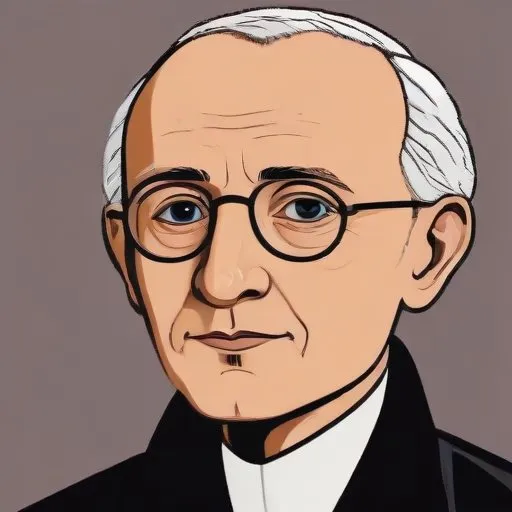
A 19th-century writer of historical novels and poetry, known for his vivid depictions of medieval Germany and his role in shaping the country's literary identity.
Willibald Alexis, the pseudonym of Georg Wilhelm Heinrich Hring, was a renowned German historical novelist, celebrated for his contributions to the Young Germany movement. He is best known for his ingenious literary tactics, which involved publishing his works as translations from English authors, thereby sparking a sense of novelty and curiosity among his readers.
Alexis was born on June 29, 1798, in Breslau, Silesia, to a French refugee family. His father held a high position in the war department, and Alexis's early life was marked by a strong sense of patriotism and adventure. He attended the Werdersche Gymnasium in Berlin and later served as a volunteer in the campaign of 1815, participating in the siege of the Ardenne fortresses.
Alexis's literary journey began with the publication of his idyll in hexameters, Die Treibjagd (1820), followed by several short stories. However, it was his historical novel Walladmor (1823) that catapulted him to fame. By claiming it to be a free translation from the English of Sir Walter Scott, Alexis cleverly piqued the interest of his readers, and the work became an instant success, translated into multiple languages, including English.
This was followed by Schloss Avalon (1827), which employed similar tactics, with equal success. Alexis's subsequent works, including Gesammelte Novellen (4 vols., 1830-1831), a collection of short stories, and travelogues, solidified his reputation as a versatile and prolific writer.
In Cabanis (1832), Alexis delved into the genre of patriotic-historical romance, exploring the era of Frederick the Great. This marked a significant shift in his writing style, as he began to focus on themes of national pride and identity.
His later works, such as Das Haus Dusterweg (1835) and Zwölf Nächte (1838), showcased his affinity for the Young Germany movement, which sought to challenge traditional literary norms and explore new forms of expression.
Alexis's contributions to German literature are undeniable. Through his innovative literary tactics and masterful storytelling, he helped shape the landscape of historical romance in Germany. His influence can be seen in the works of later writers, such as Gustav Freytag and Theodor Fontane.
Today, Willibald Alexis is remembered as a pioneer of the Young Germany movement, whose works continue to captivate readers with their sense of adventure, patriotism, and historical intrigue.
Alexis settled in Berlin, where he edited the Berliner Konversationsblatt from 1827 to 1835. He later retired to Arnstadt in Thuringia, where he lived a quiet life, plagued by poor health, until his death on December 16, 1871.
Despite the controversies surrounding his literary tactics, Willibald Alexis remains an important figure in German literary history, celebrated for his imagination, creativity, and contribution to the Young Germany movement.
Born in 1749
A German literary giant who penned iconic works like "Faust" and "The Sorrows of Young Werther", shaping the Romantic movement and influencing countless writers.
Born in 1759
A renowned poet and playwright who crafted influential works that explored the human condition, morality, and the struggle for freedom, leaving a lasting impact on German literature.
Born in 1776
A German Romantic-era mastermind who crafted dark, fantastical tales and composed mesmerizing music, leaving an indelible mark on literature and classical music.
Born in 1773
A German Romantic poet, author, and critic who wrote influential works of fantasy and horror, shaping the genre and inspiring later writers like Edgar Allan Poe.
Born in 1778
Romantic-era writer of fantastical and often dark tales, exploring themes of love, death, and the supernatural. His works are considered precursors to modern fantasy literature.
Born in 1785
A 19th-century German literary figure, known for her romantic and often fantastical writings, as well as her musical compositions and illustrations. Her works often explored themes of love, nature, and social commentary.
53 Years Old
A Jamaican artist who blends dancehall, reggae, and pop to create infectious hits, known for his energetic stage presence and chart-topping singles like "Gimme the Light" and "Baby Boy".
