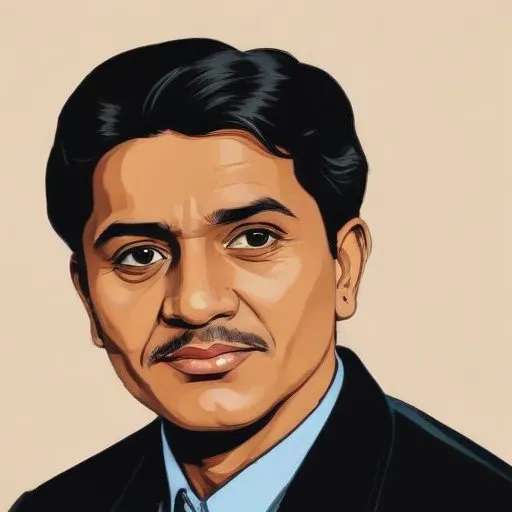
Bhaurao Patil: The Visionary of Mass Education
A Champion of Social Reform and Education
Bhaurao Patil, a stalwart of social activism and education in Maharashtra, India, is renowned for his tireless efforts in promoting mass education, particularly among the backward castes and low-income communities. Through his groundbreaking philosophy of "earn and learn," he empowered countless individuals to break the shackles of poverty and ignorance, earning him the esteemed title of "Karmaveer" (King of Actions).
Early Life and Inspirations
Born on September 22, 1887, in a Marathi Jain farming family in Kumbhoj, Kolhapur district, Bhaurao was exposed to the virtues of social equality and education from an early age. His father, a clerk in the revenue department of the East India Company, recognized the importance of education and encouraged Bhaurao to pursue higher studies. The young Bhaurao was deeply influenced by Chhatrapati Shahu, the ruler of Kolhapur State, who provided him with the opportunity to stay in the palace of Kolhapur and study. Shahu's advocacy for social equality and education of backward castes had a profound impact on Bhaurao's future endeavors.
Social Work and Philanthropy
As Bhaurao delved deeper into the realm of social activism, he became acutely aware of the pressing need for education in the struggle for Indian independence. He worked tirelessly with companies such as Ogale glassworks, Kirloskars, and Coopers, while actively participating in the activities of Satya Shodhak Samaj. His involvement with the organization, founded by Mahatma
Jyotirao Phule, further reinforced his commitment to the cause of education and social reform.
Foundation of Rayat Education Society
In 1919, Bhaurao embarked on a revolutionary journey by establishing a hostel where children from lower castes and poor families could reside and receive education while working to pay their expenses. This initiative marked the genesis of the Rayat Education Society, which would go on to become a beacon of hope for countless individuals seeking education and empowerment.
Awards and Honors
In recognition of his outstanding contributions to the field of education and social reform, Bhaurao was awarded the Padma Bhushan in 1959 by the Government of India. This prestigious honor served as a testament to his unwavering dedication to the cause of education and his role as a champion of social change.
Legacy and Impact
Bhaurao Patil's remarkable journey has left an indelible mark on the landscape of Indian education and social reform. His philosophy of "earn and learn" continues to inspire generations of individuals, empowering them to overcome the constraints of poverty and ignorance. As a pioneer in the field of mass education, Bhaurao's legacy serves as a powerful reminder of the transformative power of education in shaping a better future for all.
Philosophical Contributions and Beliefs
Bhaurao's philosophical approach to education was rooted in the belief that knowledge and economic empowerment are essential for social transformation. He fervently advocated for the importance of education in breaking the shackles of poverty and ignorance, thereby enabling individuals to participate actively in the process of nation-building.
Personal Milestones and Key Life Events
- Born on September 22, 1887, in Kumbhoj, Kolhapur district
- Established Rayat Education Society in 1919
- Awarded Padma Bhushan in 1959
- Prominent member of Satya Shodhak Samaj
Influence on Modern Society
Bhaurao Patil's crusade for education and social reform has had a profound impact on modern Indian society. His emphasis on the importance of education has inspired countless individuals to pursue higher education, leading to a significant increase in literacy rates and socio-economic mobility. Moreover, his philosophy of "earn and learn" has encouraged individuals to become self-sufficient, thereby contributing to the nation's economic growth and development.
FAQ
What was Bhaurao Patils contribution to education in India?
Bhaurao Patils contribution to education in India was his role in establishing the Rayat Shikshan Sanstha, a network of educational institutions that aimed to provide quality education to rural and underprivileged communities.
What was Bhaurao Patils early life and background?
Bhaurao Patils early life and background was marked by poverty and a strong desire for education, which motivated him to become an educator and social activist.
What was Bhaurao Patils approach to education?
Bhaurao Patils approach to education was centered on the belief that education should be accessible to all, regardless of social or economic background, and that it should be tailored to the needs of rural communities.
What impact did Bhaurao Patil have on rural development in India?
Bhaurao Patils work had a significant impact on rural development in India by providing educational opportunities to rural communities and empowering them to improve their socio-economic conditions.
How is Bhaurao Patil remembered in Indian history?
Bhaurao Patil is remembered in Indian history as a pioneer in the field of education and a champion of social justice, who dedicated his life to uplifting marginalized communities through education.