


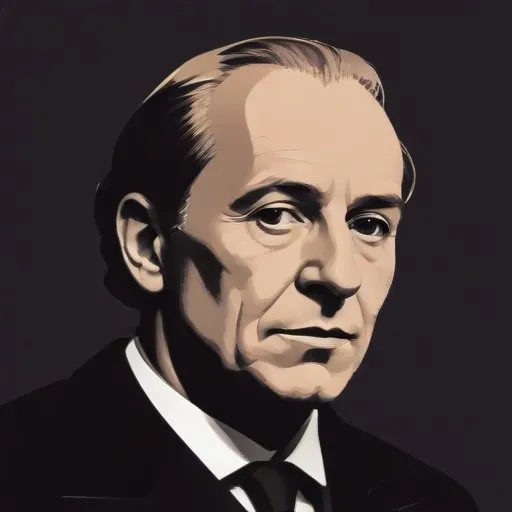
A prominent figure in the transition between the Baroque and Classical periods, he was a renowned composer, conductor, and teacher who mentored Ludwig van Beethoven. His music and teachings had a significant impact on the development of classical music.
Christian Gottlob Neefe, a German opera composer and conductor, is renowned for being one of the first teachers of the legendary Ludwig van Beethoven. His influence on Beethoven's early works and his own musical compositions have left an indelible mark on the world of classical music.
Born on February 5, 1748, in Chemnitz, Saxony, Neefe received a musical education from a tender age and began composing at the age of 12. He later studied law at Leipzig University but eventually returned to music, becoming a pupil of the esteemed composer Johann Adam Hiller.
In 1776, Neefe joined the Seyler theatrical company in Dresden, where he eventually inherited the position of musical director from his mentor, Hiller. His talent and dedication earned him the role of court organist in Bonn, where he became the principal piano teacher of the young Beethoven, helping him produce some of his earliest works.
Neefe's most celebrated work is the Singspiel, Adelheit von Veltheim, composed in 1780. His other notable compositions include:
In Bonn, Neefe became the prefect of the local chapter of the Illuminati, the Minervalkirche Stagira, demonstrating his commitment to the community and the arts. His impact on the world of music continued to grow until his passing on January 28, 1798, in Dessau.
Today, Neefe's contributions to classical music and his influence on Beethoven's early works continue to inspire and delight audiences worldwide.
Born in 1756
A child prodigy and master of classical music, he composed over 600 works, including symphonies, operas, and chamber music, that continue to inspire and influence musicians today.
Born in 1732
A renowned composer and pianist of the Classical period, known for his symphonies, operas, and chamber music that showcased his innovative and expressive style. He played a significant role in shaping the Classical music era.
Born in 1714
A pioneering opera composer who revolutionized the art form with his innovative and expressive works, blending music and drama in a way that captivated audiences.
Born in 1714
A prominent composer of the Neapolitan School, he wrote over 80 operas and was a key figure in the transition between the Baroque and Classical periods. His music was known for its dramatic intensity and expressive melodies.
Born in 1710
A Baroque composer, violinist, and organist who made significant contributions to the development of opera and sacred music, particularly with his famous "Stabat Mater" composition.
Born in 1714
A renowned 18th-century musician, he was a prolific composer and virtuosic performer, known for his expressive and innovative keyboard music that bridged the Baroque and Classical styles. His compositions, particularly for harpsichord and piano, showcased his mastery of counterpoint and harmony.
Born in 1735
A renowned Baroque composer and viol player, known for his innovative and expressive works that blended German and Italian styles. He was a prominent figure in London's musical scene during the 18th century.
Born in 1685
A renowned Baroque composer and organist, famous for creating majestic orchestral suites, operas, and oratorios, including the iconic "Messiah" masterpiece.
