


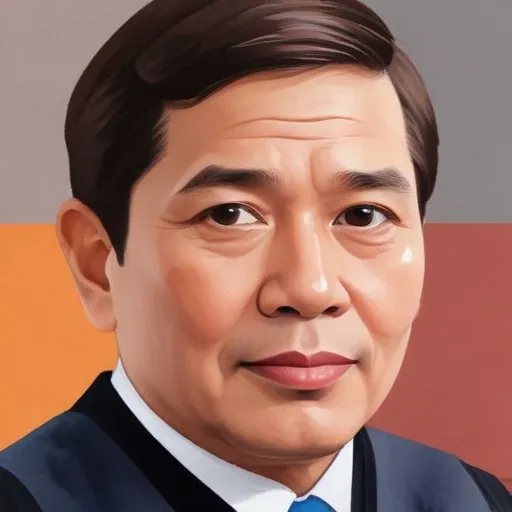
A prominent figure in the Philippines, known for his advocacy of nationalism and independence, and his influential writings on politics and law.
Claro M. Recto, a Filipino statesman, lawyer, and writer, is best known for being the primary author of the 1935 Philippine Constitution and the president of the 1934 Constitutional Convention. This monumental achievement earned him the revered title of "Father of the 1935 Philippine Constitution."
Recto was born on February 8, 1890, in Tiaong, Tayabas (now Quezon), Philippines. He came from a family of intellectuals and was exposed to the importance of education from an early age. He pursued his elementary education in his hometown and later moved to Manila to attend high school at the Liceo de Manila.
Recto's passion for law and politics led him to study at the University of Santo Tomas, where he earned his law degree in 1914. He began his career as a lawyer and quickly rose to prominence, becoming a representative of Batangas from 1919 to 1928. His dedication to public service and his exceptional leadership skills earned him a seat in the Philippine Legislature as a senator from 1931 to 1935.
Recto's most significant contribution to Philippine history was his role as the president of the 1934 Constitutional Convention. He was the primary author of the 1935 Philippine Constitution, which was ratified on May 14, 1935. This document played a crucial role in shaping the country's government and institutions.
Recto was detained on charges of collaboration with the Japanese during World War II, but he successfully defended himself after the war. He was re-elected as a senator in 1941, 1949, and 1955. Throughout his career, he became an outspoken critic of President Ramon Magsaysay's policies, which he perceived to be pro-American.
Recto's legacy extends beyond his writing of the 1935 Philippine Constitution. He was a fierce opponent of U.S. neocolonialism in Asia and a stalwart advocate for nationalistic leadership. His contributions to Philippine politics and law have inspired generations of leaders and continues to shape the country's government and institutions.
Recto was a strong believer in the importance of national sovereignty and independence. He advocated for a government that would prioritize the needs and interests of the Filipino people. His philosophical contributions continue to influence Philippine politics and law, promoting a sense of national pride and identity.
Recto's life and career were marked by his unwavering commitment to public service and his passion for law and politics. He will be remembered as a statesman who played a crucial role in shaping the course of Philippine history. His legacy serves as a testament to the power of dedicated leadership and the importance of preserving national sovereignty.
Claro M. Recto's life was cut short when he died of a heart attack on October 2, 1960, in Rome. However, his contributions to Philippine history will continue to inspire future generations of leaders and citizens alike.
Born in 1878
The 2nd President of the Philippines, a key figure in the country's fight for independence from the US, known for his leadership during World War II and establishing a government-in-exile.
Born in 1878
The 4th President of the Philippines, a lawyer and politician who played a key role in the country's transition from American colonial rule to independence. He's most known for his efforts in rebuilding the war-torn nation after World War II.
Born in 1869
Led the Philippine Revolution against Spanish colonial rule and later established the First Philippine Republic, becoming its first president. He's revered as a national hero for his fight for independence.
Born in 1917
A Filipino leader who ruled with an iron fist, implementing martial law and amassing wealth, leaving a legacy of controversy and economic turmoil.
93 Years Old
First female president of the Philippines, led the People Power Revolution, and restored democracy after decades of authoritarian rule.
93 Years Old
A Filipino journalist and politician who led the opposition against Ferdinand Marcos' regime, known for his courageous fight for democracy and human rights. Assassinated in 1983, his death sparked the People Power Revolution.
98 Years Old
The 12th President of the Philippines, a decorated war hero and leader who implemented economic reforms and brought stability to the country after a tumultuous era. He's known for his efforts to modernize the Philippines and promote national unity.
89 Years Old
The 13th President of the Philippines, a former actor turned politician, is known for his populist appeal and controversial presidency marked by corruption allegations and an eventual impeachment trial. He's also remembered for his efforts to address poverty and inequality.
