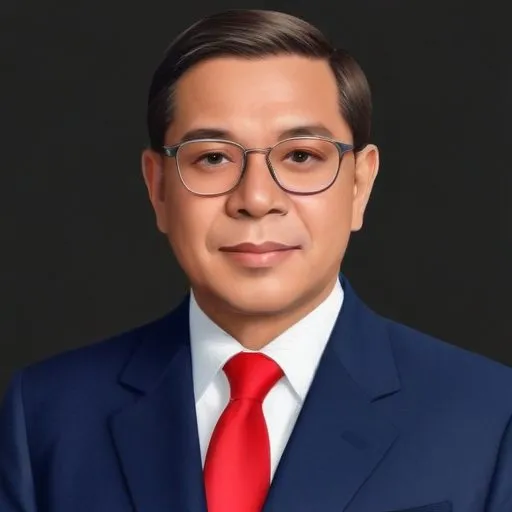
Sergio Osmea: The Illustrious Filipino Leader
A Lifetime of Public Service
Sergio Osmea Sr. is revered as the fourth President of the Philippines, serving from 1944 to 1946. He was a trailblazer, becoming the oldest person to assume the Philippine presidency at the age of 65, a record that stood until
Rodrigo Duterte took office in 2016.
Early Life and Education
Born on September 9, 1878, in Cebu, Philippines, Osmea's biological father was Don Antonio Sanson, a Chinese mestizo businessman. Due to his father's existing marriage, Osmea was considered illegitimate and took on his mother's surname, Juana Osmea y Suico.
Political Career
Osmea's political journey began as governor of Cebu from 1906 to 1907. He then became a member and first speaker of the Philippine House of Representatives from 1907 to 1922. For thirteen years, he served as a senator from the 10th senatorial district, holding the position of Senate president pro tempore.
Nacionalista Party and Vice Presidency
Osmea was a founder of the Nacionalista Party and served as Vice President under
Manuel L. Quezon. When Quezon suddenly passed away in 1944, Osmea succeeded him as President.
Legacy and Impact
As President, Osmea played a crucial role in rebuilding the country after World War II. He was the first Visayan to become president, paving the way for future leaders from the region.
Influence on Modern Society
Osmea's legacy extends beyond his political career. He was a devoted family man, and his descendants have continued to play significant roles in Philippine politics. His son, Sergio Osmea Jr., and grandsons, Sergio Osmea III and John Henry Osmea, have all held prominent positions in government.
Personal Milestones and Key Life Events
- 1899: Graduated from the University of San Carlos in Cebu with a degree in law
- 1906-1907: Governor of Cebu
- 1907-1922: Member and first speaker of the Philippine House of Representatives
- 1922-1935: Senator from the 10th senatorial district
- 1935: Nominated as running mate of Manuel L. Quezon for the presidential election
- 1941: Re-elected as Vice President
- 1944: Became the fourth President of the Philippines upon Quezon's death
- 1946: Stepped down as President after the country's independence was granted
Philosophical Contributions and Beliefs
Osmea's leadership was guided by his strong sense of duty and commitment to public service. He believed in the importance of education, infrastructure development, and economic growth for the country's progress.
Historical Context and Legacy
Osmea's presidency marked a significant turning point in Philippine history, as the country transitioned from being a commonwealth to an independent nation. His leadership during this period has left a lasting impact on the country's development.
Trivia and Fun Facts
- Osmea was known for his simplicity and humility, often traveling by foot or taking public transportation while in office
- He was a skilled lawyer and argued several cases before the Philippine Supreme Court
- Osmea was a prolific writer and published several articles on law, politics, and history
FAQ
What was Sergio Osmeñas role in Filipino politics?
Sergio Osmeña was a prominent Filipino lawyer and politician who served as the 4th President of the Philippines. He played a key role in shaping the countrys post-war reconstruction and development.
What were Sergio Osmeñas views on Philippine independence?
Sergio Osmeña was a strong advocate for Philippine independence and self-government. He believed that the Philippines should be free from foreign domination and able to chart its own course.
How did Sergio Osmeñas presidency impact the Philippines?
Sergio Osmeñas presidency had a significant impact on the Philippines, as he implemented various reforms and policies aimed at promoting economic growth, social justice, and national unity.
What was Sergio Osmeñas relationship with Manuel Quezon?
Sergio Osmeña had a close and complex relationship with Manuel Quezon, the first President of the Philippines. They worked together to promote Philippine independence and later became political rivals.
What was Sergio Osmeñas legacy in Filipino history?
Sergio Osmeñas legacy in Filipino history is marked by his commitment to Philippine independence, his leadership during a critical period in the countrys development, and his influence on generations of Filipino politicians and statesmen.