


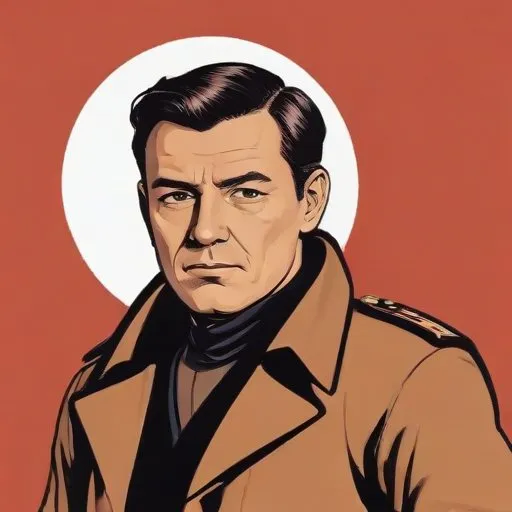
Led a British expedition to Peru in 1852-1853, which resulted in the discovery of the cinchona tree, whose bark is used to produce quinine, a treatment for malaria.
Sir Clements Robert Markham is renowned for his unwavering dedication to Antarctic exploration, serving as the secretary of the Royal Geographical Society (RGS) from 1863 to 1888, and later as its president for 12 years. During his tenure, he masterminded the British National Antarctic Expedition of 1901-1904, laying the groundwork for the polar career of Robert Falcon Scott, a prominent British explorer.
Born on July 20, 1830, in Stillingfleet, Yorkshire, England, Markham began his maritime career as a Royal Navy cadet and midshipman. During this period, he participated in one of the many searches for Sir John Franklin's ill-fated Arctic expedition, aboard HMS Assistance.
Markham's fascination with geography led him to serve as a geographer to the India Office, where he oversaw the collection and transplantation of cinchona plants from Peru to India. This endeavor enabled the Indian government to cultivate a local source of quinine, a vital medicine.
In 1868, Markham accompanied Sir Robert Napier's Abyssinian expeditionary force and witnessed the fall of Magdala. Later, as president of the RGS, he revived British interest in Antarctic exploration, which had lain dormant for 50 years. Markham's determination to organize the National Antarctic Expedition as a naval enterprise, under Scott's command, was met with resistance from the scientific community, but he persevered, ultimately paving the way for Scott's polar career.
Markham was an inveterate traveler and prolific writer, authoring numerous histories, travel accounts, and biographies. He contributed extensively to the RGS, editing and translating works for the Hakluyt Society, of which he also became president in 1890.
Although Markham's advocacy for Scott's career was unwavering, he was criticized for downplaying the achievements of other contemporary explorers. Nevertheless, his contributions to Antarctic exploration and geography remain unparalleled, earning him a permanent place in the annals of history.
Markham received numerous accolades for his services, including the Founder's Medal of the RGS in 1893 and the Royal Medal in 1909.
Markham's personal milestones include his marriage to Minna Chichester in 1857 and his knighthood in 1896. He passed away on January 30, 1916, leaving behind a legacy that continues to inspire geographers and explorers worldwide.
Sir Clements Markham's unwavering dedication to Antarctic exploration and geography has left an indelible mark on the world of discovery, inspiring generations of explorers and geographers to come.
Born in 1868
Led a British expedition to the South Pole, racing against a Norwegian team, and tragically perished on the return journey. He is remembered for his bravery and sacrifice in the pursuit of scientific discovery.
Born in 1874
Led expeditions to the Antarctic, famously surviving a disastrous shipwreck and trekking to safety, earning a legendary reputation for bravery and leadership.
Born in 1872
First person to reach the South Pole, leading a Norwegian expedition in 1911, and a pioneer in Arctic and Antarctic exploration.
Born in 1865
An American physician and explorer who led an expedition to the North Pole in 1908, claiming to be the first person to reach the pole, although his achievement was later disputed. He was a pioneer in Arctic exploration and wrote several books about his adventures.
Born in 1856
Led the first expedition to reach the North Pole, claiming its discovery in 1909. He's remembered for his bravery and perseverance in the face of extreme Arctic conditions.
Born in 1886
An English lieutenant and mountaineer who attempted to conquer Mount Everest in 1924, famously disappearing during the attempt, sparking a decades-long mystery. He's known for his bravery and pioneering spirit in exploration.
Born in 1902
British mountaineer who attempted to be the first to climb Mount Everest, but tragically disappeared during the expedition. He's famously known for his mysterious and untimely death on the mountain.
Born in 1863
Led British expeditions to Tibet, discovering hidden cities and mapping uncharted territories, earning fame as a daring explorer and cartographer.
