


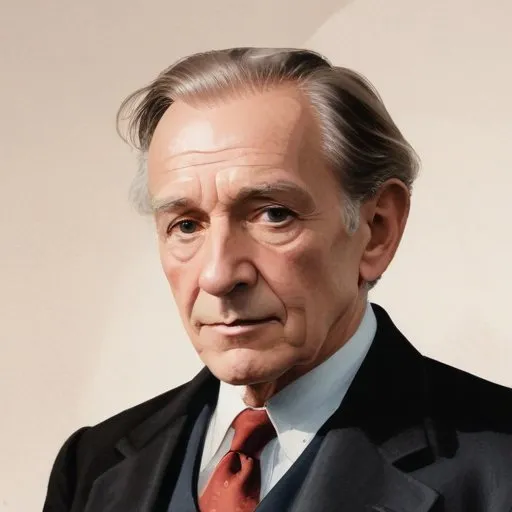
A pioneering LGBTQ+ voice in American literature, known for exploring themes of identity, desire, and social justice through poetry and criticism.
Clifton Snider, a renowned American poet, novelist, literary critic, scholar, and educator, left an indelible mark on the world of literature. With a diverse range of works and interests, Snider's contributions continue to inspire and influence scholars, writers, and readers alike.
Born on March 3, 1947, in Duluth, Minnesota, Snider was the second of five sons to Allan G. Snider, a minister with the Assemblies of God denomination, and Rhoda M. Tout, who had traveled as an evangelist with Olga Olsson before her marriage. Due to his father's profession, the family moved frequently, with Snider having lived in Minnesota, Illinois, Indiana, and southern California by the age of twelve.
Snider's educational pursuits took him to Southern California College (now Vanguard University), where he studied music and academics on scholarship. He later transferred to California State University, Long Beach, earning his B.A. with honors in 1969 and his M.A. in 1971. Snider completed his Ph.D. in English Literature in 1974 from the University of New Mexico, with a Jungian analysis of Swinburne's Tristram of Lyonesse as his doctoral dissertation.
Snider's academic career spanned several institutions in southern California, including Long Beach City College and California State University, Long Beach. He published numerous articles on Victorian literature, 20th-century English and American literatures, and introduced concepts of Jungian psychology or Analytical Psychology and criticism.
As a specialist in Oscar Wilde, Snider taught seminars on the author at California State University, Long Beach, and wrote several articles on Wilde's works. His expertise extended to authors such as W. H. Auden, Emily Dickinson, Edward Lear, Carson McCullers, Algernon Charles Swinburne, and Virginia Woolf.
Snider's own literary works include novels, poetry collections, and critical essays. His writing often explored themes of identity, morality, and the human condition, showcasing his mastery of language and form.
Clifton Snider's multifaceted contributions to literature have left a lasting impact on the academic and literary communities. His work continues to inspire new generations of scholars, writers, and readers, cementing his place as a prominent figure in American literary history.
Through his writing, teaching, and research, Snider has not only enriched our understanding of literature but has also contributed to a deeper appreciation of the human experience. His legacy serves as a testament to the power of literature to shape our understanding of ourselves and the world around us.
Clifton Snider passed away on October 24, 2021, leaving behind a rich literary legacy that will continue to inspire and educate for years to come.
As we reflect on Snider's remarkable life and achievements, we are reminded of the enduring power of literature to touch hearts, spark imagination, and challenge our perceptions. His work will continue to be a source of inspiration, a beacon of knowledge, and a testament to the transformative power of the written word.
Born in 1926
A leading figure of the Beat Generation, known for his poetry that explores themes of nonconformity, free expression, and social justice. His iconic poem "Howl" is a classic of American literature.
Born in 1922
Pioneering figure of the Beat Generation, known for spontaneous, confessional, and poetic writings that captured the essence of American counterculture in the 1950s and 60s.
Born in 1914
A pioneering figure of the Beat Generation, known for experimental and provocative works that blended fiction and reality, pushing boundaries of literature and art.
Born in 1919
A Beat Generation icon who co-founded the legendary City Lights Bookstore, a hub for counterculture and free speech, and penned poetry that captured the spirit of rebellion and nonconformity.
96 Years Old
Beat poet of the 1950s and 60s, known for his spontaneous, conversational style and rebellious, nonconformist spirit. His poetry often explored themes of alienation, social disillusionment, and the search for authenticity.
Born in 1926
Author of the 1952 novel "Go" and a prominent figure in the Beat Generation, known for his contributions to the literary movement that celebrated nonconformity and spontaneity.
96 Years Old
A Beat Generation icon, known for blending spirituality and ecology in poetry and essays that explore humanity's relationship with nature.
