


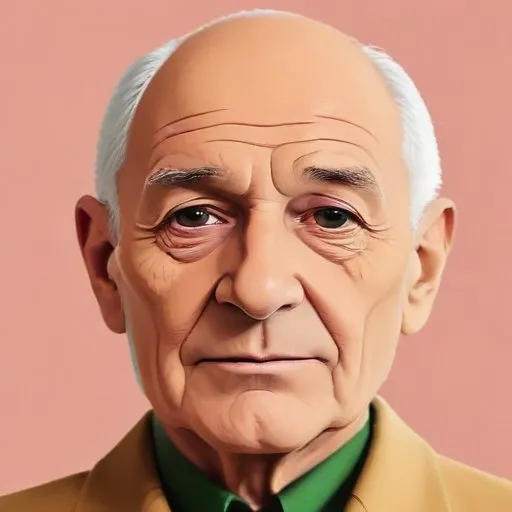
A German-Swiss artist renowned for his innovative and often provocative sculptures, installations, and prints that blurred the lines between art and everyday life. He's famous for using unconventional materials like rotting food and fat.
Dieter Roth, a Swiss artist, left an indelible mark on the art world with his unconventional and pioneering works that challenged traditional formats and explored the transience of life. He is renowned for his innovative use of found materials, including rotting foodstuffs, to create biodegradable artworks that evolved over time, reflecting his fascination with transformation and impermanence.
Born Karl Dietrich Roth on April 21, 1930, in Hannover, Germany, Dieter Roth's early life was marked by upheaval and exile. During World War II, he was sent to live with a family in Zurich, Switzerland, where he was immersed in an environment of artistic expression and encouraged to explore his creativity.
Roth's artistic journey was shaped by his collaborations with other artists and his involvement with the Fluxus movement, a collective of avant-garde artists who sought to break down the boundaries between art and life. He co-founded the magazine Spirale, which became a platform for experimental art and poetry.
Roth's most significant contribution to the art world was his innovative approach to artists' books. He challenged traditional formats by creating books that allowed readers to interact with and rearrange pages, blurring the lines between artist and viewer.
Roth's artistic practice was characterized by his use of found materials, including newspapers, magazines, and even rotting foodstuffs. His iconic work, Insel, combined foodstuffs with various materials, exemplifying his unique perspective on transformation and impermanence.
Throughout his career, Roth pushed the boundaries of art, challenging conventional notions of creativity and beauty. His work continues to inspire and provoke, leaving a lasting impact on the art world.
Roth's life was marked by significant events that shaped his artistic vision and practice. His experiences during World War II, including his exile and reunification with his family, had a profound impact on his worldview and creative expression.
Roth's artistic philosophy was rooted in his fascination with the ephemeral nature of life and art. He believed in the importance of challenging conventional norms and embracing the impermanence of creative expression.
Dieter Roth's remarkable life and artistic achievements continue to inspire and influence artists, challenging them to push the boundaries of creativity and innovation.
Born in 1888
A pioneering Dadaist and Surrealist, he explored the intersection of art and film, creating innovative experimental works that pushed boundaries. His avant-garde style influenced generations of artists and filmmakers.
Born in 1906
A pioneer of Op Art, creating mesmerizing patterns and shapes that play with perception, influencing modern design and art.
Born in 1887
A pioneering artist who challenged conventional norms by submitting a urinal as art, sparking a revolution in conceptual art and questioning the very definition of art itself.
Born in 1890
A pioneer of avant-garde photography, this artist experimented with techniques like solarization and rayography, creating surreal, dreamlike images that blurred the line between art and photography.
Born in 1887
A pioneer of Dadaism, creating avant-garde collages and assemblages that blurred the lines between art and everyday life. His innovative approach to art paved the way for future generations of artists .
Born in 1889
A pioneering abstract artist, she merged Dadaism and Constructivism, creating vibrant, geometric works that blurred boundaries between art and design. Her innovative style influenced modern art movements.
Born in 1886
A pioneer of Dadaism and Surrealism, this artist created abstract sculptures and paintings that explored the relationship between chance and creativity. Their work continues to inspire artists and designers today.
