


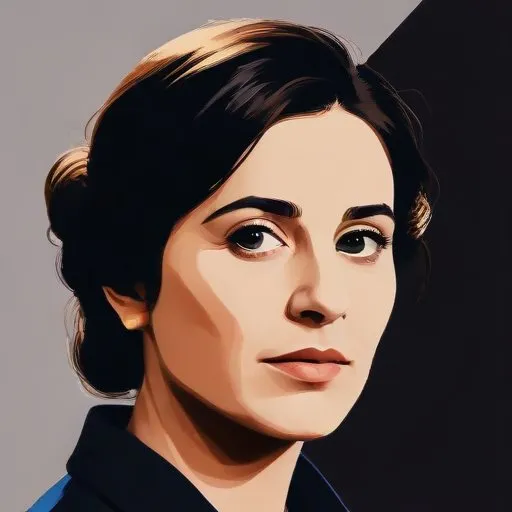
An 18th-century Italian composer, she wrote operas and sacred music, contributing to the development of classical music. Her works showcase her mastery of harmony and melody.
Known for her captivating orchestral works, Elisabetta Brusa is an Italian-British composer whose pieces have been widely acclaimed for their unique blend of NeoTonality and NeoRomanticism. With a prolific career spanning over four decades, Brusa has made significant contributions to the world of classical music, leaving an indelible mark on the industry.
Born on April 3, 1954, in Milan, Italy, Brusa demonstrated a prodigious talent for music from a young age. As a child, she wrote 32 piano pieces, foreshadowing her future as a composer. She pursued her passion at the Milan Conservatory, where she studied Composition under the guidance of Bruno Bettinelli, a renowned Italian composer. Bettinelli's tutelage had a profound impact on Brusa's development, as he was instrumental in shaping her musical style.
Brusa's professional career took off in the 1980s, with her winning first prize at the Washington International Competition for Composition for String Quartet in 1982. This achievement was followed by a string of prestigious awards, including the Fromm Music Foundation Fellowship and a Fellowship of the U.S.-Italy Fulbright Commission. These accolades enabled her to further hone her craft, particularly during her time at the Tanglewood Music Center.
Some of Brusa's most notable works include:
These compositions, among many others, have been recorded in five volumes on the Naxos Records label, cementing Brusa's reputation as a prolific and innovative composer.
Brusa's music is characterized by its unique blend of NeoTonality and NeoRomanticism, reflecting her fascination with the intersection of literature, art, and music. Her compositions often draw inspiration from literary and artistic masterpieces, yet she eschews direct quotation or imitation, instead opting to create original works that pay homage to the masters.
Through her music, Brusa seeks to evoke emotions, spark imagination, and bridge the gap between different art forms. Her philosophy is rooted in the belief that music has the power to transcend boundaries, fostering a deeper understanding and appreciation of human experience.
In 1997, Brusa married Gilberto Serembe, a conductor who has been instrumental in promoting her work. This union has been a source of inspiration, with Brusa often dedicating her compositions to her husband.
Brusa's contributions to classical music have had a profound impact on modern society. Her works have inspired a new generation of composers, encouraging them to experiment with innovative styles and techniques. Furthermore, her music has brought people together, transcending cultural and linguistic barriers.
Through her dedication to her craft, Brusa has paved the way for women in the male-dominated field of composition, serving as a beacon of inspiration for female musicians and composers worldwide.
Elisabetta Brusa's legacy is one of innovation, creativity, and passion. Her music has left an indelible mark on the world of classical composition, inspiring generations to come. As a trailblazer in her field, Brusa continues to push the boundaries of what is possible, ensuring that her music remains a vital part of our cultural heritage.
Born in 1710
A Baroque composer, violinist, and organist who made significant contributions to the development of opera and sacred music, particularly with his famous "Stabat Mater" composition.
Born in 1714
A prominent composer of the Neapolitan School, he wrote over 80 operas and was a key figure in the transition between the Baroque and Classical periods. His music was known for its dramatic intensity and expressive melodies.
Born in 1749
An 18th-century Italian composer and educator, known for his operas and sacred music, particularly his comic operas that showcased his mastery of melody and harmony.
Born in 1756
A child prodigy and master of classical music, he composed over 600 works, including symphonies, operas, and chamber music, that continue to inspire and influence musicians today.
Born in 1714
A pioneering opera composer who revolutionized the art form with his innovative and expressive works, blending music and drama in a way that captivated audiences.
Born in 1678
A virtuosic violinist and prolific composer, he crafted over 400 concertos, including "The Four Seasons," which remains a beloved and iconic masterpiece of classical music.
Born in 1685
A renowned Baroque composer and organist, famous for creating majestic orchestral suites, operas, and oratorios, including the iconic "Messiah" masterpiece.
Born in 1685
A master of Baroque music, he composed over 1,000 works, including orchestral suites, cantatas, and passions, that still inspire and influence musicians today. His innovative use of counterpoint and harmony raised the bar for classical music.
