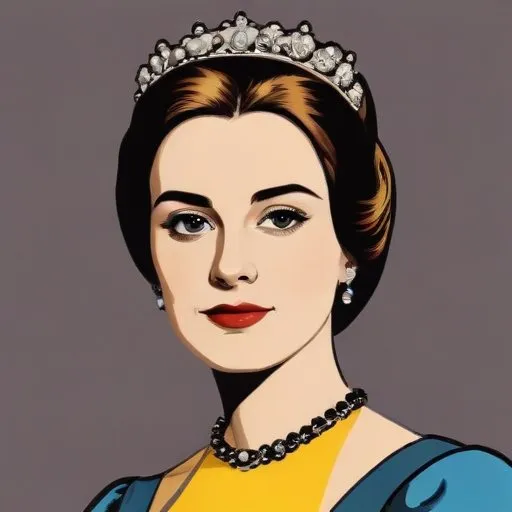
Frances Grey, Duchess of Suffolk: The Matriarch of the Tudor Court
A Life of Royal Connections and Family Triumphs
Frances Grey, Duchess of Suffolk, was a prominent figure in the Tudor Court, known for her royal connections and her role as the mother of Lady Jane Grey, the de facto Queen of England and Ireland for nine days in 1553. As the daughter of Princess Mary, sister of King Henry VIII, and Charles Brandon, 1st Duke of Suffolk, Frances was born into a life of privilege and power.
Early Life and Family Ties
Frances Brandon was born on 16 July 1517 in Hatfield, Hertfordshire, England. Her uncommon name was reportedly inspired by St. Francis of Assisi, although some historians believe it was a nod to Francis I, the French king. Her godmothers,
Catherine of Aragon and Mary, were both prominent figures in the Tudor Court, further solidifying Frances' connections to the royal family.
Frances spent her childhood in the care of her mother, Mary Tudor, at Westhorpe, Suffolk. Her father, Charles Brandon, had been married at least twice before, and his marriage to Mary Tudor was only legitimized in 1528, when Frances was 11 years old.
Marriage and Motherhood
In 1533, Frances married Henry Grey, Marquess of Dorset, at Suffolk Place, a mansion owned by her parents. This marriage produced three surviving daughters: Lady Jane Grey, Lady Katherine Grey, and Lady Mary Grey. Tragedy struck early, as her first two pregnancies resulted in the births of a son and a daughter, both of whom died at a young age.
A Life of Royal Intrigue
Frances' life was deeply entwined with the Tudor Court, and her family's connections to the throne made her a key player in the intrigue surrounding the royal family. Her daughter, Lady Jane Grey, was proclaimed Queen of England and Ireland in 1553, although her reign was short-lived, lasting only nine days.
Frances' own life was marked by controversy, as she navigated the treacherous waters of court politics and royal favor. Her family's fortunes rose and fell with the whims of the monarch, and Frances was forced to adapt to the changing tides of power.
Legacy and Impact
Frances Grey, Duchess of Suffolk, left an indelible mark on the Tudor Court and the course of English history. Her family's legacy continued to shape the country for generations to come, and her own life serves as a testament to the complex and often treacherous nature of royal politics.
- Frances' daughter, Lady Jane Grey, was a prominent figure in the Tudor Court and a symbol of Protestant resistance.
- Her family's connections to the throne made them key players in the intrigue surrounding the royal family.
- Frances' life serves as a testament to the complex and often treacherous nature of royal politics.
Personal Milestones and Key Life Events
- 1517: Born on 16 July at Hatfield, Hertfordshire, England.
- 1528: Father's marriage to Mary Tudor is legitimized, solidifying Frances' place in the Tudor family.
- 1533: Marries Henry Grey, Marquess of Dorset, at Suffolk Place.
- 1553: Daughter Lady Jane Grey is proclaimed Queen of England and Ireland.
- 1559: Dies on 20 November, at the age of 42.
Historical Context and Legacy
Frances Grey, Duchess of Suffolk, lived during a time of great upheaval and change in the Tudor Court. Her life was marked by the tumultuous reigns of Henry VIII,
Edward VI, and Mary I, and her family's fortunes rose and fell with the whims of the monarch. Despite the challenges she faced, Frances remained a steadfast presence in the court, and her legacy continues to fascinate historians and scholars to this day.
FAQ
What was Frances Greys role in the Tudor dynasty?
Frances Grey, Duchess of Suffolk, was a member of the Tudor dynasty, being the sister of Lady Jane Grey, who briefly held the English throne. She was also the mother of Lady Margaret Hoby, a prominent figure in the Elizabethan court.
How did Frances Greys marriage shape her life?
Frances Greys marriage to Henry Dudley, Duke of Suffolk, had a profound impact on her life. As Duchess, she played a significant role in court politics, and her marriage was marked by both triumph and tragedy.
What was Frances Greys relationship with Lady Jane Grey?
Frances Grey was extremely close to her sister, Lady Jane Grey, who was proclaimed Queen of England in 1553. The sisters shared a strong bond, and Frances played a significant role in promoting Janes claim to the throne.
How did Frances Greys life reflect the turbulent times of the 16th century?
Frances Greys life was marked by the turmoil and upheaval of the 16th century. She lived through the reigns of multiple monarchs, including Edward VI, Mary I, and Elizabeth I, and navigated the complexities of court politics during this time.
What is Frances Greys legacy in English history?
Frances Grey, Duchess of Suffolk, left a lasting legacy in English history. As a member of the Tudor dynasty, she played a significant role in shaping the course of the monarchy, and her story continues to fascinate historians and scholars today.