


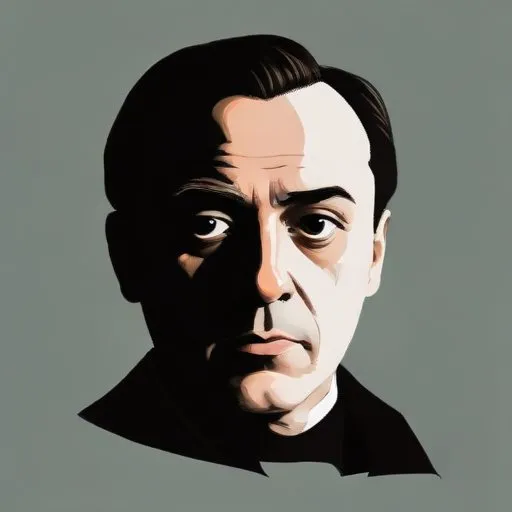
An 18th-century Italian playwright and critic, known for his witty satirical plays and influential literary reviews that shaped the country's theatrical scene. He's a prominent figure in Italian literary history, leaving a lasting impact on the nation's cultural heritage.
Gasparo Gozzi, a prominent Venetian critic and dramatist, is renowned for his thought-provoking works that delved into the human condition, morality, and society. His magnum opus, the Dialoghi dell'isola di Circe (Dialogues from Circe's Island), is a testament to his exceptional literary prowess.
Born on December 4, 1713, in Venice, Italy, Gasparo Gozzi was the first of eleven children to Count Jacopo Antonio Gozzi and Angela Tiepolo, a noblewoman. He received his early education at home with private tutors before attending the College of Murano, where he developed a solid foundation in liberal arts, mathematics, and law.
In 1739, Gozzi married the poet Luisa Bergalli, with whom he had five children. His passion for literature led him to manage the theatre of Sant'Angelo in Venice, alongside his wife, from 1747 to 1748. Although the venture was short-lived due to financial constraints, it marked the beginning of his journey as a dramatist.
Published between 1760 and 1764, Gozzi's Dialoghi dell'isola di Circe consists of 14 prose dialogues that explore the human condition, drawing inspiration from Giovan Battista Gelli's La Circe. In this work, Gozzi presents a thought-provoking critique of society, where mythical creatures and figures from fable are transformed into beasts, reflecting their true nature.
The dialogues feature Ulysses, who is granted permission by Circe to converse with the transformed creatures on her island. The exception is the bear, a satirist who had criticized Circe and was transformed as punishment. The bear's character is often seen as a representation of Gozzi himself, yearning to reclaim his human form.
In 1760, Gozzi launched the Gazzetta Veneta, a Venetian newspaper that aimed to provide news and commentary on local and international events. This venture marked a significant milestone in his career, solidifying his reputation as a writer and critic.
Gasparo Gozzi passed away on December 26, 1786, leaving behind a legacy of thought-provoking works that continue to inspire and influencing generations of writers and thinkers.
Gozzi's contributions to literature, drama, and social commentary have had a lasting impact on Venetian culture and beyond. His works continue to be studied and admired for their insight into the human condition, morality, and societal ills.
Through his writing, Gozzi encouraged readers to reflect on their own values and principles, offering a unique perspective on the complexities of human nature. As a testament to his enduring influence, his works remain a vital part of Italy's rich literary heritage.
These quotes, attributed to Gasparo Gozzi, encapsulate his philosophical views on perseverance, self-improvement, and the importance of exploration and experience.
Gozzi's works continue to inspire contemporary writers, critics, and scholars. His thought-provoking dialogues and dramas offer valuable insights into the human condition, making him a relevant and important figure in the world of literature and beyond.
In conclusion, Gasparo Gozzi was a visionary Venetian critic and dramatist whose works have left an indelible mark on literature, drama, and social commentary. His legacy continues to inspire and influence generations, solidifying his position as one of the most important figures in Italy's rich cultural heritage.
Born in 1707
Wrote over 150 comedies that revitalized Italian theatre, introducing realistic characters and satire, influencing the development of comedy and opera.
Born in 1698
A renowned 18th-century poet and librettist, he penned opera texts that captivated European audiences, shaping the genre with his lyrical and dramatic flair.
Born in 1660
Baroque-era mastermind behind over 600 cantatas, operas, and orchestral works, shaping the course of classical music with his innovative style and harmonic genius.
Born in 1710
A Baroque composer, violinist, and organist who made significant contributions to the development of opera and sacred music, particularly with his famous "Stabat Mater" composition.
Born in 1714
A prominent composer of the Neapolitan School, he wrote over 80 operas and was a key figure in the transition between the Baroque and Classical periods. His music was known for its dramatic intensity and expressive melodies.
Born in 1706
A renowned 18th-century Italian harpsichord virtuoso and composer, celebrated for his operas and concertos that blended elegance with emotional depth. His music continues to inspire and influence classical music enthusiasts today.
Born in 1749
An 18th-century Italian composer and educator, known for his operas and sacred music, particularly his comic operas that showcased his mastery of melody and harmony.
Born in 1750
A renowned 18th-century composer and conductor, known for his operas and rivalry with Mozart, as depicted in the movie Amadeus.
