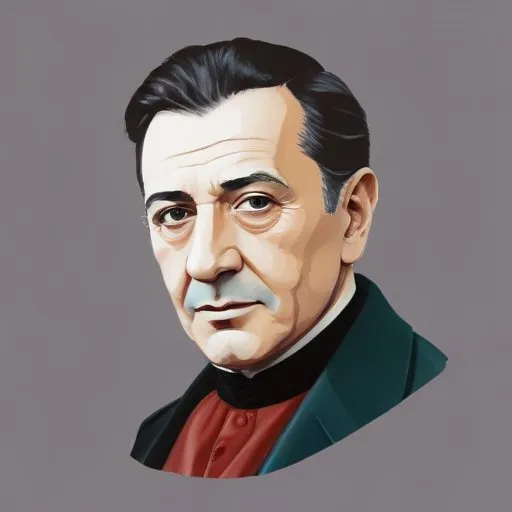
Geminiano Giacomelli: The Maestro of Opera
Geminiano Giacomelli is celebrated as one of the most prolific and revered opera composers of the 18th century, with a repertoire of 19 operas that mesmerized audiences across Europe. Born on May 28, 1692, in Piacenza, Italy, Giacomelli's mastery of opera seria, a genre characterized by complex plots and ornate music, earned him acclaim and admiration from royalty, nobility, and the common folk alike.
Early Life and Career
Giacomelli's fascination with music began at a young age, and he soon found himself studying with some of the most prominent musicians of his time. In 1724, he was appointed as the Kapellmeister to the Duke of Parma, a position that catapulted him to fame with the premiere of his opera,
Ipermestra. This success paved the way for a slew of commissions, and Giacomelli went on to compose operas for various cities, including Venice, Milan, and Rome.
Operatic Masterpieces
Giacomelli's oeuvre is marked by its grandeur, complexity, and emotional depth. Some of his most renowned operas include:
- Cesare in Egitto (1735), a masterpiece that solidified his reputation as a master of opera seria
- Scipione in Cartagine (1727), a testament to his ability to craft intricate plots and characters
- Gianguir (1729), a tale of love, loyalty, and sacrifice that showcased his skill in crafting poignant arias
Sacred Music and Concertos
In addition to his operatic endeavors, Giacomelli also made significant contributions to the realm of sacred music. His output includes eight psalm settings for tenor and bass, as well as concertos with continuo. These works demonstrate his versatility and ability to adapt to different genres and styles.
Later Life and Legacy
In 1738, Giacomelli assumed the role of Kapellmeister at the Basilica della Santa Casa in Loreto, where he remained until his untimely death on January 25, 1740. Despite his relatively short career, Giacomelli left an indelible mark on the world of opera, paving the way for future generations of composers. His music continues to captivate audiences today, with recordings and performances that pay tribute to his genius.
Trivia and Fun Facts
- Giacomelli's opera L'Artaserse was performed in Pisa in 1734, featuring a libretto by Metastasio, one of the most prominent librettists of the time
- He collaborated with Handel on the pasticcio Lucio Papirio dittatore, which premiered in London in 1732
Recordings and Performances
Giacomelli's music has been revived in recent years, with notable recordings and performances that showcase his mastery of the opera seria genre. Some notable examples include:
- Fiamma vorace, an album featuring opera arias performed by countertenor Flavio FerriBenedetti and Musica Fiorita
Influence on Modern Society
Giacomelli's contributions to the world of opera have had a lasting impact on modern society. His innovative use of harmony, melody, and libretto continues to inspire composers, musicians, and audiences alike. His legacy serves as a testament to the power of music to transcend time and cultural boundaries.
FAQ
What was Geminiano Giacomellis role in Italian music?
Geminiano Giacomelli was an Italian composer and music teacher who played a significant role in the development of Italian opera and classical music during the 18th century. He composed several operas and sacred works, and his music was performed throughout Italy and Europe.
What were Geminiano Giacomellis contributions to opera?
Geminiano Giacomelli was a prolific composer of opera, writing over 20 works for the stage. His operas were known for their lyricism and drama, and he was praised by contemporaries for his mastery of vocal writing.
How did Geminiano Giacomellis music reflect the Baroque style?
Geminiano Giacomellis music was characteristic of the Baroque style, with complex harmonies, ornate ornamentation, and a strong sense of drama and emotion. His music reflected the grandeur and opulence of the Baroque era, and his operas were often performed in lavish productions.
What was Geminiano Giacomellis relationship with other composers?
Geminiano Giacomelli was part of a network of prominent composers in Italy, including Antonio Vivaldi and Nicola Porpora. He collaborated and corresponded with these composers, contributing to the development of Italian music during the 18th century.
What is Geminiano Giacomellis legacy in Italian music?
Today, Geminiano Giacomelli is remembered as a significant figure in Italian music, particularly in the development of opera and classical music. His contributions to the Baroque style and his influence on later generations of composers continue to be celebrated and studied by scholars and music lovers.