


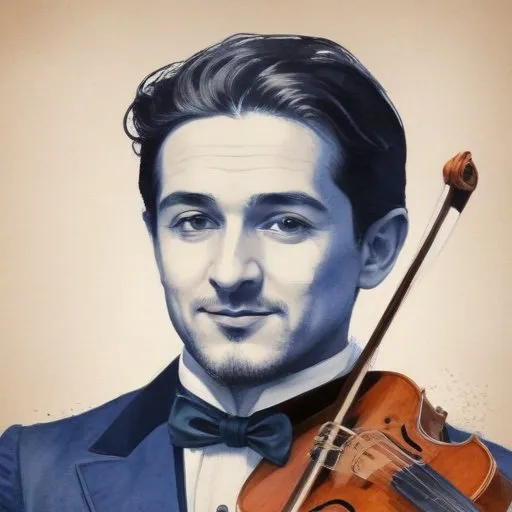
A virtuosic violinist and prolific composer, he wrote over 60 concertos and numerous chamber music works, leaving a lasting impact on the classical music landscape.
Giovanni Battista Somis, born on December 25, 1686, was an Italian violinist and composer of the Baroque music era, renowned for his innovative and emotive playing style, which propelled the art of violin playing forward. His eight opus numbers, comprising sonatas for violin and figured bass, trio sonatas, and chamber works, showcased his mastery of the instrument and left an indelible mark on the music world.
Somis studied under the great Arcangelo Corelli between 1703 and 1706 or 1707, laying the foundation for his remarkable career. This tutelage played a significant role in shaping his unique style, which blended technical brilliance with emotional depth.
In recognition of his talent, Somis was appointed solo violinist to the king at Turin and leader of the royal band. He rarely left Turin after these appointments, dedicating himself to his craft and composing numerous works. A notable exception was his trip to Paris in 1731, where he performed at the Concert Spirituel, earning praise in the April 1733 issue of Le Mercure.
Somis' published works include:
Somis' teaching legacy is impressive, with notable students including Jean-Marie Leclair, Felice Giardini, Louis-Gabriel Guillemain, Chabran, and Gaetano Pugnani. He forms a crucial link between the classical schools of Italy and France, leaving an enduring impact on the development of violin playing and composition.
Somis passed away on August 14, 1763, in Turin, leaving behind a rich legacy of music that continues to inspire and delight audiences today.
Born in 1678
A virtuosic violinist and prolific composer, he crafted over 400 concertos, including "The Four Seasons," which remains a beloved and iconic masterpiece of classical music.
Born in 1685
A master of Baroque music, he composed over 1,000 works, including orchestral suites, cantatas, and passions, that still inspire and influence musicians today. His innovative use of counterpoint and harmony raised the bar for classical music.
Born in 1653
A virtuosic violinist and composer who revolutionized the concerto grosso form, creating a new era of classical music. His influential works elevated the violin to a solo instrument, shaping the course of Western classical music.
Born in 1692
A virtuosic violinist and composer who wrote over 150 concertos and sonatas, known for his technically demanding and expressive works that showcased his mastery of the instrument.
Born in 1782
A virtuosic violinist and composer who revolutionized the instrument's technical possibilities, leaving an indelible mark on classical music.
Born in 1756
A child prodigy and master of classical music, he composed over 600 works, including symphonies, operas, and chamber music, that continue to inspire and influence musicians today.
Born in 1770
A musical genius who expanded the possibilities of classical music, creating iconic symphonies and piano sonatas that continue to inspire and influence generations of artists.
Born in 1809
A renowned 19th-century musician who masterfully blended classical and romantic styles, creating iconic works like the "Wedding March" and "Elijah" oratorio. His compositions continue to inspire and influence generations of artists.
