


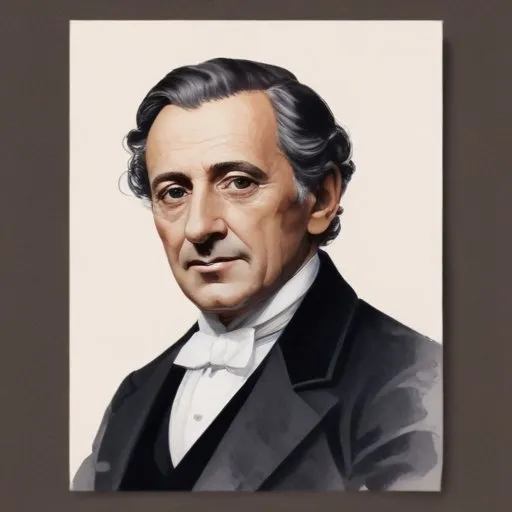
Austrian composer of operas and sacred music, known for his contributions to the development of the classical symphony. His works were highly regarded by Haydn and Mozart.
Giuseppe Bonno was an Austrian composer of Italian origin, known for his contributions to the world of opera and sacred music in the 18th century. Born in Vienna in 1711, Bonno was a prominent figure in the city's musical life, composing over 40 operas and numerous sacred works that were widely performed during his lifetime.
Bonno was born into a family of modest means, his father being a footman from Brescia who served at the Austrian court. Despite these humble beginnings, Bonno's talent for music was recognized early, and he was sent to study with Johann Georg Reinhardt, the imperial court organist.
Later, Bonno traveled to Naples to study church music under the renowned Francesco Durante and opera under Leonardo Leo. This Italian sojourn had a profound impact on Bonno's compositional style, which blended the lyricism of Italian opera with the grandeur of Austrian music.
Bonno's return to Vienna in 1736 marked the beginning of a distinguished career as a court composer. He worked as Kapellmeister to the Prince of Saxe-Hildburghausen in the 1750s and 1760s, composing operas and sacred works that were performed at the prince's court.
In 1774, Bonno was appointed Imperial court conductor to Joseph II, a position he held until his death in 1788. During this period, he composed music for the imperial court, including operas and oratorios that showcased his mastery of the genre.
Bonno's music was often performed in collaboration with prominent librettists of the time, including Giovanni Claudio Pasquini and Metastasio. The latter was a close contemporary and friend, and Bonno wrote several operas to Metastasio's librettos, including Il natale di Giove, Il vero omaggio, and L'eroe cinese.
Bonno's music also influenced other composers of his time, including Haydn and Mozart, who set Metastasio's librettos to music in the years following Bonno's death.
Despite his significant contributions to the world of opera and sacred music, Bonno's music is rarely heard today. However, his legacy lives on in the many composers who were influenced by his work, and in the rich cultural heritage of Viennese opera.
In a curious twist, Bonno appears as a silent supporting character in Peter Shaffer's play Amadeus, a testament to his enduring presence in the cultural imagination.
These works represent just a few of the many operas and oratorios that Bonno composed during his lifetime. Despite being largely forgotten today, they remain an important part of the cultural heritage of Viennese opera.
Born in 1714
A pioneering opera composer who revolutionized the art form with his innovative and expressive works, blending music and drama in a way that captivated audiences.
Born in 1714
A prominent composer of the Neapolitan School, he wrote over 80 operas and was a key figure in the transition between the Baroque and Classical periods. His music was known for its dramatic intensity and expressive melodies.
Born in 1710
A Baroque composer, violinist, and organist who made significant contributions to the development of opera and sacred music, particularly with his famous "Stabat Mater" composition.
Born in 1728
An 18th-century Italian composer and educator, known for his operas and influence on the development of classical music. He was a prominent figure in the Neapolitan school of opera composition.
Born in 1750
A renowned 18th-century composer and conductor, known for his operas and rivalry with Mozart, as depicted in the movie Amadeus.
Born in 1756
A child prodigy and master of classical music, he composed over 600 works, including symphonies, operas, and chamber music, that continue to inspire and influence musicians today.
Born in 1732
A renowned composer and pianist of the Classical period, known for his symphonies, operas, and chamber music that showcased his innovative and expressive style. He played a significant role in shaping the Classical music era.
Born in 1770
A musical genius who expanded the possibilities of classical music, creating iconic symphonies and piano sonatas that continue to inspire and influence generations of artists.
