


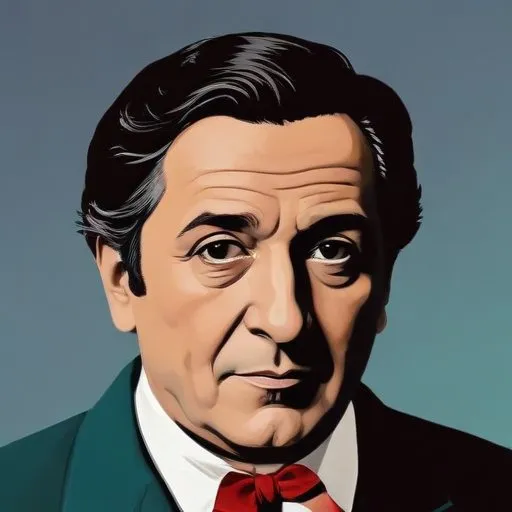
An 18th-century Baroque composer, known for his operas and sacred music, particularly his oratorios and cantatas. He was a prominent figure in the Italian music scene during his time.
Giuseppe Maria Orlandini is renowned for his remarkable contribution to the world of Baroque opera, composing over 40 operas and intermezzos that dominated the 18th century's musical landscape. Alongside Antonio Vivaldi, Orlandini is regarded as one of the pioneers of the new style of opera that captivated audiences during this era.
Born in Florence in 1676, Orlandini began his musical journey in his late twenties, working as an opera composer for Prince Ferdinando de Medici. His debut opera, Artaserse, premiered in Livorno in 1706, receiving moderate acclaim and later being revived in Naples in 1708.
Orlandini's career took a significant turn in 1711 when he became the maestro di cappella to Prince Gian Gastone, later the Duke of Tuscany. This prestigious appointment paved the way for his relocation to Bologna in 1717, where he met and married opera singer Maria Maddalena Buonavia.
Orlandini's breakthrough came with the premiere of his opera Antigona in Venice during the 1718 carnival season. The work's resounding success led to performances throughout Europe, solidifying his reputation as a master composer. Another notable work, the intermezzo Il marito giocatore, premiered in Venice in 1719 and became one of the most frequently performed musical dramas of the 18th century.
The year 1721 marked a creative peak for Orlandini, with the premieres of his opera Arsace in London and Nerone in Venice, both receiving widespread critical acclaim. These works, along with his other compositions, cemented his position as a leading composer of his time.
In 1732, Orlandini returned to Florence to assume the role of maestro di cappella for the Medici court and the Basilica di Santa Maria. This position allowed him to continue his creative pursuits while serving the esteemed Medici family.
Giuseppe Maria Orlandini's contributions to the world of Baroque opera remain unparalleled. His compositions continue to inspire and influence music historians, performers, and enthusiasts alike, solidifying his legacy as one of the greatest composers of his era.
Through his remarkable body of work, Giuseppe Maria Orlandini has left an indelible mark on the world of music, ensuring that his legacy will continue to resonate for generations to come.
Born in 1678
A virtuosic violinist and prolific composer, he crafted over 400 concertos, including "The Four Seasons," which remains a beloved and iconic masterpiece of classical music.
Born in 1710
A Baroque composer, violinist, and organist who made significant contributions to the development of opera and sacred music, particularly with his famous "Stabat Mater" composition.
Born in 1714
A prominent composer of the Neapolitan School, he wrote over 80 operas and was a key figure in the transition between the Baroque and Classical periods. His music was known for its dramatic intensity and expressive melodies.
Born in 1740
An 18th-century Italian composer and educator, known for his operas and contributions to the development of classical music. His works were widely performed and admired by European royalty and aristocracy.
Born in 1749
An 18th-century Italian composer and educator, known for his operas and sacred music, particularly his comic operas that showcased his mastery of melody and harmony.
Born in 1728
An 18th-century Italian composer and educator, known for his operas and influence on the development of classical music. He was a prominent figure in the Neapolitan school of opera composition.
Born in 1714
A pioneering opera composer who revolutionized the art form with his innovative and expressive works, blending music and drama in a way that captivated audiences.
Born in 1756
A child prodigy and master of classical music, he composed over 600 works, including symphonies, operas, and chamber music, that continue to inspire and influence musicians today.
