


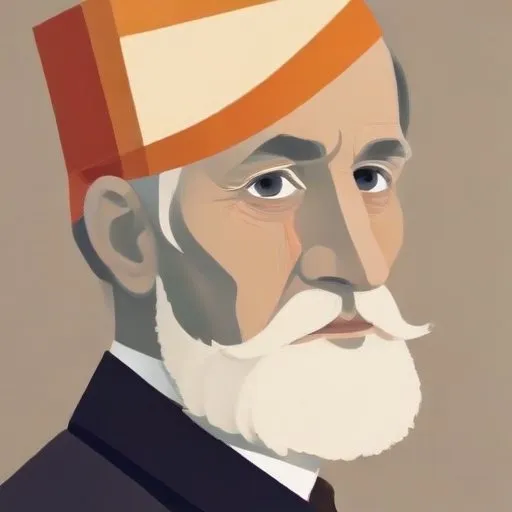
Heinrich Bert, an Austrian-Hungarian composer, is celebrated for his mesmerizing operas and operettas, most notably, the worldwide sensation, Das Dreimäderlhaus. This iconic work, which premiered in Vienna in 1916, is a masterful blend of Franz Schubert's music with Bert's own creative genius, transporting audiences to a bygone era of elegance and romance.
Born Heinrich Bettelheim on May 8, 1858, in Galgocz, Hungary (now Hlohovec, Slovakia), Bert grew up in a Jewish family. His early forays into music composition were marked by relative obscurity, with several unsuccessful ballets and an opera.
The turning point in Bert's career came in 1911, when he was approached by Alfred Maria Willner, a writer, with a libretto for an opera about Franz Schubert. Initially, Bert was asked to use Schubert's music in a pastiche, but his arrangement of Das Dreimäderlhaus would go on to become a global phenomenon. The operetta, which premiered at the Raimund Theater in Vienna on January 15, 1916, catapulted Bert to fame, with its enchanting melodies and captivating storyline.
The operetta's success knew no bounds, being translated into 22 languages and performed in over 60 countries. Its international appeal was further solidified with productions in New York City (1921) and London (1922), under the titles Blossom Time and Lilac Time, respectively.
Bert's work continues to captivate audiences with its timeless charm and elegance. His operetta, Das Dreimäderlhaus, has been adapted into several films, solidifying its place in the annals of cultural history. Although Bert could not replicate the success of Das Dreimäderlhaus with his subsequent works, his contribution to the world of opera and operetta remains invaluable.
Heinrich Bert passed away on August 23, 1924, in Perchtoldsdorf, Austria, leaving behind a legacy that continues to enchant and inspire generations of music lovers.
Born in 1833
A renowned pianist and composer, he crafted complex, expressive works that blended traditional and innovative techniques, leaving an indelible mark on classical music.
Born in 1811
A virtuosic pianist and composer who revolutionized classical music with his technically demanding and emotionally expressive works, blending Hungarian folk influences with Romantic-era drama.
Born in 1864
A renowned composer and conductor of the late Romantic era, known for his tone poems and operas that showcased his mastery of orchestration and expressive storytelling.
Born in 1860
A visionary composer and conductor who expanded symphonic music's emotional depth and complexity, creating works of profound beauty and intensity.
Born in 1841
A Czech composer and academic who blended folk influences with classical music, creating iconic works like the "New World Symphony".
Born in 1824
A Czech pianist and composer who is often referred to as the father of Czech national music, known for his operas and symphonic poems that evoke a strong sense of national identity.
Born in 1860
A Slovene-Austrian composer who expanded the art of songwriting by setting poetic lyrics to music, creating a new level of emotional intensity and depth. His innovative compositions continue to influence classical music today.
Born in 1897
A child prodigy turned Hollywood legend, he composed iconic film scores, including the swashbuckling adventures of Errol Flynn, and is revered for his lush, romantic music.
