


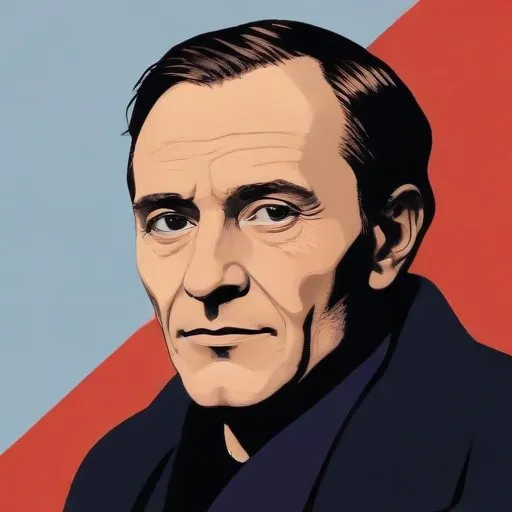
Estonian poet and educator who wrote over 1,000 poems and was a pioneer of Estonian-language education, inspiring a love of literature in generations of students.
Hendrik Adamson, born on October 6, 1891, was a renowned Estonian poet and teacher who left an indelible mark on the country's literary landscape. He is best known for his poignant poetry collections, novels, and short stories that captured the essence of Estonian identity and culture.
Adamson's fascination with literature began at an early age. He started working as a teacher at the Torma Vtikvere Ministry of Education in 1911, where he published several short stories and poems in newspapers. This caught the attention of Friedebert Tuglas, a prominent literary critic, who recognized Adamson's exceptional talent.
From 1919 to 1927, Adamson served as the head of the primary school in Krstna, where he continued to write and publish his works. His dedication to his craft earned him a spot as a professional writer and a member of the Estonian Writers Union. Adamson's works were not limited to Estonian; he also wrote in Esperanto, and all of his Estonian works have been translated into the language.
Adamson's poetry collections are considered some of his most significant contributions to Estonian literature. Notable works include:
Adamson's novels and short stories added another dimension to his literary repertoire. His notable works in this genre include:
Hendrik Adamson's works have left a lasting impact on Estonian literature and culture. His poetry and prose continue to inspire new generations of writers and readers alike. His contributions to Esperanto literature have also earned him recognition beyond Estonia's borders.
Adamson's legacy is a testament to the power of literature to touch hearts and shape cultures. Through his writings, he has ensured that Estonian identity and culture will continue to thrive for years to come.
Born in 1798
Estonian physician, philologist, and academic who contributed to the development of the Estonian language and literature, and was a key figure in the Estonian national awakening
Born in 1801
Estonia's national poet, known for his romantic and patriotic verses that inspired a national awakening, and is considered the founder of Estonian literature.
Born in 1843
Estonian poet and playwright who wrote about love, nature, and social issues, and is considered the founder of Estonian theatre.
Born in 1841
Estonian journalist and politician who advocated for Estonian independence from Russia and was a key figure in the country's struggle for self-governance. He's known for his passionate writings and speeches that inspired a nation.
Born in 1884
A prominent military leader who played a crucial role in Estonia's struggle for independence, leading the country's armed forces to victory in the Estonian War of Independence.
Born in 1874
Estonia's first president, a key figure in the country's struggle for independence from Russia, served as a unifying force during tumultuous times. He's remembered for his role in shaping Estonia's early years and its path to sovereignty.
Born in 1884
Estonia's 7th Prime Minister, a lawyer and politician who played a crucial role in shaping the country's early years of independence, known for his diplomatic efforts and national unification.
Born in 1868
Estonia's 2nd Prime Minister, a pioneering journalist, lawyer, and politician who played a crucial role in the country's struggle for independence and development. He's most known for his efforts to establish a democratic government and promote national unity.
