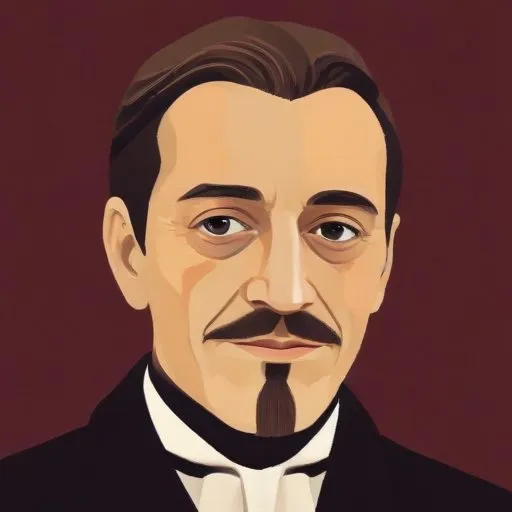
Henri Herz

Henri Herz

Henri Herz was born on January 6th, 1803

Full Name: Henri Herz
Nationality: Austrian
Profession: Pianist, composer
Instrument: Piano
Music genre: Classical music
Occupation: Musician
Field: Music
Role: Composer, pianist

A virtuosic pianist and composer, renowned for his technically demanding and melodically rich compositions, particularly his numerous piano etudes and operas.

Written by: Carlos Hernandez Carlos Hernandez

A Life of Musical Excellence and Innovation

Henri Herz was a renowned Austrian-born French pianist, composer, and piano manufacturer, known for his exceptional skill and innovative contributions to the world of music. Among his many notable achievements, Herz was a professor at the prestigious Paris Conservatoire for over thirty years, and left behind a legacy of eight piano concertos, a piano sonata, and numerous other works.

Early Life and Education

Born Heinrich Herz on January 6, 1803, in Vienna, Herz was a Jewish child prodigy who began studying music with his father at a young age. He later continued his studies in Koblenz with organist Daniel Htünten, father of composer Franz Htünten. In 1816, Herz entered the Conservatoire de Paris, where he studied piano with Louis-Barthélemy Pradher, harmony with Victor Dourlen, and composition with Anton Reicha. He won first prize in piano in 1818, marking the beginning of his illustrious career.

Performance and Composition Career

Herz's style of playing was heavily influenced by Ignaz Moscheles, and he went on to become a celebrated performer in his own right. Along with violinist Charles Philippe Lafont, Herz embarked on extensive concert tours throughout Germany and England, earning widespread acclaim. His compositions include eight piano concertos, a piano sonata, rondos, nocturnes, waltzes, marches, fantasias, and numerous sets of variations.

Piano Manufacturing and Innovation

In 1825, Herz joined the piano workshop of Henri Klepfer et cie as a partner, but the partnership proved unsuccessful. Undeterred, Herz founded his own piano factory in 1839, which went on to become one of the three most important factories in France, alongside Erard and Pleyel. Herz's innovations in piano design and manufacturing included the development of a multilayered hammer, which significantly improved the sound quality of his instruments. His factory was awarded the Médaille d'honneur for Pianos d'une sonorité très remarquable at the Paris World's Fair in 1855.

Legacy and Impact

Throughout his life, Herz was recognized for his contributions to music and piano manufacturing. He was awarded numerous honors and was highly respected by his contemporaries. Herz's legacy extends beyond his own music and innovations, as he played a significant role in shaping the development of piano manufacturing and music education in France. Today, he is remembered as one of the most important figures in the history of piano music.

Notable Works

Trivia and Fun Facts

Conclusion

Henri Herz was a true virtuoso, whose exceptional talent and innovative spirit left an indelible mark on the world of music. As a pianist, composer, and piano manufacturer, Herz's contributions continue to inspire and influence generations of musicians and music lovers. His legacy serves as a testament to the power of dedication, hard work, and innovation, and cements his place as one of the most important figures in the history of piano music.
Timeline
1803
Born in Vienna
Henri Herz was born on January 6, 1803, in Vienna, Austria.
1821
Debuts as pianist
Herz made his debut as a pianist in Vienna, beginning a successful career as a performer.
1831
Moves to Paris
Herz moved to Paris, where he became a prominent figure in the citys musical scene.
1888
Dies in Paris
Henri Herz died on January 5, 1888, in Paris, France.
1840
Composes piano music
Herz began composing piano music, which was widely performed and admired during his lifetime.
Henri Herz

Henri Herz Quiz

What type of compositions is Henri Herz particularly renowned for?

Score: 0/5
FAQ
What was Henri Herzs most notable contribution to music?
Henri Herzs most notable contribution to music was his development of the concert étude, a genre of virtuosic piano music that emphasized technical skill and expressive playing.
How did Henri Herzs piano performances shape the Romantic movement?
Henri Herzs piano performances helped to popularize the Romantic style of music, characterized by emotional intensity, technical virtuosity, and expressive freedom.
What were Henri Herzs most famous compositions?
Henri Herzs most famous compositions include his eight piano concertos, his sets of variations, and his solo piano works, such as the Rondo Espagnol.
How did Henri Herzs teaching influence later pianists?
Henri Herzs teaching influenced a generation of pianists, including Franz Liszt, who studied with him in Paris. Herzs emphasis on technical mastery and expressive playing helped to shape the development of pianistic technique.
What was Henri Herzs legacy in the history of piano music?
Henri Herzs legacy in the history of piano music is that of a virtuosic performer, composer, and teacher who helped to shape the development of Romantic piano music and raise the profile of the piano as a concert instrument.

Related People:

Franz Liszt

Born in 1811

A virtuosic pianist and composer who revolutionized classical music with his technically demanding and emotionally expressive works, blending Hungarian folk influences with Romantic-era drama.

Sigismond Thalberg

Born in 1812

A virtuosic pianist and composer, known for his technically demanding and expressive performances, particularly in the Romantic era. He was a prominent figure in the development of opera and concert music.

Adolphe Adam

Born in 1803

A French Romantic-era composer and music critic, known for his operas and ballets, particularly the music for "Giselle", which remains a cornerstone of the classical ballet repertoire.

Ambroise Thomas

Born in 1811

A French Romantic-era composer, he wrote operas that blended lyricism and drama, including the famous "Mignon" and "Hamlet", which are still performed today.

Charles Gounod

Born in 1818

A French Romantic-era composer and educator, renowned for his operas, particularly "Faust," which remains a staple of the operatic repertoire. His music is characterized by lyricism and dramatic flair.

Giuseppe Verdi

Born in 1813

A renowned composer of iconic operas like La Traviata and Aida, known for his masterful blending of drama and music. His works continue to captivate audiences worldwide.

Jacques Offenbach

Born in 1819

A 19th-century cellist and composer who created over 100 operas, including the famous "Orpheus in the Underworld," which popularized the can-can dance. He's known for his witty, satirical, and romantic music.

Hector Berlioz

Born in 1803

A French Romantic-era mastermind who composed iconic symphonies, operas, and orchestral works, revolutionizing classical music with his bold, expressive style.