


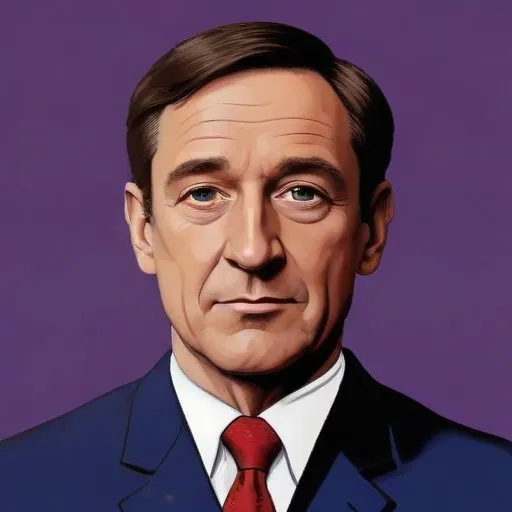
Australian-New Zealand engineer and politician who served as Prime Minister of New Zealand, known for his contributions to the country's infrastructure development and wartime leadership.
Hugh Watt, a stalwart of New Zealand's Labour Party, is most famously recognized for his brief yet pivotal tenure as the acting Prime Minister of New Zealand in 1974, following the sudden demise of Prime Minister Norman Kirk. During this critical period, Watt navigated the country through a tumultuous time, showcasing his remarkable leadership skills.
Born in Perth, Western Australia, on March 19, 1912, Hugh Watt's life took a dramatic turn when his family emigrated to New Zealand in 1914, settling in Auckland. His father, William Watt, a mining engineer, had lost an arm in Australia and took up a position as a watchman at the Auckland Harbour Board. Young Hugh attended Remuera Primary School, where his headmaster was Sir Leslie Munro's father.
Watt's academic pursuits continued at Seddon Memorial Technical College, where he studied engineering and developed a passion for senior grade rugby, playing for the Tech Old Boys club. He later became an apprentice engineer and joined the Engineers Union, remaining a member for 16 years.
After establishing his own engineering business, Hugh Watt & Coy Ltd, in 1947, Watt fostered a successful career as an entrepreneur, balancing his professional life with a budding interest in politics. He continued to run his business while serving as a minister, eventually accepting a doctor's advice to reduce his workload in 1969.
In 1972, Watt became the fifth Deputy Prime Minister of New Zealand, marking a significant milestone in his political career. Following Prime Minister Norman Kirk's sudden passing on August 31, 1974, Watt assumed the role of acting Prime Minister, serving until September 6, 1974.
This brief yet significant period showcased Watt's leadership acumen, stability, and vision, earning him the respect of his peers and the nation. He went on to serve as the High Commissioner to the United Kingdom, further cementing his diplomatic prowess.
Hugh Watt's personal life was marked by two marriages, first to Alice Merry Fowke from 1935 to 1965, and then to Irene Frances Ray from 1968. He had two sons and two daughters with his first wife.
Throughout his life, Watt remained committed to his country and his people, leaving behind a legacy of dedication, hard work, and selfless service. His remarkable story serves as an inspiration to future generations, a testament to the power of perseverance and leadership.
Today, Hugh Watt's remarkable journey serves as a beacon of hope and inspiration, reminding us of the significance of dedicated leadership, perseverance, and public service.
Born in 1904
A farmer-turned-politician who served as Prime Minister of New Zealand, known for his leadership during a period of significant economic and social change. He's remembered for his pragmatic and consensus-driven approach to governance.
Born in 1882
A lawyer-turned-politician who served as New Zealand's Prime Minister, implementing significant economic and social reforms, including the establishment of the country's welfare state.
Born in 1893
Led the country through a period of significant economic growth and social change, implementing policies that shaped modern New Zealand. He's remembered for his strong leadership and nation-building efforts.
Born in 1923
A pioneering leader who championed social justice and environmental causes, serving as New Zealand's Prime Minister from 1972 to 1974. He's revered for his progressive policies and commitment to Maori rights.
98 Years Old
The 30th Prime Minister of New Zealand, serving from 1974 to 1975, known for his brief but significant tenure during a time of economic crisis and social change.
74 Years Old
A renowned cancer researcher and professor who made significant contributions to the understanding and treatment of cancer, particularly in the field of p53 tumor suppressor gene.
84 Years Old
The 33rd Prime Minister of New Zealand, serving from 1989 to 1990, known for his leadership during a period of significant economic and social reform in the country. He played a crucial role in shaping New Zealand's modern economy and society.
77 Years Old
Leader of the New Zealand Labour Party, serving as Prime Minister from 1990 to 1991, known for his strong union background and advocacy for workers' rights.
