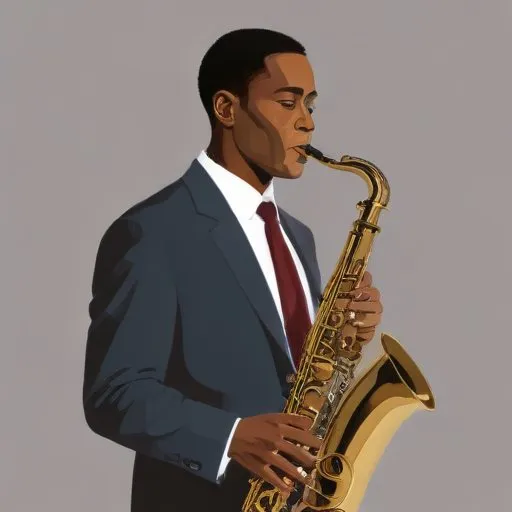
Ike Quebec: The Tenor Saxophonist Who Breathed Life into Jazz
Ike Quebec was a renowned American jazz tenor saxophonist, celebrated for his distinctive, breathy sound and versatility in playing downhome blues, sexy ballads, and uptempo aggression. With a career spanning over two decades, Quebec left an indelible mark on the jazz scene, earning recognition as one of the genre's most consistent and talented saxophonists.
A Promising Start and Early Collaborations
Born on August 17, 1918, in Newark, New Jersey, Quebec began his musical journey as an accomplished dancer and pianist. He switched to the tenor saxophone in his early twenties, quickly earning a reputation as a promising player. His recording career commenced in 1940 with the Barons of Rhythm, and soon he was performing and recording with jazz luminaries such as Frankie Newton, Hot Lips Page,
Roy Eldridge, and Trummy Young.
A Talent Scout and Prolific Recording Artist
Quebec's association with the Blue Note label began in the 1940s, and he went on to record numerous albums for the label. In addition to his own music, he served as a talent scout, helping pianists
Thelonious Monk and
Bud Powell gain wider recognition. His exceptional sight-reading skills also made him an uncredited impromptu arranger for many Blue Note sessions.
Struggles and Comeback
Despite his talents, Quebec's career was marred by struggles with heroin addiction and the declining popularity of big bands. As a result, his recording output slowed down significantly in the 1950s, although he continued to perform regularly. However, Quebec remained committed to his craft, incorporating elements of hard bop, bossa nova, and soul jazz into his later work.
A Triumphant Comeback and Legacy
In 1959, Quebec launched a comeback of sorts, releasing a series of albums on the Blue Note label. The success of these albums, coupled with his earlier work, cemented his status as a jazz legend. Quebec's music continues to influence generations of jazz musicians, and his unique sound remains a benchmark for tenor saxophonists.
Personal Milestones and Key Life Events
- Quebec was born on August 17, 1918, in Newark, New Jersey.
- He began his musical career as a dancer and pianist before switching to the tenor saxophone.
- Quebec worked intermittently with Cab Calloway between 1944 and 1951.
- He struggled with heroin addiction, which affected his career in the 1950s.
- Quebec launched a successful comeback in 1959 with a series of albums on the Blue Note label.
- He passed away on January 16, 1963, leaving behind a rich musical legacy.
Impact and Influence
Ike Quebec's contributions to jazz are immeasurable. His music has inspired countless musicians, and his playing style continues to be studied and emulated. Quebec's legacy extends beyond his own music, as he played a crucial role in helping other jazz greats gain recognition. His story serves as a testament to the power of perseverance and dedication to one's craft.
FAQ
Who was Ike Quebec?
Ike Quebec was an American saxophonist and pianist who was active in the jazz scene from the 1940s to the 1960s.
What was Ike Quebecs style of music?
Ike Quebec played a style of jazz that blended swing, bebop, and rhythm and blues, often with a distinctly bluesy tone.
Did Ike Quebec have a notable musical partnership?
Ike Quebec had a notable partnership with pianist and composer Benny Golson, with whom he recorded several albums.
What was Ike Quebecs significance in jazz history?
Ike Quebec was an influential figure in the development of modern jazz, particularly in the areas of saxophone technique and blues-based improvisation.
How did Ike Quebec die?
Ike Quebec died in 1963 at the age of 44 due to lung cancer.