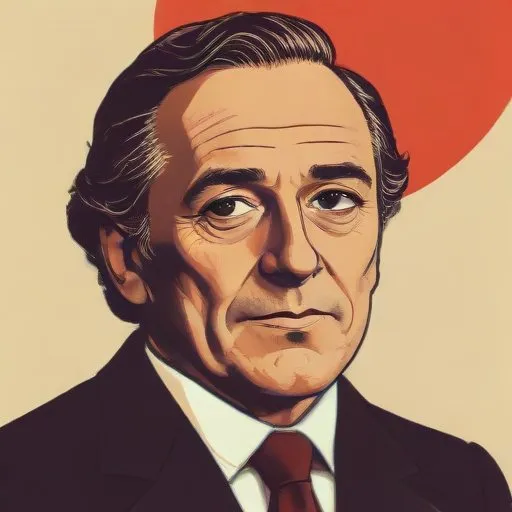
Ildebrando Pizzetti: The Renowned Italian Composer and Musicologist
A Pioneer of Classical Music
Ildebrando Pizzetti was a celebrated Italian composer of classical music, musicologist, and music critic, known for his instrumental and a cappella contributions to the world of music. Born in 1880, Pizzetti was part of the Generation of 1880, a group of pioneering composers who revitalized Italy's rich musical heritage.
Early Life and Education
Pizzetti was born in Parma, Italy, to Odoardo Pizzetti, a pianist and piano teacher who recognized his son's musical talent from an early age. Initially, Pizzetti seemed destined for a career in playwriting, having written several plays before deciding to pursue music in 1895. He enrolled in the Parma Conservatory, where he studied under Giovanni Tebaldini, gaining a deep appreciation for early Italian music that would shape his compositions.
Career Highlights and Major Works
Pizzetti's teaching career spanned multiple institutions, including the Florence Conservatory (director from 1917 to 1923), the Milan Conservatory (director from 1923), and the National Academy of St. Cecilia in Rome (director from 1936 to 1958). During this period, he nurtured the talents of prominent students such as
Mario Castelnuovo-Tedesco, Olga Rudge, and Franco Donatoni. As a composer, Pizzetti's works reflected his fascination with early Italian music, with notable pieces including his incidental music for poet and playwright
Gabriele d'Annunzio's plays.
Philosophical Contributions and Beliefs
Pizzetti was heavily influenced by d'Annunzio's dark neoclassic themes, which resonated with his own artistic vision. His music often explored the intersection of ancient and modern styles, resulting in a unique sound that echoed Italy's rich cultural heritage. As a music critic, Pizzetti co-founded a musical journal and authored several books on Italian and Greek music, cementing his position as a leading authority in the field.
Personal Milestones and Key Life Events
- 1895: Pizzetti decides to pursue a career in music, enrolling in the Parma Conservatory.
- 1917: Appointed director of the Florence Conservatory.
- 1923: Becomes director of the Milan Conservatory.
- 1925: Signs the Manifesto of the Fascist Intellectuals, publicly endorsing the fascist ideology.
- 1936: Appointed director of the National Academy of St. Cecilia in Rome.
Historical Context and Legacy
Pizzetti's contributions to Italian classical music cannot be overstated. As a composer, musicologist, and critic, he played a pivotal role in revitalizing Italy's instrumental and a cappella traditions, paving the way for future generations of composers. His teachings and writings helped shape the country's musical identity, earning him a revered place in Italy's cultural heritage.
Trivia and Fun Facts
- Pizzetti was a prolific writer, authoring multiple books on music and co-founding a musical journal.
- He was a strong supporter of fascism, publicly endorsing the ideology in 1925.
By exploring the life and works of Ildebrando Pizzetti, we gain insight into the rich cultural tapestry of Italy's classical music scene during the late 19th and early 20th centuries. As a pioneering composer, musicologist, and critic, Pizzetti's legacy continues to resonate with audiences today, solidifying his place as one of Italy's most celebrated musical minds.
FAQ
What is Ildebrando Pizzettis most famous composition?
Ildebrando Pizzettis most famous composition is the opera Fedra, which premiered in 1915 and is considered a masterpiece of Italian opera.
What was Ildebrando Pizzettis role in Italian music?
Ildebrando Pizzetti was a leading figure in Italian music during the early 20th century. He was a composer, musicologist, and critic who helped to promote Italian opera and classical music.
Where did Ildebrando Pizzetti study music?
Ildebrando Pizzetti studied music at the Milan Conservatory, where he was trained by some of Italys leading composers and musicians.
What other notable compositions did Ildebrando Pizzetti write?
Ildebrando Pizzetti wrote several other notable compositions, including the opera Dèbora e Jaéle and the symphonic poem Cantico dei cantici. He also composed music for films and ballets.
What awards did Ildebrando Pizzetti receive for his music?
Ildebrando Pizzetti received several awards and honors for his music, including the Gershwin Prize and the Italian Music Critics Award.