


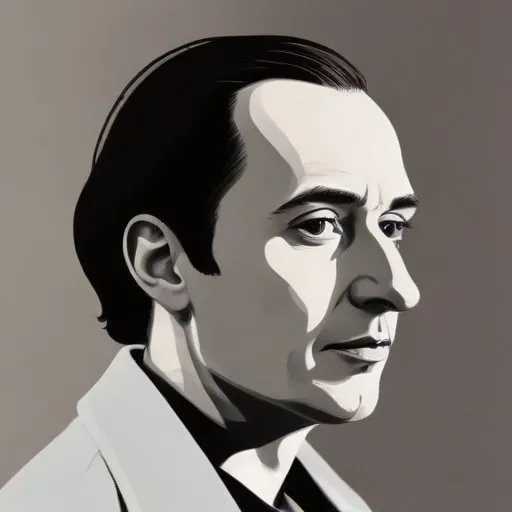
A renowned poet and author of children's literature, known for his imaginative and humorous works that have captivated generations of readers. His poetry and stories are still widely popular and influential in Polish culture today.
Jan Brzechwa, a renowned Polish poet, author, and lawyer, is best known for his immense contribution to children's literature, leaving an indelible mark on the literary world. His imaginative and melodic style of poetry has captivated the hearts of readers, young and old, for generations to come.
Born on August 15, 1898, in Żmerynka, Podolia (now Ukraine), Jan Brzechwa was raised in a Polish family of Jewish descent. His father, a railway engineer, took Jan on extensive travels across Eastern Poland, exposing him to the rich cultural heritage of the region. Jan's educational pursuits led him to the Jesuit college in Chyrów (now Khyriv, Ukraine) and later to the Warsaw University, where he graduated from the School of Law.
Brzechwa's writing debut took place in 1920, as he began publishing in various humor magazines. His talent flourished, and he went on to become a celebrated poet, penning works that continue to enthrall audiences. His literary pseudonym, "Brzechwa," means "fletching the tail section of an arrow," reflecting his sharp wit and lyrical precision.
Brzechwa's poetry is characterized by its melodic, 8-syllable accentual verse style, making him a master of Polish rhythmic structures. His works for children, such as Tacowaa iga z nitk (Danced the needle with the thread, 1937), have become classics of Polish children's literature. One of his most beloved creations is the poem Chrzszcz (The Beetle), a timeless tale that has been passed down through generations.
In his personal life, Brzechwa was a devoted husband and father. He married three times, first to Maria Sunderland, his first cousin once removed, and later to Karolina Lentowa and Janina Magajewska. His daughter from his first marriage, Krystyna (born 1928), is a talented painter.
Jan Brzechwa's remarkable body of work has left an indelible mark on Polish literature. His poems and stories have inspired countless readers, fostering a love for reading and imagination. His legacy continues to inspire new generations of writers, poets, and readers alike, solidifying his position as a titan of Polish children's literature.
In recognition of his outstanding contributions to literature, Brzechwa received numerous accolades and honors. His dedication to the craft has earned him a place in the annals of Polish literary history, ensuring his work will continue to captivate and inspire readers for generations to come.
Jan Brzechwa's remarkable life, poetry, and contributions have cemented his status as a Polish literary legend. His work continues to enchant readers, inspiring a love for literature and imagination that will be cherished for generations to come.
Born in 1809
A leading figure of the Polish Romantic movement, known for his poetic and theatrical works that explored themes of love, freedom, and national identity. His plays and poems are still widely performed and studied in Poland today.
Born in 1798
A national hero in Poland, celebrated for his romantic poetry and plays that ignited a sense of patriotism and freedom during a time of foreign rule. His works are still widely read and performed today.
Born in 1869
A Polish Renaissance man who excelled in poetry, playwriting, and painting, creating iconic works that merged folk motifs with modernist styles. His innovative art and literature continue to inspire Polish culture.
Born in 1847
A pioneering journalist and author who explored social issues and championed realism in Polish literature, leaving a lasting impact on the country's literary scene.
Born in 1846
A Polish journalist and author who wrote epic historical novels, including "Quo Vadis", which won him the Nobel Prize in Literature in 1905. His works are known for their vivid storytelling and historical accuracy.
Born in 1867
A Polish novelist who won the Nobel Prize in Literature in 1924 for his novel "Ch?opi" (The Peasants), a realistic depiction of rural life in Poland. He's known for his detailed and nuanced portrayals of Polish society and culture.
Born in 1894
A renowned Polish literary figure, celebrated for his innovative and humorous poetry, plays, and theatrical direction, which continue to inspire and entertain audiences.
