


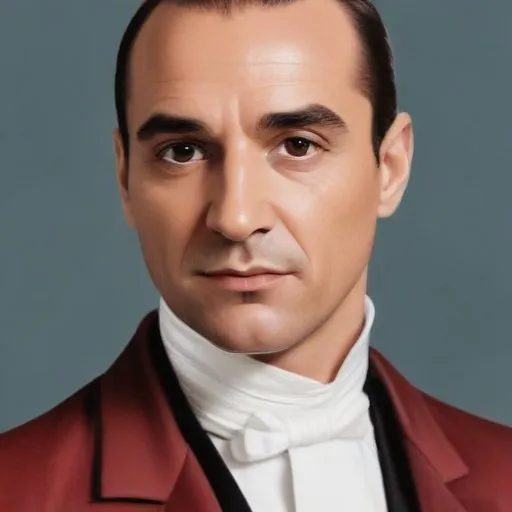
A pioneer of modern ballet, he revolutionized the art form by introducing dramatic expression and storytelling, creating a new language of movement.
Jean-Georges Noverre, a French dancer and ballet master, is renowned for creating ballet d'action, a precursor to the narrative ballets of the 19th century. His groundbreaking work revolutionized the art of ballet, shifting the focus from elaborate costumes and scenery to the physical and emotional expression of dancers.
Born on April 29, 1727, Noverre began his professional career as a young dancer in Paris at the Opéra-Comique. He later performed in Fontainebleau, Berlin, Dresden, and Strasbourg, where he developed his skills and gained recognition.
In 1751, Noverre composed his first major work, Les Fêtes Chinoises, which premiered in Marseilles and was later revived in Paris to great acclaim. This success earned him an invitation to London, where he worked with David Garrick for two years.
Between 1758 and 1760, Noverre produced several notable ballets in Lyon and published his seminal work, Lettres sur la danse et les ballets. This treatise outlined his vision for a more expressive and dramatic ballet, paving the way for his revolutionary contributions to the art form.
Noverre's talents soon caught the attention of European royalty. He was engaged by Duke Karl Eugen of Württemberg and later by Austrian Empress Maria Theresa, for whom he worked until 1774. In 1776, he was appointed maître des ballets of the Paris Opera at the request of Queen Marie Antoinette.
Noverre's circle of friends and admirers included Voltaire, Mozart, Frederick the Great, and David Garrick, who praised him as the "Shakespeare of the dance."
Noverre was particularly proud of his ballets La Toilette de Vénus, Les Jalousies du sérail, L'Amour corsaire, and Le Jaloux sans rival. His written works include Observations sur la construction d'une nouvelle salle d'opéra, a treatise on ballet and opera production.
Noverre's legacy extends far beyond his own creations. He is celebrated as the creator of ballet d'action, a style that emphasized dramatic storytelling and emotional expression through dance. His birthday, April 29, is now observed as International Dance Day.
After the French Revolution, Noverre's fortunes declined, and he faced poverty and hardship. Despite these challenges, he continued to work on his craft, leaving behind a rich legacy that would inspire generations of dancers and choreographers.
Jean-Georges Noverre passed away on October 19, 1810, at Saint-Germain-en-Laye, but his impact on the world of ballet remains unparalleled.
Born in 1683
A prominent figure in the Baroque period, this composer and theorist revolutionized Western classical music with innovative harmonies and treatises on music theory, shaping the course of classical music.
Born in 1632
A 17th-century mastermind who revolutionized French opera, creating lavish productions that captivated the royal court and beyond. He's credited with establishing the French opera tradition.
Born in 1622
A 17th-century master of comedy, he penned witty plays that satirized the French aristocracy, leaving a lasting impact on Western theater. His works remain widely performed and adapted today.
Born in 1606
A 17th-century French mastermind behind iconic plays like "Le Cid" and "Horace", known for pioneering the classical French tragedy genre.
Born in 1694
A witty and insightful 18th-century writer and philosopher who used satire to critique societal norms and advocate for reason, tolerance, and human rights.
Born in 1732
A prolific Rococo painter and etcher, renowned for his delicate, whimsical, and often erotic works that capture the carefree spirit of 18th-century French aristocracy. His art often featured lush landscapes, gentle colors, and playful scenes of love and leisure.
Born in 1703
A prominent artist of the Rococo style, known for his delicate and ornate paintings, often depicting mythological and pastoral scenes, as well as designing sets for the Paris Opera.
