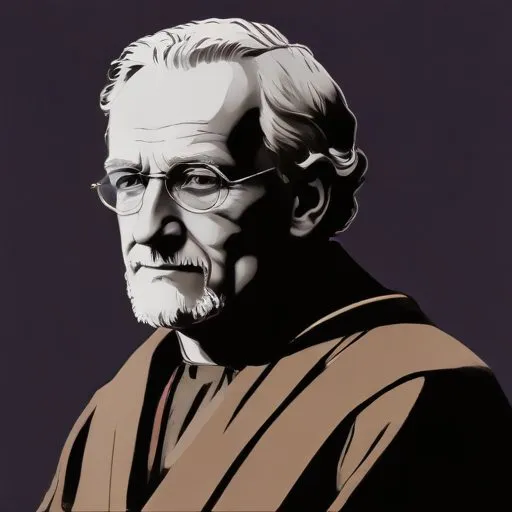
Joseph Jacotot: The Pioneer of Intellectual Emancipation
A Revolutionary Approach to Education
Joseph Jacotot, a French teacher and educational philosopher, is renowned for creating the method of intellectual emancipation, a groundbreaking approach to education that emphasizes individual autonomy and self-directed learning. This innovative method, which Jacotot developed in the early 19th century, aimed to liberate students from the constraints of traditional teaching methods and empower them to take control of their own intellectual development.
Early Life and Career
Born on March 4, 1770, in Dijon, France, Jacotot was educated at the University of Dijon, where he became a professor of Latin at the age of 19. He later studied law and mathematics, developing a passion for the latter, which would influence his educational philosophies.
From Revolution to Education
In 1788, Jacotot organized a federation of the youth of Dijon to defend the principles of the French Revolution. He later participated in the campaign of Belgium, where he demonstrated bravery and distinction, earning the rank of captain. After the Revolution, Jacotot became deputy director of the École Polytechnique and later taught at the University of Dijon, where he began experimenting with his emancipatory method of teaching.
The Emancipatory Method
Jacotot's method, also known as the "panecastic" or "everything in each" approach, is based on three fundamental principles:
- All men have equal intelligence.
- Every man has received from nature the faculty of judging and reasoning.
- The same method that is suited to one is suited to all.
This approach focuses on encouraging students to think critically and independently, rather than relying on rote memorization and external authority. Jacotot believed that by providing students with the freedom to explore and discover knowledge on their own, they would develop a deeper understanding and appreciation of the subject matter.
Exile and International Recognition
After the fall of Napoleon, Jacotot was forced into exile in Brussels, where he continued to develop and refine his educational principles. His method gained popularity not only in Belgium but also in France, England, Germany, and Russia, earning him international recognition as a pioneer in educational philosophy.
Legacy and Influence
Jacotot's emancipatory method has had a lasting impact on education, influencing prominent thinkers such as
Leo Tolstoy and
Pierre-Joseph Proudhon. His ideas on intellectual autonomy and self-directed learning continue to inspire educators and philosophers today, making him a true pioneer in the field of education.
Quotes and Memorable Sayings
- "The only thing I ask of my students is that they should not be satisfied with what I teach them."
- "The goal of education is not to impart knowledge, but to liberate the mind."
Conclusion
Joseph Jacotot's revolutionary approach to education has left an indelible mark on the world of education. By empowering students to take control of their own intellectual development, he has inspired generations of thinkers and educators to rethink the way we learn. As a true pioneer in intellectual emancipation, Jacotot's legacy continues to shape the future of education.
FAQ
What was Joseph Jacotots contribution to education?
Joseph Jacotot was a French philosopher and educator who made significant contributions to the development of education. He is best known for his advocacy of universal teaching, which emphasized the importance of self-directed learning and the role of the teacher as a facilitator rather than an authority figure.
What were Joseph Jacotots views on teaching and learning?
Joseph Jacotot believed that all individuals had the capacity to learn and that teachers should facilitate this process rather than imposing their own knowledge on students. He advocated for a student-centered approach to education, which emphasized active learning and critical thinking.
What was Joseph Jacotots role in the development of the universal method?
Joseph Jacotot developed the universal method, which was a teaching approach that emphasized the use of visual aids, hands-on activities, and self-directed learning. This approach was designed to be adaptable to different subjects and age groups, and was widely adopted in France and other countries.
How did Joseph Jacotots ideas influence education?
Joseph Jacotots ideas had a significant impact on education, particularly in France and other European countries. His emphasis on student-centered learning, active learning, and critical thinking helped to shape educational theory and practice in the 19th and 20th centuries.
Is Joseph Jacotots work still relevant today?
Yes, Joseph Jacotots work is still relevant today. His ideas about student-centered learning, active learning, and critical thinking continue to influence educational theory and practice, and his advocacy for universal education remains an important part of the global education agenda.