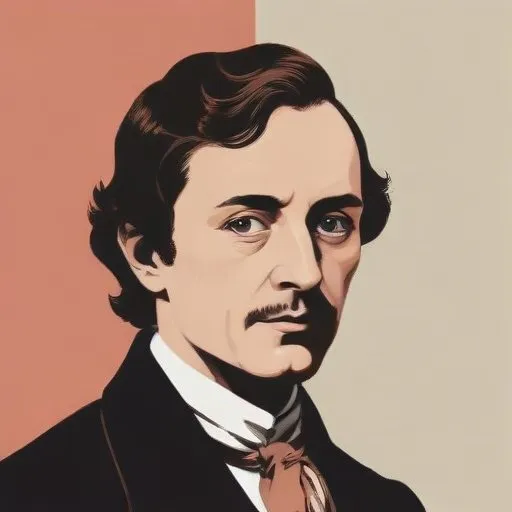
Leigh Hunt: The Visionary Critic, Essayist, and Poet
A Legacy of Radical Principles and Literary Innovation
Leigh Hunt, a trailblazing English critic, essayist, and poet, left an indelible mark on the literary landscape of the 19th century. As the co-founder of _The Examiner_, a leading intellectual journal, Hunt championed radical principles, fostering a platform for avant-garde ideas and nurturing the careers of prominent writers.
A Life of Literary Pursuits
Born on October 19, 1784, in Southgate, London, Hunt's early life was marked by his family's Loyalist sympathies during the American War of Independence. His father, Isaac, a lawyer from Philadelphia, and his mother, Mary Shewell, a devout Quaker, instilled in him a love for literature and a strong sense of morality.
Education and Early Influences
Hunt's education at Christ's Hospital in London (1791-1799) laid the foundation for his literary ambitions. He drew inspiration from
Thomas Gray and William Collins, writing verses in their style. A speech impediment, later cured, prevented him from attending university, but he continued to write, eventually publishing his first poems in 1801 under the title _Juvenilia_.
Professional Career and Notable Associations
As a prominent figure in London's literary circle, Hunt's contributions to _The Examiner_ (1808-1821) helped shape public opinion and introduce new talent. He befriended and promoted the works of notable writers, including:
The Hunt Circle and Its Lasting Impact
The Hampstead-based group, known as the Hunt circle, fostered a spirit of collaboration and creative experimentation. This gathering of visionary minds not only influenced the development of English literature but also left a lasting impact on modern society.
Controversies and Public Perception
Hunt's unapologetic advocacy for radical ideas and his involvement in several high-profile controversies, including a libel suit against the Prince Regent, earned him both admiration and criticism. His presence at Shelley's funeral, immortalized in Louis Édouard Fournier's painting, exemplifies his defiance of convention.
Legacy and Influence
Hunt's trailblazing spirit and dedication to promoting new talent have inspired generations of writers and critics. His influence can be seen in the works of
Charles Dickens, who drew inspiration from Hunt's character for the Harold Skimpole in _Bleak House_. Today, Hunt's contributions to literary history remain a testament to the power of innovation and creative vision.
Personal Quotes and Aphorisms
- "The groundwork of all happiness is health."
- "The finest inheritance you can leave your children is a good example."
Historical Context and Cultural Significance
Leigh Hunt's life and work reflect the tumultuous spirit of the 19th century, marked by social change, political upheaval, and artistic innovation. As a cultural storyteller and writer, Hunt's legacy serves as a beacon, illuminating the paths of those who seek to challenge conventions and push the boundaries of human creativity.
Awards and Honors
- Christ's Hospital, London, has a boarding house named after Hunt.
Trivia and Fun Facts
- Hunt's first poems were published in 1801 under the title _Juvenilia_.
- He was a strong advocate for the abolition of slavery.
Conclusion
Leigh Hunt's remarkable life and work continue to inspire generations of writers, critics, and thinkers. As a visionary critic, essayist, and poet, Hunt's commitment to radical principles, literary innovation, and nurturing talent has left an indelible mark on the cultural landscape of the 19th century and beyond.
FAQ
What was Leigh Hunts role in the Romantic movement in English literature?
Leigh Hunt was a prominent figure in the Romantic movement in English literature, known for his poetry, criticism, and editorial work. He was a close friend and collaborator of prominent Romantic poets, including Lord Byron and Percy Bysshe Shelley.
How did Leigh Hunts poetry reflect his views on politics and society?
Leigh Hunts poetry often expressed his radical political views and socially conscious ideals. He wrote about topics such as poverty, inequality, and social justice, using his poetry as a means of social commentary.
What were Leigh Hunts most notable literary achievements?
Leigh Hunt was a prolific poet, critic, and editor, known for his lyrical poetry and his influential literary magazine, the Examiner. He also wrote several notable works of literary criticism, including his Autobiography.
How did Leigh Hunts circle of friends and acquaintances influence his work?
Leigh Hunts circle of friends and acquaintances, including Lord Byron, Percy Bysshe Shelley, and John Keats, had a profound influence on his work. He was part of a vibrant literary community that encouraged experimentation and innovation.
What legacy did Leigh Hunt leave in English literature?
Leigh Hunt is remembered as a significant figure in the Romantic movement in English literature, a poet, critic, and editor who helped shape the literary landscape of his time. His work continues to be studied and appreciated by scholars and readers today.