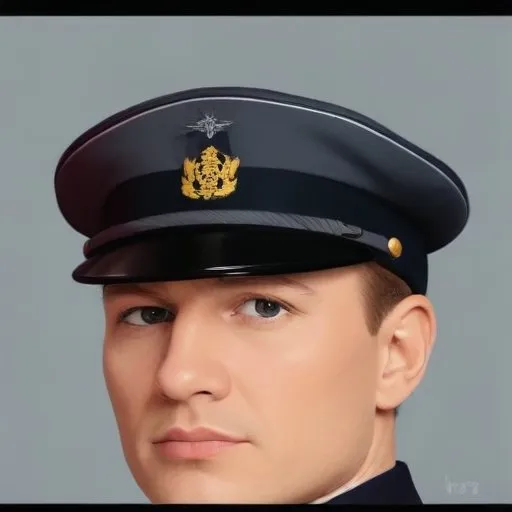
The Controversial Legacy of Lon Degrelle: A Belgian Politician and Nazi Collaborator
A Leading Figure in the Rexist Party and Waffen-SS
Lon Degrelle is known for being the leader of the Rexist Party, a Belgian fascist movement, and for his collaboration with Nazi Germany during World War II. As a prominent figure in the Waffen-SS, Degrelle fought on the Eastern Front and was decorated for his bravery, earning him the reputation as a model for foreign volunteers.
Early Life and Rise to Prominence
Born on June 15, 1906, in Bouillon, Belgium, Degrelle was raised in a Catholic family and became involved in politics through journalism during his university years. He took control of a Catholic publishing house, which eventually morphed into the Rexist Party under his leadership. The party contested the 1936 Belgian general election, winning 11% of the vote, but its popularity declined by the start of World War II.
Collaboration with Nazi Germany and War Efforts
As the war began, Degrelle started collaborating with Nazi Germany and was detained by Belgian and French authorities. After the German invasion of Belgium in 1940, he was released and transformed the Rexist Party into a mass movement to curry favor with the Nazis. In 1941, he organized and joined the Walloon Legion, a unit of the German Army, and later the Waffen-SS. Degrelle's performance in the Cherkassy pocket in 1944 earned him decorations and recognition as a model for foreign volunteers.
Post-War Life and Neo-Nazi Politics
Following the liberation of Belgium in 1944, Degrelle was stripped of his citizenship and sentenced to death in absentia. He fled to Spain, where he received help from the Spanish government and went into hiding from Belgian authorities in 1946. In the 1960s, Degrelle returned to public life as a neo-Nazi, gaining influence in far-right European circles. He published several books and papers glorifying the Nazi regime and denying the Holocaust.
Philosophical Contributions and Beliefs
Degrelle's beliefs were rooted in fascist and anti-Semitic ideologies. He glorified the Nazi regime and denied the Holocaust, promoting a distorted view of history. His writings and speeches reflected his admiration for
Adolf Hitler and the Nazi Party, which he saw as a model for his own political movement.
Influence on Modern Society and Legacy
Degrelle's legacy is marked by controversy and criticism. His collaboration with Nazi Germany and promotion of fascist ideologies have been widely condemned. However, his influence on far-right politics in Europe during the 1960s and 1970s is undeniable. His writings and speeches continue to be referenced by neo-Nazi groups, perpetuating harmful ideologies.
Quotes and Memorable Sayings
"One day, the new Europe will arise, and the fascist revolution will triumph."
Historical Context and Comparative Analysis
Degrelle's rise to prominence during the 1930s and 1940s can be seen as a response to the economic and political instability of the time. His fascist ideologies and anti-Semitic beliefs were not unique to him, but rather part of a broader movement that swept across Europe during the interwar period. Comparative analysis with contemporaries such as
Oswald Mosley and
Vidkun Quisling highlights the similarities and differences between fascist movements across Europe.
Personal Milestones and Key Life Events
- 1906: Born in Bouillon, Belgium
- 1930s: Became involved in politics through journalism
- 1936: Led the Rexist Party in the Belgian general election
- 1940: Collaborated with Nazi Germany and joined the Walloon Legion
- 1944: Fought in the Cherkassy pocket and earned decorations
- 1946: Fled to Spain and went into hiding from Belgian authorities
- 1960s: Returned to public life as a neo-Nazi
- 1994: Died in Málaga, Spain
Conclusion
Lon Degrelle's legacy is a complex and controversial one, marked by his collaboration with Nazi Germany and promotion of fascist ideologies. His influence on far-right politics in Europe is undeniable, but his beliefs and actions have been widely condemned. As we remember Degrelle's life and legacy, we must also acknowledge the harm caused by his ideologies and strive to promote tolerance, understanding, and inclusivity.
FAQ
What was Léon Degrelles role in World War II?
Léon Degrelle was a Belgian SS officer who fought on the Eastern Front during World War II, earning the Iron Cross for bravery.
What was Léon Degrelles ideology?
Léon Degrelle was a fascist and anti-Semitic, who believed in the superiority of the Aryan race and advocated for the establishment of a fascist regime in Belgium.
How did Léon Degrelle escape prosecution after the war?
Léon Degrelle escaped prosecution after the war by fleeing to Spain, where he was harbored by the Franco regime.
What was Léon Degrelles background and education?
Léon Degrelle was born in 1906 in Bouillon, Belgium. He studied law at the University of Louvain and later earned a degree in politics from the University of Brussels.
What was Léon Degrelles later life like?
Léon Degrelle lived in exile in Spain and Argentina, where he continued to promote fascist and anti-Semitic ideologies until his death in 1994.