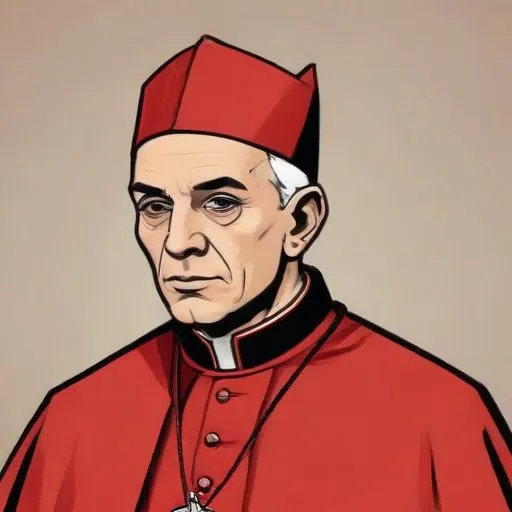
Lorenzo Pucci: The Italian Cardinal and Bishop Who Shaped the Renaissance
A Life of Devotion and Patronage
Lorenzo Pucci was an Italian cardinal and bishop from the esteemed Florentine Pucci family, known for his profound influence on the Renaissance era. As a prominent figure in the Catholic Church, Pucci played a pivotal role in shaping the artistic, cultural, and spiritual landscape of 16th-century Europe.
Early Life and Education
Born on August 18, 1458, in Florence, Italy, Pucci began his career as a professor of law at the prestigious Studio di Pisa. He later pursued a life of devotion, becoming a clergyman and rising through the ranks of the Catholic Church.
Rise to Prominence
Pucci's meteoric rise to prominence began when he was elected Bishop Coadjutor of Pistoia in 1509. He subsequently became the bishop-administrator of the diocese of Melfi from 1513 to 1528. His dedication and leadership skills caught the attention of
Pope Leo X, who appointed Pucci as his personal secretary and sent him on various ambassadorial missions, particularly to Florence.
A Patron of the Arts
As a patron of the arts, Pucci supported some of the most renowned artists of his time, including Michelangelo and Raphael. He also became the dedicatee of Erasmus' edition of the Works of St. Cyprian in 1520. His love for the arts and literature played a significant role in shaping the cultural identity of the Renaissance era.
Cardinal and Bishop
In 1513, Pope Leo X elevated Pucci to the rank of cardinal, with the titulus of Santi Quattro Coronati. He went on to serve as the bishop-administrator of various dioceses, including Vannes, Amalfi, Montefiascone, and Capaccio.
Challenges and Controversies
Pucci faced challenges during his tenure, including accusations of fraud in connection with the sale of indulgences under
Pope Adrian VI. However, thanks to the intercession of Cardinal Giulio Medici, he escaped punishment. Later, as Pope
Clement VII's Major Penitentiary, Pucci navigated the tumultuous period of the War of the League of Cognac and the subsequent rapprochement between Clement VII and Charles V.
Legacy
Lorenzo Pucci's remarkable life was marked by his devotion to the Catholic Church, his patronage of the arts, and his significant contributions to the Renaissance era. Through his various roles, he left an indelible mark on the cultural, artistic, and spiritual landscape of his time. Today, he is remembered as a testament to the power of faith, leadership, and artistic expression.
Major Works and Appointments
- Bishop Coadjutor of Pistoia (1509)
- Bishop-Administrator of Melfi (1513-1528)
- Cardinal with the titulus of Santi Quattro Coronati (1513)
- Personal Secretary to Pope Leo X (1513)
- Bishop-Administrator of Vannes (1513-1514)
- Bishop-Administrator of Amalfi (1516-1519)
- Bishop-Administrator of Montefiascone (March-April 1519)
- Bishop-Administrator of Capaccio (September 1522-June 1523)
- Major Penitentiary (1520-1529)
Trivia and Fun Facts
- Pucci's brother, Roberto Pucci, and his nephew, Antonio Pucci, also became cardinals.
- He was known for his love of literature and poetry.
- Pucci played a key role in shaping the cultural identity of the Renaissance era.
FAQ
Who was Lorenzo Pucci?
Lorenzo Pucci was a Catholic cardinal and nephew of Pope Leo X. He lived in the 15th and 16th centuries and played a significant role in the Catholic Church during the Renaissance.
What was Lorenzo Puccis role in the Catholic Church?
Lorenzo Puccis role in the Catholic Church was significant, as he held various positions of power, including cardinal-bishop and Camerlengo. He was also a close advisor to Pope Leo X and Pope Clement VII.
What was Lorenzo Puccis relationship with the Medici family?
Lorenzo Puccis relationship with the Medici family was close, as he was a nephew of Pope Leo X, who was a member of the Medici family. He also supported the Medici familys interests and helped them maintain their power in Florence.
How did Lorenzo Pucci die?
Lorenzo Pucci died in 1531, reportedly due to illness. He was buried in the Pucci chapel in the Basilica of Santa Maria Novella in Florence.
What was Lorenzo Puccis legacy?
Lorenzo Puccis legacy was his significant role in the Catholic Church during the Renaissance, as well as his support for the Medici family. He is also remembered for his cultural patronage and his contributions to the artistic and architectural developments of the time.