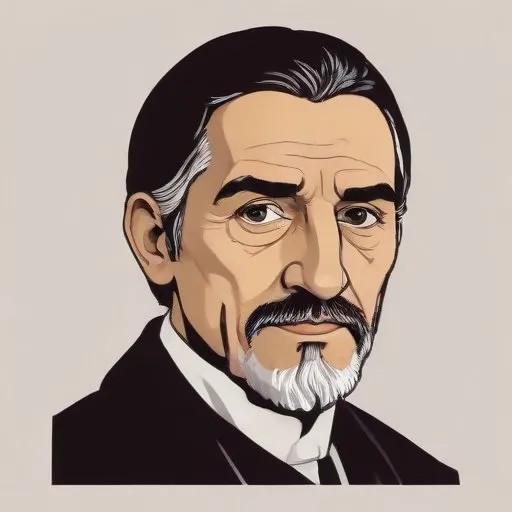
Paul Nizan: The Rebellious Philosopher-Warrior
A Life of Defiance and Literary Genius
Paul Nizan was a French philosopher and writer, known for his scathing critiques of authority and his unwavering commitment to the cause of social justice. Through his writings, he inspired generations of revolutionaries and intellectuals, leaving an indelible mark on modern thought and politics.
Early Life and Influences
Born on February 7, 1905, in Tours, Indre-et-Loire, Nizan came from a middle-class family. His father's journey through the French industrial bureaucracy would later influence his understanding of social alienation and inform his novel,
Antoine Bloye. Nizan's early years were marked by a strong sense of rebellion, which would become a defining characteristic of his life and work.
The Formation of a Radical Thinker
Nizan's intellectual development was deeply influenced by his friendship with
Jean-Paul Sartre, whom he met while studying at the Lyce Henri IV in Paris. This friendship would have a profound impact on both men, shaping their philosophical ideas and fueling their desire for social change.
Aden Arabie: A Journey of Self-Discovery
In 1926, Nizan interrupted his studies to work as a tutor in Aden, where he drew inspiration from his experiences and wrote his first novella,
Aden Arabie. This work, published in 1931, introduced Nizan to a wider audience and showcased his unique blend of literary style and radical politics.
The Communist Years
Nizan's association with the French Communist Party (PCF) was marked by his activism and writing for the party's journal. He even ran a party bookshop in Paris, further solidifying his commitment to the cause. However, the Molotov-Ribbentrop Pact in 1939 led to his resignation from the party, a decision that reflected his unwavering principles and independence.
Literary Contributions and Legacy
Nizan's works include novels like
Le Cheval de Troie and
La Conspiration, as well as essays like
Les Chiens de garde. His writing is characterized by its unflinching critique of authority, its emphasis on social justice, and its lyricism. The opening sentence of his novel
Aden Arabie, "I was twenty, I won't let anyone say those are the best years of your life," became a rallying cry for student protesters during the May 1968 uprising.
War andUltimate Sacrifice
Tragically, Nizan's life was cut short when he died fighting against the German army in the Battle of Dunkirk during World War II. His sacrifice serves as a testament to his unwavering commitment to the principles of freedom and justice.
Inspirational Quotes and Sayings
- "I was twenty, I won't let anyone say those are the best years of your life."
- "The only way to deal with an unfree world is to become so absolutely free that your very existence is an act of rebellion."
A Lasting Impact on Modern Society
Paul Nizan's life and work continue to inspire generations of thinkers, writers, and activists. His legacy serves as a beacon of hope for those seeking to challenge the status quo and create a more just and equitable world.
FAQ
What was Paul Nizans contribution to French philosophy?
Paul Nizan was a prominent French philosopher and author who made significant contributions to the development of existentialism and Marxism. His work focused on the intersection of philosophy and politics.
What is Paul Nizans most famous work?
Paul Nizans most famous work is Aden Arabie, a novel that explores the themes of colonialism and identity.
What was Paul Nizans role in the French Resistance?
Paul Nizan was a member of the French Resistance during World War II and played a key role in the fight against Nazi occupation.
What awards did Paul Nizan receive for his work?
Paul Nizan received numerous awards for his work, including the Prix Interallié in 1938.
What is Paul Nizans legacy in French philosophy?
Paul Nizans work has had a lasting impact on French philosophy, particularly in the areas of existentialism and Marxism. He is remembered as a pioneering figure in the development of modern French thought.